Mastering Online Marketing for Social Media Influencers: Business Edge in the Digital Era

Mastering Online Marketing for Social Media Influencers: Business Edge in the Digital Era

In the blossoming realm of digital marketing, the role of social media influencers has become integral in promoting brands. Their power in effectively reaching out to target audiences and generating conversions have helped countless startup businesses. If you own a small business looking to partner with these online celebrities, this post will give you insights on how to market your business through them effectively.

Understanding the Role of Social Media Influencers

Social media influencers have the credibility and the persona that attract massive numbers of followers. They have the capacity to affect purchase decisions due to their authority in a specific niche or through their relationship with their audience. Leverage this influence wisely and watch their followers become your potential customers.

Identifying the Right Influencer for Your Brand

The first step in marketing your product to influencers is identifying the right person to align with your brand. Look for influencers whose followers match your target market. It’s not always about the number, the qualitative aspect is equally vital. The influencer’s reputation, online behaviour, and authenticity should gel with your brand identity and value proposition.

Building Relationships with Your Chosen Influencer

Marketing is largely about relationships. Develop a business relationship with your chosen influencer by understanding their style, respecting their space, and valuing their work. Involve them part of your product development process or invite them to events. In this way, influencers would feel they belong to your brand; making the promotion more natural and authentic.

Crafting an Influencer Marketing Campaign

Design a marketing campaign that can maximize the potential of influencers. This can be in the form of giveaways, promotional codes, sponsored posts, product reviews, or collaborative content. It is essential to make sure this campaign is a holistic part of your overall marketing strategy.

Tracking and Measuring Campaign Success

Maximize analytics tools such as Google Analytics or Instagram’s insights to see how your influencer-driven campaign is performing. Track metrics like reach, engagement, conversions, click-through rates, and others to assess performance. Use these measurements to fine-tune your future influencer campaigns, making sure each marketing effort, and dollar spent, counts.

The Potency of Sustainability

Brands often mistake influencer marketing as a one-and-done tactic. On the contrary, the best way to market to influencers and their audience is by fostering sustainable methods. Long-term relationships will keep your brand relevant, as well as get you higher chances of repeat purchases. It also makes your brand look credible, human, and worth the investment to the influencers’ followers.

Conclusion

Online marketing through social media influencers is a complex but rewarding aspect of digital marketing. Startup businesses that manage to harness this potential are in for a great deal of visibility, web traffic, and, ultimately, sales conversions. After all, in this digital era, companies that master the art of engaging online communities often come out on top. Becoming a pro at marketing your business to the influencers will keep you on the edge and in front of your target market.

Ultimately, the success of influencer marketing lies in connecting your brand to the audience through these influencers. These tactics and strategies are only effective when genuine connections are drawn. Therefore, while it is necessary to view influencer marketing from a commercial perspective, let authenticity lead your entrepreneurial journey.
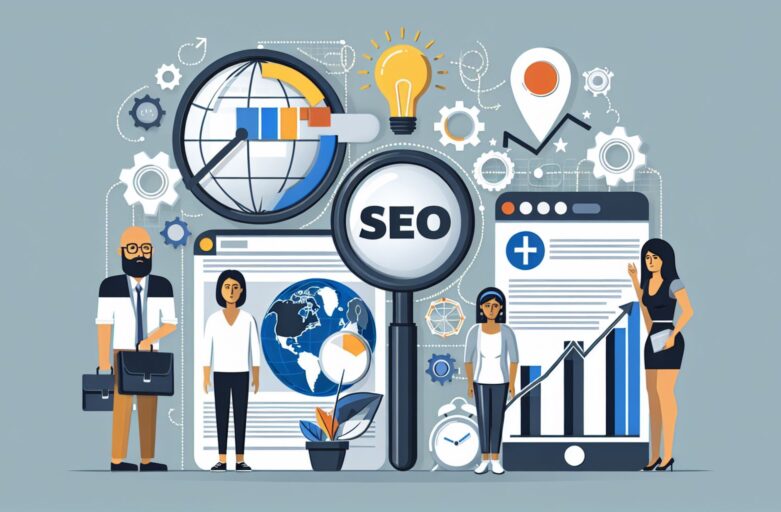

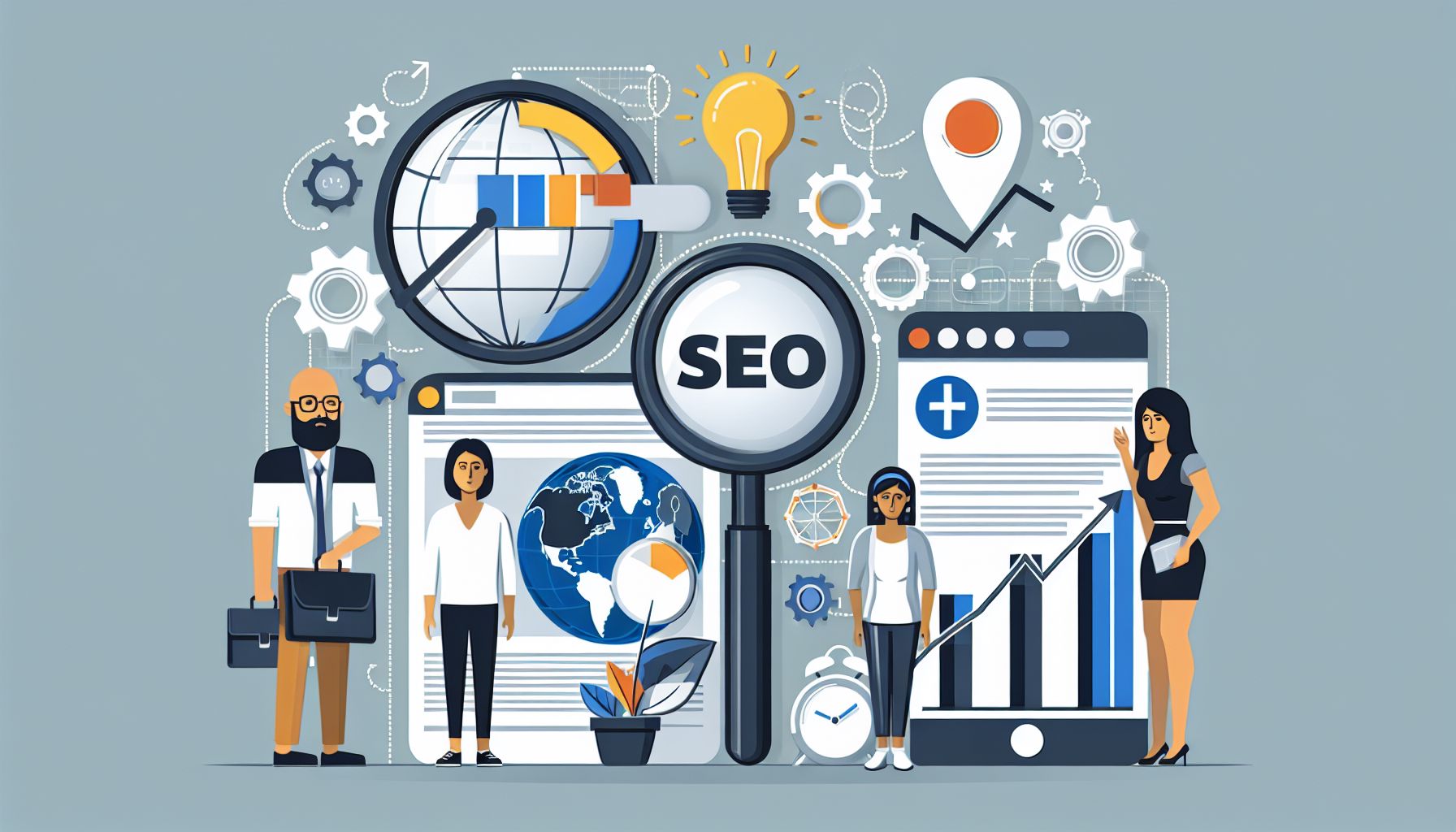
SEO for Small Businesses: Boosting Visibility for Social Media Influencers

SEO for Small Businesses: Boosting Visibility for Social Media Influencers

Regardless of the size of your business, understanding and utilizing Search Engine Optimization (SEO) is a requirement for a significant digital presence. For social media influencers who represent small businesses, venturing into SEO might seem daunting. However, with an initial investment and the right strategy, SEO can have profound effects on your brand visibility and audience growth.

Breaking Down SEO

Before delving into SEO’s functions for small businesses, it’s essential to understand what it is. SEO is the process of enhancing your website or social media pages in ways that make them more appealing to search engines. This process makes your pages more identifiable, increasing your visibility on search results. The more optimized your site is for search engines like Google, the more likely you are to be seen by potential followers or customers when they search for a product, service, or content within your niche.

SEO and Social Media: The Connection

Although social media pages aren’t traditionally viewed as websites to apply SEO strategies to, they indeed are indexed by search engines. Ensuring that your social media profiles and posts are optimized for SEO can significantly enhance your overall online presence.

Utilizing the Right Keywords

To efficiently use SEO as a small business or social media influencer, start by identifying the keywords that represent your brand. When people search for these keywords or related phrases, you want your website or social media profiles to appear. These are often short phrases or long-tail keywords that are specific to your industry or niche. Including these keywords in your social media bio, captions, and posts will help search engines recognize your page as a valuable resource.

Initial Investment in SEO

It’s important to note that although SEO can be a cost-effective marketing strategy, it does require an initial investment. This investment might be time spent researching profitable keywords, creating high-quality content, or even hiring an SEO professional to audit your current strategy. As a small business or social media influencer, starting with a well-planned SEO strategy can lay a strong foundation for your online growth.

Email Marketing and SEO: A Symbiotic Relationship

Apart from improving your visibility on search engines, incorporating SEO strategies can also enhance your email marketing efforts. By optimizing your content for specific keywords, you increase the chances of driving organic traffic to your site. As this audience grows, you can leverage the opportunity to build your email list, convert browsers into subscribers, and eventually into a loyal consumer base.

For example, you can include a call to action in your blogs or social media posts, encouraging readers to subscribe to your newsletter for more valuable content. This tactics can lead to a powerful blend of SEO and email marketing that can accelerate your business growth.

Conclusion

As a small business or social media influencer, exploring the world of SEO might feel like being lost in a digital forest. However, it’s an invaluable investment that can help increase your brand visibility, drive organic traffic to your pages, build a dedicated email list and, ultimately, expand your business. The ability to effectively leverage SEO tactics on your social media platforms can bring your brand to the forefront, leaving search engines, and more importantly, potential followers or customers, unable to ignore your presence.

Cracking the Code: How SEO Works for Small Businesses

Cracking the Code: How SEO Works for Small Businesses

The internet marketplace is both a blessing and a challenge for small businesses. It offers incredible opportunities to reach potential customers that were unimaginable a few decades ago; however, the vast online ecosystem implies an intense competition for visibility. In this context, Search Engine Optimization (SEO) can be a game-changer for small businesses. Understanding how SEO works and harnessing its power can tremendously boost your online visibility and subsequently, your sales. So, let the decoding begin!

What is SEO and Why is it Crucial for Small Businesses?

SEO stands for Search Engine Optimization. It’s the practice of increasing both the quality and quantity of website traffic, as well as exposure to your brand, through non-paid (also known as “organic”) search engine results.

Why is SEO important for you as a small business owner? Simply because online search is the most common method people use to find products and services. If your business isn’t appearing in search engine results, you’re practically invisible to a vast majority of your potential clientele.

SEO is a cost-effective method to enhance this visibility. Unlike paid advertisements, organic SEO gives long-term results, effectively providing a higher return on investment.

How does SEO Work?

To comprehend SEO, it is useful to understand how search engines work. Google, Bing, and their kind use algorithms to scan, or “crawl,” websites to understand what they’re about. Then, they use those details to deliver more relevant results to people who are looking for certain topics or keywords.

SEO incorporates numerous strategies to make your website pleasing to search engines. Let’s explore a few critical ones below.

Keyword Integration

The essential step in SEO is incorporating the correct keywords – the words or phrases that potential customers type into a search engine when looking for your type of product or service. Small businesses can utilize keyword research tools to discover popular and relevant search terms and ensure they are appropriately integrated into your website.

SEO-Friendly Website Design

A well-designed website is crucial in the SEO world. Search engines value user-friendly features like mobile compatibility, fast load times and intuitive navigation.

Quality Content

There’s a reason why you’ve probably heard “content is king” in relation to SEO. Search engines love fresh, unique, and high-quality content. Regularly updating your website with blog posts, articles, and new web pages is a strategic way to keep your website interesting both to your viewers and to search engines.

Backlinks

Receiving links to your websites from reputable sources enhances your credibility in the eyes of search engines. However, it’s important to focus on quality over quantity– a few links from high-quality websites are better than many from low-quality ones.

Pulling it all together

For small businesses, SEO means the difference between being noticed or ignored by potential customers on the internet. While grasping the nitty-gritty details may seem daunting initially, a strategic approach can make it achievable.

Start by optimizing your website for relevant keywords, committing to the creation of quality content and striving for strong backlinks. Remember: consistent fine-tuning is key to a successful SEO strategy.

In conclusion, SEO is not a cherry on the cake but a vital ingredient to ensure your small business thrives in the digital marketplace. Venturing into SEO may seem like stepping into mysterious territory, but with the right approach, you can unlock its potential and drive significant business growth.

Understanding the World of Direct Marketing

Understanding the World of Direct Marketing

In today’s bustling marketplace, businesses are relentlessly vying for consumers’ attention. Amidst the chaos, one approach particularly stands out, and that’s direct marketing. Essentially, direct marketing is a strategic form of advertising that focuses on forging a personal connection with customers. In this post, we’ll take a detailed look at direct marketing, its benefits, and how it can be leveraged through mediums like paid traffic and video marketing.

What is Direct Marketing?

Direct marketing is an advertising strategy that involves contacting potential customers without the use of an intermediary media. Unlike mass marketing techniques that address a broad audience, direct marketing seeks to reach carefully selected prospects with customized messages to elicit a specific response, be it a purchase, a sign-up, or any other type of commitment.

Direct Marketing as a Differentiator

The core strength of direct marketing lies in its ability to weave a direct line of communication between a business and its potential customers. It opens up opportunities for creating personalized messages based on customer behavior and preferences, influencing consumer decisions significantly.

Many companies find direct marketing appealing because of its measurability. Businesses can readily analyze how effective their direct advertising efforts are by examining the number of responses they receive in return. This feedback can then be used for refining future marketing strategies.

The Utilization of Paid Traffic in Direct Marketing

Paid traffic refers to visitors who arrive at your website after you’ve paid for advertising promotions. Many businesses acknowledge paid traffic as an effective and quick way of drawing traffic to their sites and gaining exposure.

In the realm of direct marketing, paid traffic can play a significant role by expanding your reach. By using keywords and demographics, you can target specific audiences and bring them directly to a landing page dedicated to a product or service. The strategy proves to be cost-effective as you only pay when interested individuals click on the ads, ensuring higher return on investment.

Leveraging Video Marketing in Direct Marketing

Using videos in direct marketing is a dynamic and engaging way to deliver personalized messages. Studies report that a well-crafted marketing video can boost conversion rates substantially and has a significantly higher engagement rate than text-based content.

Video marketing can take many forms in direct marketing, for instance, explainer videos, customer testimonials, webinar recordings, and product demos. By integrating a clear call-to-action in these videos, businesses can transform viewers into potential customers.

Conclusion: The Power and Versatility of Direct Marketing

In essence, direct marketing is about reaching your target market in the most effective, personalized, and measurable way possible. Whether through paid traffic, video marketing, or other direct marketing strategies, this approach is about fostering a connection that results in fruitful actions from the customer’s side.

While the world of direct marketing might seem demanding, its potential for delivering robust results is worth the effort. Businesses of all sizes can leverage this form of advertising to build solid customer relationships, ensure customer loyalty, and maximize return on investment. From small scale email campaigns to large scale video marketing strategies, direct marketing caters to all scales and types of businesses.

In a world increasingly dominated by digital technology, the importance of having a personal touch in marketing cannot be overemphasized. In this regard, direct marketing shades a light on how intimate, personal connections can be fostered amidst the vast expanse of the digital marketplace.

Leveraging Social Media for Effective Business Growth

Leveraging Social Media for Effective Business Growth

As a startup or small business owner, understanding how to utilize social media platforms for your business can be a game changer in this digitized era.

Introduction: The Power of Social Media for Businesses

In the 21st century, social media has become an essential part of people’s lives, impacting not just how we communicate with each other, but also how businesses reach their target audience. Featuring diverse platforms like Facebook, Instagram, LinkedIn, Twitter, and Pinterest, social media has helped businesses tap into a vast array of opportunities for growth and success in the digital market.

The Impressive Reach of Social Media

The number of social media users worldwide is nearly 4.48 billion as of 2021, and it is predicted to keep growing. This immense user base offers businesses an unparalleled opportunity to reach potential customers worldwide.

Making Your Customers Feel Valued

Social media allows businesses to engage with their audience and make them feel valued by responding to their comments or issues promptly. This customer engagement builds a stronger connection between your brand and its customers, resulting in brand loyalty and customer satisfaction.

Cost-effective Marketing Strategy

Compared to traditional marketing methods, social media marketing is a much more cost-effective option. You can reach thousands or even millions of potential customers on social media platforms with just a fraction of the cost of traditional marketing efforts.

How to Use Social Media for Business Growth

Understanding how to harness the power of social media is crucial for every business. Here’s a simple guide:

Identify the Right Platforms

Not all social media platforms will be suitable for your business. Each platform has its unique features and audience. Therefore, identifying the most relevant platform for your target audience should be your first step.

Develop a Social Media Strategy

Having a well-planned social media strategy is essential. This includes defining your goals, identifying your target audience, creating engaging content, and scheduling your posts strategically.

Engage with Your Audience

Interacting with your audience is not just about responding to their comments or messages. Regularly asking for feedback, running contests, or hosting live sessions can help keep your audience engaged and build a strong relationship with them.

Use Analytics for Insight

Most social media platforms provide business accounts with analytical tools. These tools give insights about your audience’s demographics, their online activities, and the performance of your posts. You can use these insights to refine your marketing strategies.

Social Media for Startup Businesses

For startup businesses with limited marketing budgets, social media is an invaluable tool. The potential for organic reach, audience insights, brand awareness, and community building is substantial on these platforms.

Moreover, the ability to track and measure the effectiveness of marketing campaigns in real-time is another key advantage that social media offers. This helps startups to optimize their marketing strategies and achieve better ROI.

The Conclusion: Embracing Social Media for Business Success

Believe it or not, despite the increasing importance of social media for businesses, many are still not using it to its full potential. The truth is, a well-structured social media strategy can skyrocket your brand’s reach and recognition, grow your customer base, drive traffic to your website, and ultimately, boost your sales.

In this digital age, leveraging social media’s power for business growth is no longer optional – it’s a must. So embrace social media, understand its dynamics, devise a strong strategy, and get ready to witness a positive impact on your brand’s visibility and revenue.

Deciphering the Maze of Online Marketing: Best Strategies for Small Business Owners

Deciphering the Maze of Online Marketing: Best Strategies for Small Business Owners

Nearly every small business battles with publicity and clientele expansion. In the digital era, marketing your business online is no longer optional. However, the question is, what are the best online marketing strategies for small business owners? This post is your handy guide for effective online business marketing through intriguing pieces like Business Sales Letters (BSLs) and Video Sales Letters (VSLs) while maintaining a professional tone.

Recognize the strength of Social Media

Regardless of what you do, socially inclined platforms offer a massive reservoir of potential clients. It’s noteworthy that 3.6 billion people were using social media worldwide in 2020, a figure projected to increase to almost 4.41 billion in 2025. With such progression, the potential within social media platforms is undeniable.

However, it’s not enough to announce your presence online; you need to engage your followers meaningfully. Achieve this by providing valuable content and timely responding to comments and messages. Furthermore, using captivating marketing tools like BSLs and VSLs can lure your audience into your sphere. Also, participate in groups and discussions relevant to your industry, and use these platforms to offer expert insight.

Enhance your SEO (Search Engine Optimization)

Your online presence begins with a search engine. The first page of most search engine results captures over 75% of web traffic. Therefore, boosting your SEO presence should be a critical part of your online marketing strategy. Hiring an SEO specialist to ensure your site comes up high in search results can be a worthwhile investment.

In addition, creating quality content using strong keywords relevant to your business will organically improve your SEO performance. Apply your keywords in blog posts, BSLs, and VSLs, which should be regularly updated on your website.

Enlist Email Campaigns

Email marketing is a terrific way to keep your customers informed. Besides, emails allow you to maintain a personal touch, encourage customer loyalty, and sell more products. Email newsletters containing valuable content, special deals and offers, and new product announcements keep your business at the top of your customers’ minds.

A masterfully constructed BSL can whet your patrons’ interest in your business, encouraging them to take action. Combining your email campaigns with BSLs and VSLs is a sure way to maximize your reach.

Leverage the Power of Video Marketing

Video has become a dominant force in online marketing. 54% of consumers want to see more video content from marketers. The beauty of video is that it can make complex details much simpler to digest. VSLs take this notch higher by inducing the audience’s attention, prompting immediate action.

Remember, not all videos need to break the bank; using your smartphone and a few inexpensive accessories, you can shoot high-quality videos. Whether it’s a tutorial, product demonstration, or client testimonial, videos give your audience a visual experience, building a stronger emotional connection.

Conclusion

In a world that’s increasingly becoming digital, online marketing is no longer a luxury but a necessity that small business owners cannot afford to forgo. Tapping into the power of social media, enhancing your SEO presence, making the most of email campaigns, and leveraging the sway of VSLs will undoubtedly give your business the visibility and patronage it needs to flourish.

As you embark on your online marketing journey, remember to keep track of your performance. Use metrics and tools to measure your efforts’ effectiveness, tweak your strategy where and when necessary, and always focus on delivering value to your customers. Happy marketing!

Local Business Online Marketing: A Tactical Guide

Local Business Online Marketing: A Tactical Guide

Every business thrives on its ability to reach and engage its target audience. In recent years, digital marketing has opened up various channels to connect businesses with customers, replacing traditional methods with more effective online strategies. Even for local businesses, online marketing can be a game changer. This article will guide you on how to navigate the realm of online marketing and strategy for your local business effectively.

Why Local Businesses Need Online Marketing

The digital age demands change. To thrive and survive, local businesses cannot only rely on traditional marketing cornerstones such as direct mail or print advertising. The internet allows customers the convenience to search, navigate, and obtain services promptly – a game local businesses need to get in immediately. Research shows that 97% of consumers go online to find a local service. To stay competitive in this era, online marketing for local businesses is not just an option but a necessity.

Understanding Your Target Audience

The first step to online marketing is to understand your target consumer. In the realm of digital marketing, knowledge is power. Knowing your buyer’s persona can help you brainstorm content and campaign strategies that will resonate with them. Try to know who they are, what they need and how they search for products or services similar to yours. Google Analytics and Facebook Insights are excellent tools to gather such data.

Building an Online Presence

Being found online doesn’t come easily. You need a central hub, a platform where your potential customers can find you and learn about your offerings. Creating a company website and claiming your GMB (Google My Business) page should be your first steps. Keep your website updated, user-friendly, and engaging, as it’s the face of your company online. Also, make sure your website is SEO-optimized, so it ranks on search engine results pages.

Content Marketing Strategy

Once you have a website, feed it with top-quality content. Content marketing is an incredibly effective way to demonstrate your industry expertise and establish a loyal audience. Regularly update your website with blog posts, videos, eBooks, etc., that offer valuable information to your customers. With a strong content marketing strategy in place, your local business will continue to attract and engage consumers.

Leveraging Social Media

Social media is a powerful tool for online marketing. It allows you to interact and engage with your customers actively. Facebook, Twitter, Instagram and LinkedIn provide platforms for promoting products, sharing content, and building strong client relationships. Post frequent updates, respond to comments and messages, and create content that your audience would find interesting and shareable.

Paid Advertising

Paid advertising is an effective complement to organic online marketing tactics. Pay-per-click advertising, like Google Ads or Facebook Ads, can increase visibility and conversions. Paid campaigns must be targeted and optimized to ensure effectiveness and a high return on investment (ROI).

Monitoring and Adjusting Your Strategy

Finally, it’s vital to continually monitor and adjust your strategy. Make use of analytical tools to track your campaign’s performance. Reflect on what’s working, address the areas of improvement and, evolve accordingly.

Conclusion

Effective online marketing is a mix of different strategies and methods tailored to meet your specific goals. The online world provides a variety of platforms for local businesses to market themselves and reach a wider audience but requires patience, consistency, and constant adjustment. Embrace the methods detailed in this post and start crafting your online success today. Understanding your target audience, developing a powerful online presence, focusing on content, leveraging social media, using paid advertisements, and learning to adjust as per your strategy are the key to successful online marketing for local businesses.

Building a Local Market Presence: A Guide to Personal Branding for Success

Building a Local Market Presence: A Guide to Personal Branding for Success

Let’s be honest. Establishing yourself as a small local business requires more than just opening a new storefront and hoping customers will come flowing in. It revolves around an essential aspect – marketing yourself effectively. But fear not! This process isn’t as daunting as it seems. Here’s a brief guide on how to market yourself for local businesses.

Start With Self-Branding

Think of yourself as a brand. What do you want people to think of when they see or hear your name or the name of your business? This is your brand, your promise to your customers. Your brand should clearly communicate the following:

  • Who you are?
  • What you’re offering?
  • Why should they choose you over competitors?

The answers to these questions will guide your branding strategy and serve as the blueprint for your future marketing efforts.

Engaging with Your Community

The heart of local business marketing lies in fostering solid relationships within your local community. Participating in community events, sponsoring local sports teams, or contributing to local charities not only gives your brand excellent local exposure but also shows that you care about your community. These efforts help you establish a positive image and build a network of loyal customers.

Harnessing the Power of Social Media

In the digital age, the importance of social media marketing can’t be denied. It’s a platform that offers a personal touch and instant communication, ideal for local businesses to connect with their customer base. Posting regularly about your business, offers, events, and customer interactions can help maintain a strong digital presence. Platforms such as Facebook and Instagram offer location-based advertising that can both maximize your exposure and ensure your ads are seen by potential local customers.

Collaborate with Local Businesses

Remember, other small businesses in your area aren’t just your competitors, they can also be your allies. Teaming up with other local businesses for joint events, mutual promotions, or merely supporting each other on social media can expand your network and exposure. Plus, collaboration builds supportive business communities, beneficial for everyone involved!

Leverage Customer Testimonials and Reviews

Genuine customer testimonials and positive reviews can work wonders for your reputation. Encourage your satisfied clients to share their positive experiences on various review platforms and use their testimonials in your marketing. It’s one of the most compelling ways to tell potential customers – ” Hey, check me out. I’m fantastic at what I do.”

Optimize Your Website

Statistics show that 46% of all Google searches are looking for local information. This statistic alone emphasizes the importance of having an optimized, up-to-date, and professional website for your business. Remember to emphasize your location in your website content, incorporate local search keywords and ensure that your site is mobile friendly.

Initial Investment

Marketing yourself as a local business doesn’t necessarily require an exorbitant investment. However, an initial investment in certain aspects of marketing can prove to be fruitful. This can range from spending a little extra on your website’s design, investing in locally targeted digital advertising, and even getting professional photos of your products or services.

Conclusion

There’s no one-size-fits-all approach to local marketing. It’s about learning what works best for you and your business and being willing to adapt and tweak your strategies accordingly. After all, the goal is to not just have a strong local presence but to convert this presence into tangible business results. The marketing process might require an initial investment, but with careful planning and strategic implementation, you’ll soon see a return on your investment.

So, get out there, make your mark, grow your brand, and come to be known as a leading local business in your area. Remember, people love shopping locally, and today’s consumers are keen to support businesses that demonstrate a commitment to their local community. Good luck!

#Ingenious Marketing Ideas for Local Businesses

#Ingenious Marketing Ideas for Local Businesses

Hello there fellow entrepreneurs! Today, I will be sharing with you some amazing marketing strategies, specifically tailored for local businesses. With the digital age upon us, there are more ways than ever to get your business noticed, and it’s not as complicated as you might think. By setting up the value ladder in the right manner and leveraging the power of digital marketing, you can skyrocket your local business not only in terms of reach but also profitability.

Digital Marketing: The New Normal

In a world where almost everyone owns a smartphone and has an online presence, digital marketing has become the new norm for promoting businesses, including local ones. Let’s dive into some specifics:

  1. Leverage Local SEO: This is probably the most important digital marketing strategy you need to adopt as a local business. By optimizing your website for local SEO, you can ensure that your business shows up in local search results, thereby attracting local customers.

  2. Google My Business: If you haven’t registered your business on Google My Business, do it now! This free tool not only boosts your visibility on Google Maps and local search results but also lets you share important details like your address, hours of operation, and photos.

  3. Social Media Stories: Use social media platforms like Facebook and Instagram to share ‘Stories’ about your business. With these Stories, you can highlight daily operations, share customer reviews, reveal upcoming products, or simply engage with your audience.

  4. Local Influencer Marketing: Partnering with local influencers is another effective digital marketing strategy. They not only have a strong local following but partnering with them can also help you tap into a younger audience.

The Power of the Value Ladder

Now that you’re harnessing the power of digital marketing to pull in potential customers, it’s time to boost your profitability. And that’s where a value ladder comes into play.

The concept of a value ladder involves offering different products or services at different price points, creating a ‘ladder’ of increasing value and price. This strategy serves two purposes: it attracts a broad range of customers at different stages in the purchasing journey, and it allows these customers to move up the ladder as they realize the value of your higher-priced offerings.

The key to creating an effective value ladder is to ensure that each rung delivers real value to the customer, giving them a reason to consider moving to the next rung.

It’s worth noting, however, that each rung should be mutually exclusive, providing its own value. This means that customers who choose to stay on a lower rung should still be satisfied with what they receive. Similarly, those who decide to move up the ladder should feel that they are getting increased value for their money.

Bringing It All Together

Let’s bring it all together now. You have leveraged the power of digital marketing to attract potential customers by tapping into local SEO, Google My Business, social media stories, and local influencer marketing.

With your audience now highly aware of your brand, you seamlessly lead them to your value ladder where they find products or services tailored to their specific needs at various price points. As they climb this ladder, they get more value for every dollar spent, thus enhancing their loyalty and ultimately your profitability.

Conclusively, local businesses can reap great benefits from implementing these clever marketing strategies. Leveraging digital marketing can significantly increase your business’s visibility and draw the local crowd. Simultaneously, an effective value ladder can help drastically boost profitability by offering real value at every stage.

Ultimately, the success of your local business is not dependent on a massive budget but rather, it’s about finding smart, effective strategies to engage your customers. And with these marketing strategies, you will be well on your way to creating a thriving local business. Happy marketing!

Boost Your Local Business: SEO Strategies for Small Businesses

Boost Your Local Business: SEO Strategies for Small Businesses

Every local startup business leader is constantly on the prowl for strategies that increase visibility, customers, and ultimately sales. Leveraging the power of search engine optimization (SEO) should undoubtedly be a significant part of your plan. If you are not on the top pages of search engine results, you’re virtually invisible. Never underestimate the role that carefully designed SEO plays in customers finding – and choosing – businesses like yours!

Understanding the Power of SEO for Small Businesses

SEO is all about improving your digital presence to attract more organic (free) traffic from search engines. When used effectively, it can literally help you “go from nowhere to everywhere” in terms of web visibility. For a local startup, the importance of focusing on your local market can’t be overstated – these are the folks who are most likely to become your loyal customers.

Just think about the number of times you have typed in searches like ‘electrician near me’ or ‘best pizza place in town’. As a local business, your goal is to have your website and social media pages rank high in the search results for these query types. When someone searches for a service or product you offer, you want to be at or near the top of those search engine results.

Local SEO Strategies That Work

A well-planned SEO approach can significantly boost a local business’s online visibility in its target market. Here are three effective strategies to get ahead:

  1. Optimize your Google My Business listing: An optimized Google My Business listing is your first step to appearing in local search results and Google Maps. Thoroughly fill out your business profile, including business hours, location, services, products, and contact information. Make sure to include customer reviews and regularly update your status.

  2. Leverage local keywords: Find and use local keywords in your website and social media content. Your customers are using specific key phrases when searching for local businesses online – make sure your business is using these phrases too. Use local references, landmarks, and location-based phrases that people are likely to use when searching in your area.

  3. Engaging content to boost social shares: Create relevant, engaging content on your website and social media channels and incentivize your visitors and followers to share your content. The more shares you have, the higher your visibility. This not only boosts SEO but also can lead to more reviews, which is another crucial local SEO tool.

Why SEO is a Must for Your Local Business

Today’s consumers rely on search engines to provide information about local businesses, their products, and services. If your local business is not strategically placed in search engines through effective SEO, you’re missing out on potential sales each day.

SEO not only maintains your online visibility but even boosts it, allowing your business to reach out to a broader audience. An efficient SEO strategy serves to push your website up the ladder in search engine rankings, allowing your local customer base to spot you effortlessly.

In conclusion, SEO is not a luxury that only big businesses invest in. SEO for small businesses might seem like a big word, but the benefits it reaps are enormous and crucial for your business survival and growth. It is one major contributing factor to leveling the ground for small local businesses to compete with major industry players.

If you haven’t already adopted an SEO strategy for your small business, it would be best to get started now. Ensure you include local SEO strategies into your overall marketing plan to guarantee both short-term and long-term growth. It’s time to let SEO work its magic and catapult your local small business to the status of a significant player in your local market.