Being a small business owner in today’s digital world can feel like trying to navigate a vast, complex labyrinth. You’re constantly jostling for visibility amongst a sea of competitors, and turning to online marketing seems like a viable step. However, with various platforms and services available, knowing where to start is crucial. Google Pay-Per-Click (PPC) might just be the answer.
How Google PPC Works
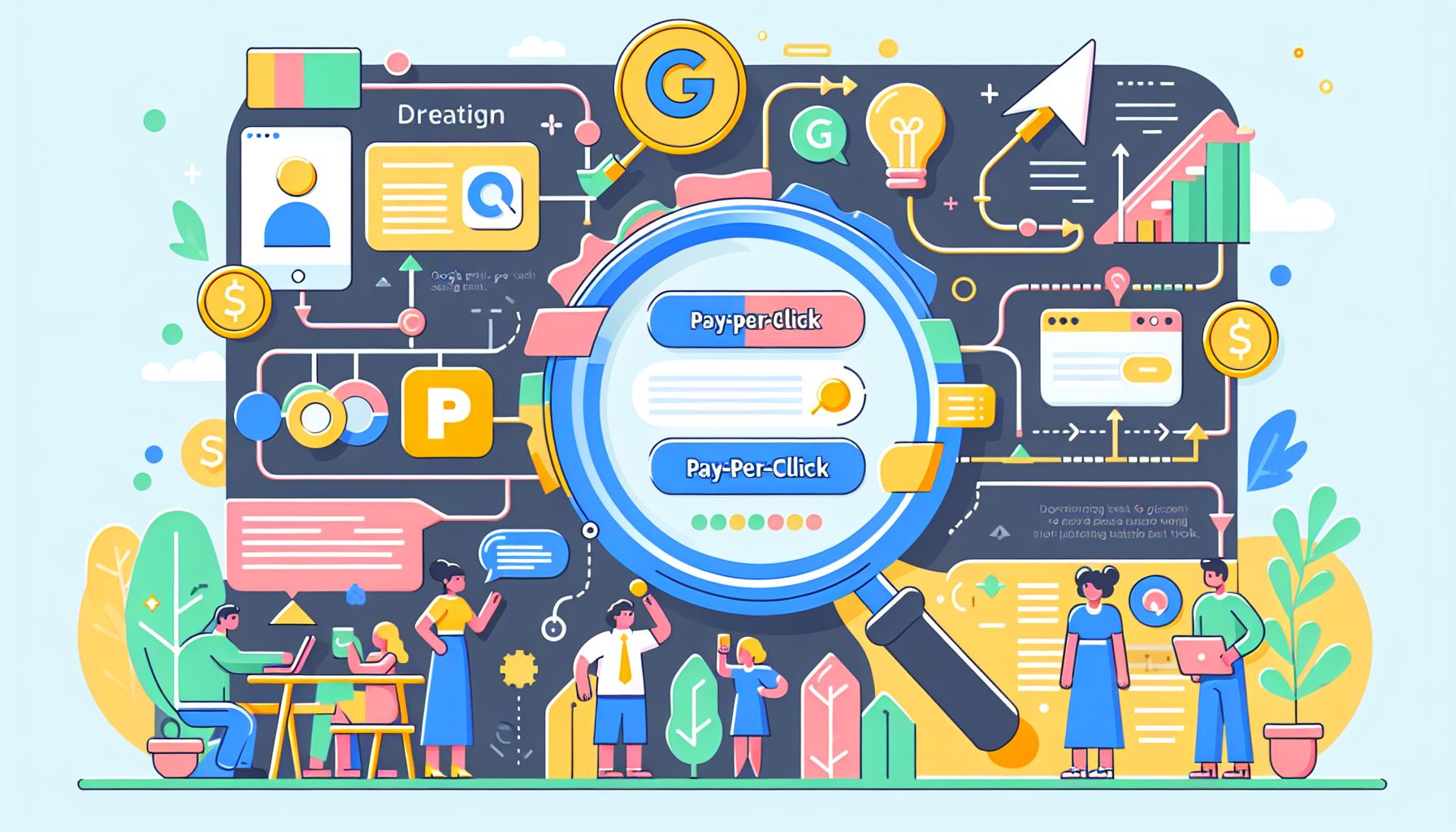
Google PPC is a model of digital marketing where advertisers pay a fee each time their ad is clicked. In simple terms, it’s a way of buying visits to your website, rather than trying to earn visits organically.
Each time a user enters a search query on Google, the search engine digs into the pool of advertisers and selects a set of winners to appear in the ad space on its search results page. These winners are determined based on various factors, including the quality and relevance of their keywords and ad campaigns, and the size of their keyword bids.
The Merits of Google PPC for Small Businesses
1. Level Playing Field
One of the primary benefits of Google PPC is that it levels the playing field for small businesses. Regardless of business size, anyone can set up an ad campaign, determine a budget, and start driving traffic to their site. You’re no longer competing just on resources but on relevancy and quality of your ad campaigns.
2. Budget Flexibility
With Google PPC, you have full control over your budget. You can start small and increase your investment as you start seeing results. The beauty lies in its pay-as-you-go model — you only pay when someone interacts with your ad.
3. Measurable Results
Another beauty of PPC advertising lies in its measurable nature. Google provides detailed analytics showing how your ads are performing, enabling you to understand what’s working and what isn’t. You can make data-driven decisions to optimize your campaigns and get better returns on your investment.
Getting Started with Google PPC
1. Identify Your Target Audience
The first step in any successful PPC campaign is to clearly define your target audience — knowing their demographics, interests, behavior, and needs.
2. Conduct Keyword Research
Your next step is to identify the search terms or “keywords” that your target audience uses when they’re looking for your type of products or services. You can use tools like Google’s Keyword Planner for this process.
3. Setup Your Ad Campaign
Now that you’ve identified your target audience and keywords, you can set up your ad campaign in the Google Ads platform. This process involves writing your ad copy, setting a budget, and determining your bid amount for each keyword you’re targeting.
4. Monitor and Optimize
After launching your PPC campaign, it’s crucial to continuously monitor and measure your results, and optimize your campaign based on these insights.
Looking Ahead
Whether you’re a new business owner seeking to enter the digital marketing space or an experienced marketer wanting to diversify your marketing strategies, Google PPC advertising is a tool you can’t afford to ignore. Utilizing its power can lead to increased visibility, more leads, and ultimately, higher conversions and sales.
Embrace the complexity, appreciate the flexibility, and harness the power of data with Google PPC. In doing so, you will unlock a new level of growth and success for your business. And remember, whether you’re on the first rung of the ladder or higher up, every step is a step towards achieving your business objectives.