Are Call Centers Still Effective for Local Businesses?

Are Call Centers Still Effective for Local Businesses?

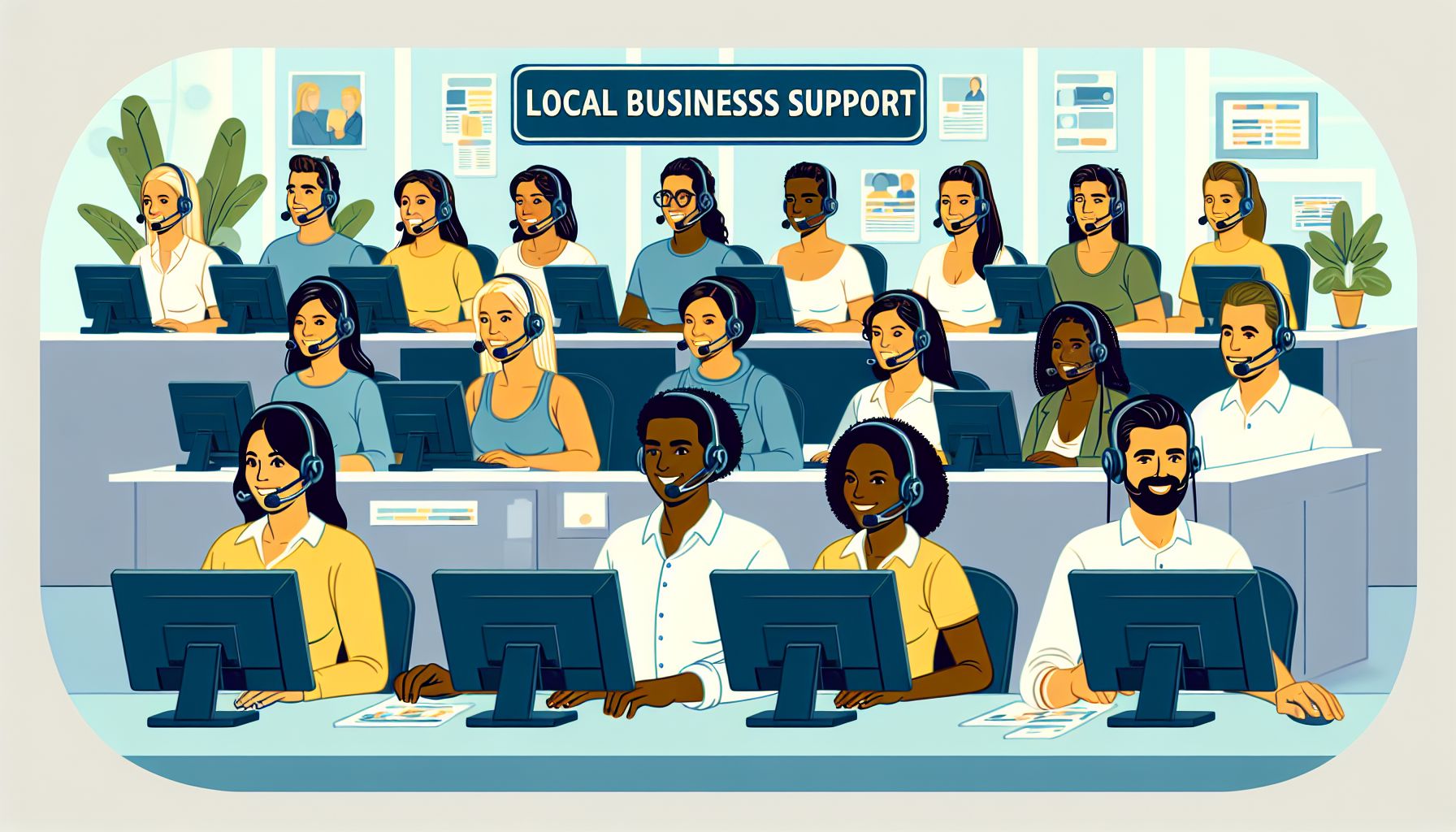
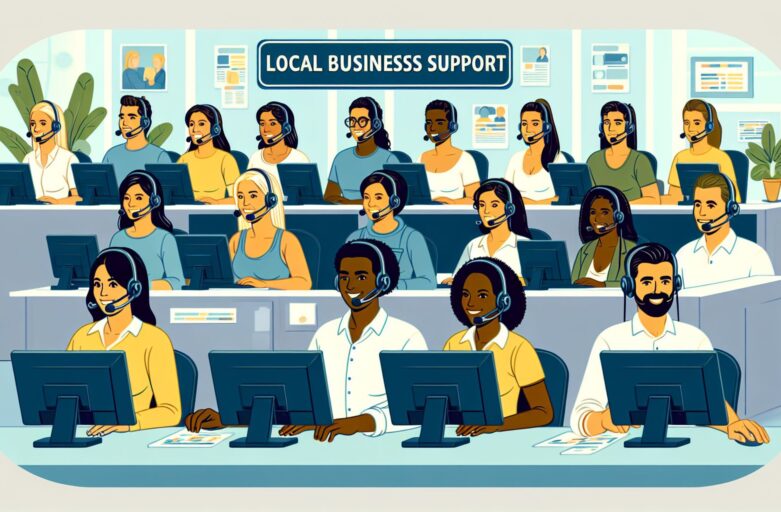
The past decade has witnessed a remarkable shift in technology, drastically changing the business landscape. From brick-and-mortar shops to E-commerce startups, today’s businesses are acquainted with various communication channels beyond the conventional telephone service. Despite significant progress in digital communication, one aspect that has steadfastly retained its value is the traditional call center. In particular, for local businesses, call centers offer unique advantages that continue to make them an effective tool.

The Role of Call Centers for Startups and Local Businesses

Startups and local businesses often operate on tight resources. They frequently lack the necessary labor or financial capacities to establish and maintain their complex customer service infrastructure. This is where call centers can offer a beneficial solution.

Call centers provide a cost-effective way for businesses to manage their customer service. By outsourcing call handling, businesses can concentrate more on core operations while ensuring their customers receive timely and professional service.

Call centers can handle a wide range of tasks, including customer complaints, inquiries, orders, bookings, and even conducting market research. This versatility makes them a comprehensive customer service solution for startups and small businesses.

The human touch provided by a call center is also vital. While automated systems and chatbots can handle standard queries, they’re currently ill-equipped to handle complex or emotional customer interactions. Call centers bring the necessary human element that can help build stronger customer relationships.

The Impact of Call Centers on Customer Experience

In an era where customer experience is king, no business, whether a startup or an established local player, can afford to compromise on their service level. Customer satisfaction directly translates to business success, and call centers play a crucial role in enhancing this experience.

A professionally run call center can ensure your customers are heard, their problems addressed timely, and their overall experience with your brand is positive. Call centers also can collect data on customer interactions, helping businesses understand their customers better and tailor their services accordingly.

One key benefit that startups can gain from a call center is scalability. With a third-party call center, a business can handle customer calls even during peak times, avoiding the cost of in-house staff to manage those busy periods.

The Future of Call Centers

The future augurs well for call centers. As technology continues to evolve, so does the potential of call centers. Innovations like cloud-based platforms, artificial intelligence, and analytics have found their way into the industry, making call centers even more valuable for businesses.

Cloud-based call centers, for example, enable operators to provide service from anywhere, making them resilient to disruptions. Analytics, on the other hand, introduce businesses to a gold mine of insights into customer behavior and preferences.

At the same time, the human element that call centers embody holds high relevance in providing personalized service.

Conclusion: Embracing the Value of Call Centers

In conclusion, call centers remain an effective tool for local businesses and startups. They ensure prompt and efficient delivery of customer service, which not only satisfies customers but also helps in retaining them. By leveraging the advantages of call centers, local businesses can significantly enhance their service level while keeping their costs in check.

As technology continues to evolve, the call center as we know it will also progress. Therefore, businesses looking to stay ahead of the curve should acknowledge and adapt to the continued relevance of this often overlooked resource.

Unlocking the Secrets: How Influencers Generate Revenue on Social Media

Unlocking the Secrets: How Influencers Generate Revenue on Social Media

Welcome, future influencer! Ready to unlock the secrets of making money on social media? Ready to build your empire by monetizing your influence and harnessing the power of the internet? Well, thumb no further. This post is your goldmine!

How Do Influencers Make Money?

First things first. Influencers use various strategies to generate income via their social media platforms. The most common being through sponsored posts, affiliate marketing, and product collaborations. Brands are quick to partner with influencers who have the right audience to promote their products or services. The money begins to flow once you’ve built an engaged audience on social platforms like Instagram, Facebook, YouTube, or Snapchat.

Leveraging Sponsored Posts

Sponsored posts are the bread and butter of any influencer’s income. Brands pay influencers to create content that promotes their products or services, which the influencer shares with their followers. The key here is high-quality content that resonates with your audience and drives engagement. Keep in mind that more reach and engagement translates to more significant monetary gains.

Affiliate Marketing: Your Goldmine

Equally lucrative is affiliate marketing. This is when influencers promote a product or service and earn a commission on any sales they drive. By using trackable links or unique promo codes, influencers can earn from cost per lead basis. The more leads they generate, the more money they make. It’s that simple. If you’ve got an engaged audience that trusts your recommendations, affiliate marketing could be your ticket to a six-figure income.

Paid Traffic: Your Ticket to Bigger Revenue

Just getting started and looking to boost your reach? Don’t worry, paid traffic is your secret weapon. With strategic investment, you can drive more traffic to your social media platforms, therefore attracting more brands and generating more income. Even established influencers can use targeted advertising to increase their reach and engagement, making their profiles more attractive to potential brand partners.

Product Collaborations for the Win

For influencers with a substantial following, product collaborations or creating their own product lines can be incredibly lucrative. From limited-edition merchandise to their own makeup line, opportunities abound. By lending their name and influence to a product, influencers are able to earn a share of the profits, and depending on the success of the product, this can lead to a considerable payday.

Bridging Social Media Influence and Revenue Generation

The secret sauce to turning your influence into a cash-cow lies in growing and nurturing your online community. The more people you can influence, the better your ability to monetize that influence. However, remember that boosting your following isn’t just about growing your numbers, but about increasing your level of engagement.

Never underestimate the power of authenticity. Followers need to feel like they can trust you for them to engage with your content and ultimately buy into the advertised products. Hence, always strive to provide genuine content that you believe in and relates to your brand.

Conclusion: Turning Social Media Influence into a Goldmine

There you have it. The secret is out! You can definitely monetize your social media influence, and there’s no better time to start than now. Remember, the power lies in quality content that resonates with your audience, promoting products that appeal to your followers, and creating genuine engagements.

Get your piece of the pie! Start growing your followers systematically through paid traffic, and remember to strategically use the cost-per-lead to your advantage. Making money as an influencer is achievable, and with a bit of finesse and strategy, you might just be the next big thing on the internet. Ready to earn while you socialize? Let’s make social media work for you!

Creative Marketing Ideas for Thriving Local Businesses

Creative Marketing Ideas for Thriving Local Businesses

In today’s digitally interconnected world, local businesses face unique marketing challenges. Long gone are the days where word of mouth and local media were enough to drive sales and growth. In an attempt to weather the digital storm, local businesses must adapt and resort to new, innovative marketing tactics. This article will explore exciting strategies like the effective use of social media marketing and video sales letters to boost a local business’s performance.

Harnessing the Power of Social Media Marketing

Social media is a potent tool for local businesses. An impressive 70% of U.S adults are found to be using Facebook, with 74% of these users visiting the site daily. Using this platform effectively can increase your business’ exposure, enhance brand loyalty, and spur sales growth.

Building a Strong, Engaging Social Media Presence

Your social media presence is a direct reflection of your brand. It becomes an excellent platform for communicating with customers and potential prospects. Posting relevant and engaging content promptly can keep your followers interested and persuade them to patronize your business.

Running Targeted Social Media Ads

Facebook’s targeted ad feature allows you to directly reach your desired audience. You can use demographic data such as location, age, and interest to narrow down your advertising messages’ recipient. As per your budget, the size and scale of these ads can be tweaked. By targeting your ads to your specific audience, you can increase their effectiveness and ensure a higher return on investment (ROI).

Leveraging Video Sales Letters for Local Business Marketing

Many local businesses underestimate the power of video sales letters (VSLs). These are basically sales letters conveyed through engaging video content rather than plain text, thus increasing the chance of capturing your target audience’s attention. Here’s how you can integrate VSLs into your marketing strategies:

Telling Your Story through VSLs

People love a good story. Video sales letters allow you to enthrall your audience while clearly explaining your product or service. The visual component provides a lot of room for creative storytelling, which can hook your audience and compel them to stay until the end.

Using VSLs to Showcase Product Demos and Testimonials

Providing real-life testimonials from customers or showing your product in action can significantly boost your credibility. Positive reviews from satisfied customers can work wonders for your local business, persuasively influencing potential customers.

Collaborative Events and Partnerships

Amplify your presence in the community by partnering with other local businesses for events or projects. Doing so not only merges your customer bases but also creates a vibrant local community that fosters mutual growth and benefit.

Conclusion

Local businesses today need to keep up with the changing times and adopt modern marketing methods to stay competitive. From creating an engaging presence on social media and running targeted ads, to leveraging the potential of video sales letters, local businesses have a range of strategies at their disposal. However, it’s essential to constantly monitor these tactics’ effectiveness and tweak them to realize their full potential. After all, the aim is to create sustainable growth and drive real, tangible results for your business. Embrace these innovative practices, and see the impact on your bottom line.

Unlocking The Power Of Google Pay Per Click

Unlocking The Power Of Google Pay Per Click

In the digital marketing landscape, Pay Per Click (PPC) advertising holds a distinctive position. It drives immediate results and offers measurable ROI. Among various PPC advertising platforms available today, Google Ads is the most popular. In this blog post, we’ll understand how Google Pay Per Click works.

What is Google Pay Per Click?

Google Pay Per Click, better known as Google Ads, is an online advertising mechanism where advertisers pay a fee every time one of their ads is clicked. Essentially, it’s a way of buying visits to your site, rather than attracting them organically.

How It Works?

Keyword Selection

Every Google Pay Per Click campaign starts with keyword selection. These are words or phrases relevant to your business that users might type into Google when looking for your products or services. Do thorough keyword research to find the right keywords that have good search volume, are relevant to your business, and are not overly competitive.

Ad Creation

Once you’ve selected your keywords, you’ll need to create your ads. Your ad should be compelling, relevant to the keyword, and align with the landing page you’re sending users to. You will write ad copy and choose a destination URL that is most likely to convert.

Bidding Process

Google Ads operates a lot like an auction. You place a bid on a keyword, which is the maximum amount you’re willing to pay when someone clicks on your ad. You’re competing against other advertisers who are also bidding on the same keyword.

Your ad rank (the position your ad is shown in on the SERP) is determined by your bid, the quality of your ad, and your site. When someone does a search that triggers your ad, Google calculates your ad rank, and if it’s higher than the other advertisers, your ad gets shown.

Paying for Clicks

When someone searches on Google, Google will decide which ads to display and their ranking based on each ad’s bid and Quality Score (based on an algorithm). You only pay when someone clicks on your ad (hence, Pay Per Click). The actual cost per click you pay is determined by the ad rank of the next highest ad below yours, divided by your Quality Score, plus $0.01.

The Power of Google Pay Per Click

Google Pay Per Click has several distinctive benefits. First, it offers incredible granularity. You can precisely target your audience based on keywords, location, demographics, and more. Second, it’s controllable and flexible. You can set your budget, adjust bids, pause, or stop campaigns at any time. Last but not least, it’s measurable. You can track clicks, impressions, conversions, and understand your advertising ROI.

Initial Investment and Sales

Here’s where the initial investment and sales come into play. The beauty of Google Pay Per Click is that you can start with any budget, large or small. However, remember that there’s a direct correlation between the budget you’re willing to invest and the results you’ll see in terms of sales.

To give you a clear idea of sales, Google Ads allows you to monitor conversions, which can be any valuable action such as form submissions, phone calls, or online purchases. Hence, by keeping track of your conversions, you can gauge your sales and determine your return on initial investment.

Conclusion

In summary, Google Pay Per Click is an incredibly powerful advertising tool, providing quick, measurable results, and a significant ROI. While it may seem complex initially, with time and experience, it can prove to be a significant game-changer for your business. Invest smartly in your campaigns, measure your results, and continuously refine your strategies to reap the benefits of this exciting advertising platform.

How to Build a Social Media Following for Your Warm Audience: A Comprehensive Guide

How to Build a Social Media Following for Your Warm Audience: A Comprehensive Guide

Establishing a robust social media presence is paramount for any startup looking to expand its reach. But what about a warm audience – the individuals already acquainted with your brand and message? These overlooked groups can significantly bolster your growth if engaged rightly. Today, we’ll discuss some effective strategies to cultivate your warm audience and garner a healthy social media following.

What is a Warm Audience?

Before delving into the strategies, it’s crucial to understand what a warm audience is. Unlike cold audiences, who are unfamiliar with your brand, a warm audience comprises individuals already exposed to your products or services. They may be previous customers, someone who’ve visited your website, commented on a blog post, or followed your social media account. In other words, these are people who’ve shown interest but not necessarily made a purchase.

Getting Started: Identifying Your Warm Audience

Your warm audience can be segmented based on their engagement stage:

  1. Loyal Customers: These are the folks who regularly buy your products or services. They are your biggest cheerleaders, providing positive reviews, referrals, and establishing trust around your brand.

  2. Consideration Stage Audience: These people have shown interest in your products or services but yet to make a purchase. This could mean those who’ve signed up for a newsletter, interacted with your blog posts, or responded to a promotional survey.

  3. Awareness Stage Audience: These are the individuals who’ve merely visited your website or followed your social media channels. They likely know about your offerings but haven’t shown intent to purchase.

Strategies for Building Social Media Following For Warm Audience

Now that we’ve established a basic understanding, let’s look at three effective solutions:

Engage Proactively

An engaged audience is a loyal audience. Regularly post fresh, relevant content to your social media channels and encourage your audience to interact by asking questions, sharing opinions, and conducting polls. When they interact, be there to reply and converse. This tactic gives your brand a personality and helps nurture relationships with your audience.

Personalized Content

Personalized content shows your audience that you understand their needs and challenges. For loyal customers, you might share product updates or provide content that enhances their product experience. For the consideration stage audience, you might nurture them towards a purchase with user testimonials, case studies, and proof of your product’s effectiveness. For the awareness stage, keep a mix of educational content about your industry, product or service benefits, and how it solves their pain points.

Use Social Media Advertising

Platforms like Facebook and Instagram allow you to target ads specifically to people who’ve interacted with your brand. Leverage these features to re-engage your warm audience by reminding them why they were interested in the first place.

Conclusion: Persistence Is Key

Building a social media following among a warm audience takes time, creativity, and a lot of patience. However, with these tips in your arsenal, you can ultimately guide your warm audience down the sales funnel, converting them into loyal followers and, eventually, repeat customers. Remember that nurturing a warm audience is about providing value and forging substantial relationships. As long as you keep your audience’s needs in focus, the growth of your social media following will be a delightful by-product.

Are Call Centers Still Effective? The Inside Scoop

Are Call Centers Still Effective? The Inside Scoop

With the advent of AI and automation, many individuals question the relevance of call centers in the present business atmosphere. This article will provide a comprehensive review of why call centers are not only necessary but remain a highly effective method of customer communication and sales. So, whether you’re an entrepreneur considering an initial investment in a call center, or a business owner hedging on its significance – stay tuned.

Introduction: The Evergreen Relevance of Call Centers

Undoubtedly, technology has revolutionized the business world, and despite this digital era, call centers display an enduring relevance and effectiveness. While it’s true that newer channels of communication are claiming their stake, the old guard of call centers remains unbeaten when it comes to building customer relations and turning leads into sales.

The Why Factor: Importance of Call Centers

You may be wondering why call centers continue to upstage advanced technologies. The answer lies in their ability to direct human interaction. As humans, we value connection, and it’s easier to form these connections through direct conversations. Essentially, our inherent longing for human touch adds a certain potency to voice-to-voice interaction.

Customer Satisfaction and Trust

Nothing beats addressing a human contact when you’re in a quandary or need assistance. Machines may become distressed or utterly stop working, whereas humans pick up on nuances, mitigate complex issues, and offer reassurances. An automatic reply or direct messaging bot cannot match the competent reassurance provided by an understanding, sharp customer service representative.

Sales Boost

Call centers are an efficient tool for personalizing the sales process. Interactive voice responses, although automated and swift, lack the ability to upsell or cross-sell with the same precision as a human. Conversely, trained call center representatives can attentively listen to a customer’s needs and skillfully persuade them towards a sale – hence amplifying business revenue.

The ROI Factor: Worthy Investment?

An initial investment in a call center can pave the way for exceptional customer service and increased returns. Here’s why.

Improved Customer Retention

Satisfied customers are more likely to become loyal customers. A call center can prove instrumental in elevating customer experience and thus contribute to customer retention. Not only does this save you the cost of acquiring new customers, but it also helps build a strong, loyal customer base ensuring steady returns.

Increased Sales

As your call center representatives effectively upsell and cross-sell, you’re looking at enhanced business returns. Leveraging their sales prowess, they naturally contribute towards a more profitable bottom line.

Conclusion: A Worthy Bet?

Do call centers still hold their ground? The answer – an emphatic yes. Considering the myriad of benefits they offer, call centers are a worthy bet. So why not approach this initial investment with an open mind? They may seem outmoded compared to flashier, newer methods of communication, but their efficiency and effectiveness should not be underestimated in this digitally-dominated business world.

In summary, call centers continue to provide businesses with a human touch in an increasingly automated world, which puts customers at ease, improves trust, and increases sales. The initial investment may seem daunting, but the potential return on investment they provide is compelling. So consider carefully: Could a call center be the missing piece to take your business to greater heights? Remember, at the end of the day, it is the satisfied customer that ensures the success and longevity of your business. Let your call center take front and center in achieving this goal.

Unlocking the Power of Direct Marketing – A Game-Changer for Business Owners

Unlocking the Power of Direct Marketing – A Game-Changer for Business Owners

Hey business owners, it’s a highly competitive market out there, isn’t it? The survival of your business depends on how well you reach potential customers and convince them to choose your products or services. This is where the power of direct marketing comes into play. I’m here to explain what direct marketing is, including how it can give your business a sales boost unlike any other.

A Deep Dive into Direct Marketing

Direct marketing is a fast-paced strategy enabling you to channel your reach directly to your potential customers without using any intermediaries. Think of it as a sniper’s bullet aimed and discharged directly at a target. Unlike conventional methods, where your marketing message takes a detour via various media outlets, direct marketing sends your message straight to the people you want to reach.

It takes different forms, such as telemarketing and direct mail marketing. However, as more prospective customers shift online, there is a growing emphasis on email marketing, due to its proven effectiveness and return on investment.

The Charm of Email Marketing

In an era where everything is shifting online, email marketing stands tall as one of the most robust direct marketing techniques. With a staggering 3.9 billion daily email users worldwide, why wouldn’t you want to tap into such a vibrant market?

In essence, email marketing gives you a direct line of communication to your customers’ inbox, providing a personal touch to your marketing efforts. Emails can be tailor-made to suit each recipient, which increases the chances of turning leads into conversions. This precision, coupled with automation tools, can help drive a significant increase in your sales.

While prime-time ad slots on TV and radio may cost a small fortune, the initial investment required for a compelling email marketing campaign is relatively small. It allows for massive reach at a fraction of the cost, increasing the overall efficiency of your marketing budget.

The Impact of Direct Marketing on Your Business

Implementing a direct marketing strategy, especially email marketing, can completely transform the trajectory of your business. It enables you to measure results in real-time, letting you alter your campaign strategy instantly if necessary.

With tools to track open rates, click-through rates, conversion rates, and more, you get insights into customer behaviors. This data is instrumental in revising your marketing strategies, addressing weak points, and doubling down on what works.

Moreover, direct marketing lowers your initial investment while increasing your return on investment versus traditional marketing methods. Whether you run a small business or a global entity, using direct marketing strategies will help save money and maximize profit margins.

Conclusion: Time to Dive into Direct Marketing

To wrap up, it’s clear that direct marketing, in particular email marketing, is a gamechanger for businesses of all sizes. As a business owner, your first step to boost sales and gain a competitive edge is to start embracing this form of marketing.

The initial investment may seem a daunting prospect at first, but remember this old saying, “You have to spend money to make money”. In this case, investing in a solid email marketing strategy can bring you handsome returns. Email marketing delivers your message straight to the people most likely to become your customers, and become a significant contributor to your sales growth.

So, are you ready to unlock the power of direct marketing?

Understanding Google Pay Per Click for Business Owners

Understanding Google Pay Per Click for Business Owners

Successful digital marketing today incorporates a diverse array of strategies. From video marketing to SEO; each offers impressive potential to reach and engage your audience. A particularly powerful tool in this arsenal is Google Pay Per Click (PPC). Let’s delve into the benefits of Google PPC for business owners and how it works.

What is Google Pay Per Click?

To put it simply, Google Pay Per Click (PPC) is an online advertising model where advertisers pay a fee each time one of their ads is clicked. Essentially, it’s a way of buying visits to your site rather than attempting to earn visits organically. The most popular PPC advertising system in the world is Google Ads, which enables businesses to create ads that appear on Google’s search engine and other Google properties.

How Does Google Pay Per Click Work?

Google Ads operates on an auction system, which takes place every time a user performs a keyword search. To “win” the Google Ads auctions and see your PPC ad appear for relevant keywords, you need to optimize your Quality Score and bid amount.

Quality Score is Google’s rating of the quality and relevance of both your keywords and PPC ads, while your bid amount is how much you agree to pay for each click on your ad. The combination of these two factors determines your ad rank, which dictates where your ads will appear.

Advantages of Google PPC for Business Owners

Google’s massive reach and powerful search capabilities are the unbeatable strength of PPC advertising. With 3.5 billion searches per day, this provides an immense opportunity for businesses to present their products and services to potential customers.

Here are three core benefits:

  1. Target Ads to Specific Segments: With advanced demographic and location targeting, Google Ads allows you to reach people who are specifically interested in your product or service, ensuring that your ads are seen by the right people.

  2. Measure Performance Accurately: Every aspect of your PPC ad campaign can be measured, from clicks, views, visits, conversions, profits and more. This allows you to understand what’s working and what’s not, giving you the ability to optimize your strategy.

  3. Boost Visibility Quickly: Unlike organic SEO, which takes time to build, PPC ads can be launched quickly, bringing in targeted traffic almost instantly.

Integrating PPC With Other Digital Marketing Strategies

While PPC is powerful on its own, it, when coupled with other digital marketing strategies, amplifies the results. Consider incorporating video marketing into your PPC campaign. Video ads engage the viewer more effectively and convey your message more precisely than text or images alone, increasing both reach and conversion.

Similarly, aligning your PPC keywords with your SEO strategy reinforces your brand message across all platforms, leading to a cohesive and consistent brand experience.

Conclusion

To sum up, Google Pay Per Click advertising is a potent strategy worthy of any business owner’s consideration. Its ability to quickly generate visibility, accurately targeted audiences, and offer measurable outcomes make it a strong contender in the realm of digital marketing. Combining this with other strategies such as video marketing can lead to superior results. However, just like any other strategy, understanding its mechanisms is crucial for optimal utilization. Therefore, put time into acclimating to this robust tool and watch as it transforms your digital marketing game.

Unleashing the Power of Internet Marketing for Small Business Success

Unleashing the Power of Internet Marketing for Small Business Success

For many small business owners, a key challenge is acquiring new customers while retaining existing ones. It’s no easy task, especially in a highly competitive business environment. Enter the world of internet marketing – an effective gateway to reach, engage, and convert your target audience into loyal customers. Let’s explore how small businesses can maximize the potential of internet marketing, with a particular focus on email marketing and content.

The Heart of Internet Marketing: Content is King

In the realm of internet marketing, content is and will always be king. Providing quality, relevant, and engaging content enables you to establish a connection with your target audience. It’s a cost-effective way to generate traffic to your websites, increase visibility, and position your brand as an expert in your field. As we dive deeper into the importance of content, here’s an essential question: how can small businesses leverage compelling content for improved customer engagement?

Blogging – an Essential Tool in Your Arsenal

Blogging is a powerful way to share knowledgeable content with your audience. By providing informative, engaging, and quality blog posts, you not only gain trust from your audience but also increase your visibility on search engines. Blogs with SEO-rich content help improve your ranking on search engine result pages, thus driving more traffic to your website.

Social Media – The Window to Your Audience’s World

With billions of users worldwide, social media platforms provide a unique opportunity to reach and engage your audience. Share interesting posts, videos, infographics, stories, and more. The secret is to keep it engaging, conversational and interactive. Remember, in the world of internet marketing, dialogue is much more meaningful than monologue.

Email Marketing – Driving Engagement and Conversion

While there are many ways to communicate with your target audience, email marketing remains one of the most effective tools in your digital marketing arsenal. The primary advantage? Precision targeting, personalized messaging, and established relationships.

Your Direct Line to Customers

Unlike social media platforms, an email address is a direct line to your audience. It helps you share personalized messages, offers, news, and updates directly with your customers. Moreover, with a well-executed email marketing campaign, you can efficiently segment your audience and deliver tailored messages, thereby optimizing engagement and conversion rates.

Cashing in on Email Automation

Email automation is a game-changer for small businesses. By automating your email marketing, you can ensure timely and consistent communication with your customers. From welcome emails, follow-ups, and reminders, to newsletters and promotional offers – have it all covered without lifting a finger once set-up! And the best part? You save time and ensure efficient management of your marketing campaigns.

Conclusion: The Internet Marketing Advantage

Harnessing the power of internet marketing can help small businesses reach significant milestones in their customer acquisition and retention goals. With the winning combination of impactful content and effective email marketing strategies, they can drive greater customer engagement and boost brand visibility.

Ultimately, a tactical approach to internet marketing allows you to understand, reach, and engage your audience better. Technology and the digital world are moving at a rapid pace. It’s essential for small businesses to ride this wave and make the most out of these new-age marketing tools.

Tread the path of internet marketing and steer your small business towards unparalleled growth and success. After all, the synergy of content and email marketing is your catalyst to outshine in today’s digital-first world.

How Influencers Make Money On Social Media: A Guide to the Benefits for Startups and Beyond

How Influencers Make Money On Social Media: A Guide to the Benefits for Startups and Beyond

In today’s digital world, the job title ‘social media influencer’ has evolved from an obscure concept into a full-fledged career path. Influencers, those savvy individuals with copious social media followers, earn money through strategic brand collaborations and high-quality content creation. Let’s dive deeper into understanding how influencers leverage their clout to monetise their social media platform and why it matters to startups and new business ventures.

Sponsored Posts and Brand Partnerships

One of the more common ways influencers earn money is via sponsored posts and brand partnerships. Popular brands pay influencers to share posts that either showcase the brand’s products or services, or espouse their brand values. These posts are typically marked with “sponsored” or “ad” hashtags to maintain transparency.

So, how does this tie into startup businesses looking to generate paid traffic by promoting their products? Collaborating with influencers can help startups to reach a wider audience, and because influencers have already cultivated trust with their followers, their endorsement can drive higher engagement rates and boost sales.

Affiliate Marketing

Like the name suggests, in affiliate marketing, influencers align themselves with specific brands and promote their products. Every time a follower makes a purchase using the influencer’s unique discount code or referral link, the influencer receives a commission of the sale.

Whilst traditional advertising can be expensive for startups, affiliate marketing offers a performance-based solution to drive conversions. Startup businesses only need to pay influencers for the actual traffic or sales they generate, making it a cost-effective promotional strategy.

Creating Their Own Products or Services

From launching product lines, books, and courses to offering consultation services, influencers often use their brand to create, promote, and sell their own products or services.

Again, how is this relevant to startups? Launching products is a natural step for expanding any business. Startup businesses can pair with influencers who have similar target demographics to co-create, launch, and promote new products, thereby increasing their brand’s visibility.

How Social Media Platforms Figure in the Equation

Different social media platforms offer unique monetisation features. For instance:

  • Brands on Instagram can tag products in their posts, allowing users to shop directly within the app.
  • YouTube offers advertising revenue shares to creators through its Partner Program.
  • TikTok’s Creator Fund provides eligible influencers with a share of ad revenue.

These mechanisms provide influencers with multiple revenue streams, while allowing startups to engage with their audiences in various ways and through multiple channels.

Closing Thoughts

Monetising social media is an artform that influencers and startups can latch onto for mutual benefit. Brands, especially startups, can use influencer marketing to gain paid traffic and increase their reach, all while staying within their budget. Influencers, on the other hand, can earn a steady stream of income through strategic partnerships, affiliate marketing, and creation of their own products or services.

Just keep in mind: it’s important for both parties to maintain authenticity and transparency in all partnerships. After all, trust is the currency of influence, and maintaining that trust is key to long-term success.

So, whether you are an aspiring influencer or a startup fighting for a piece of the market pie, understanding the nuances of how influencers make money on social media can give you fresh insights and open doorways to greater opportunities.