Marketing Ideas for Local Businesses: A Guide

Marketing Ideas for Local Businesses: A Guide

As a local business owner, it can be challenging to compete with larger corporations and online retailers. However, there are several marketing strategies that can help you attract and retain customers in your community. In this article, we will discuss some effective marketing ideas for local businesses that can help you stand out from the competition.

Social Media Marketing

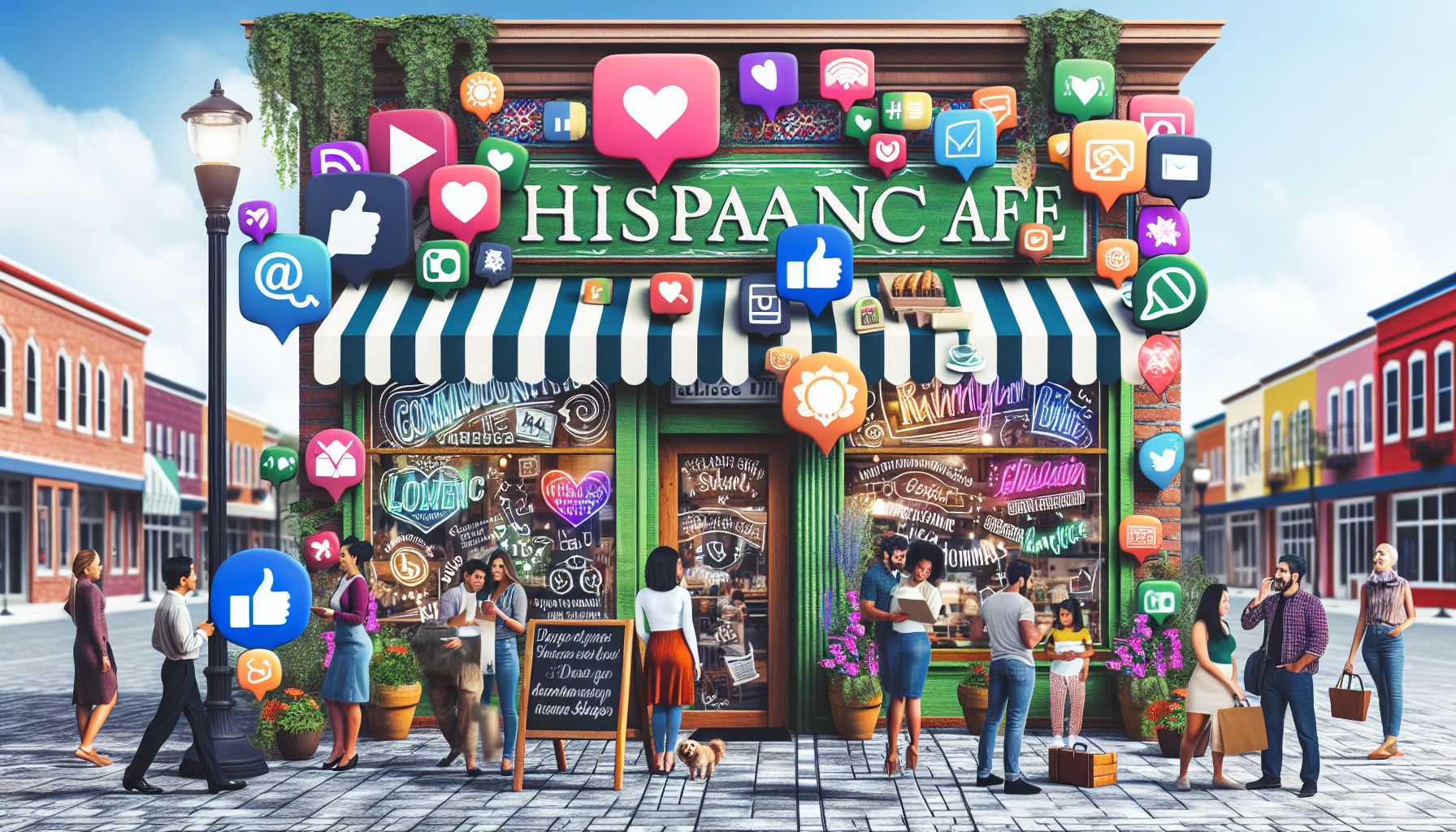
Social media is a powerful tool for connecting with your target audience and promoting your products or services. By creating engaging content that showcases your brand and interacts with your followers, you can build brand loyalty and drive traffic to your business. Consider creating a social media calendar to plan out your posts and stay consistent with your messaging.

Facebook, Instagram, and Twitter are popular platforms for local businesses to engage with their customers and promote special offers or events. You can also consider partnering with local influencers or running social media contests to increase your reach and engagement.

Local SEO

Search engine optimization (SEO) is essential for local businesses to appear in online searches and drive traffic to their websites. By optimizing your website with relevant keywords, meta tags, and local business listings, you can improve your search engine ranking and attract more local customers. Make sure your business name, address, and phone number are consistent across all online directories to boost your credibility with search engines.

Consider creating a Google My Business profile to appear in local search results and collect customer reviews. Encourage your satisfied customers to leave positive reviews on Google, Yelp, and other review sites to build trust with potential customers.

Email Marketing

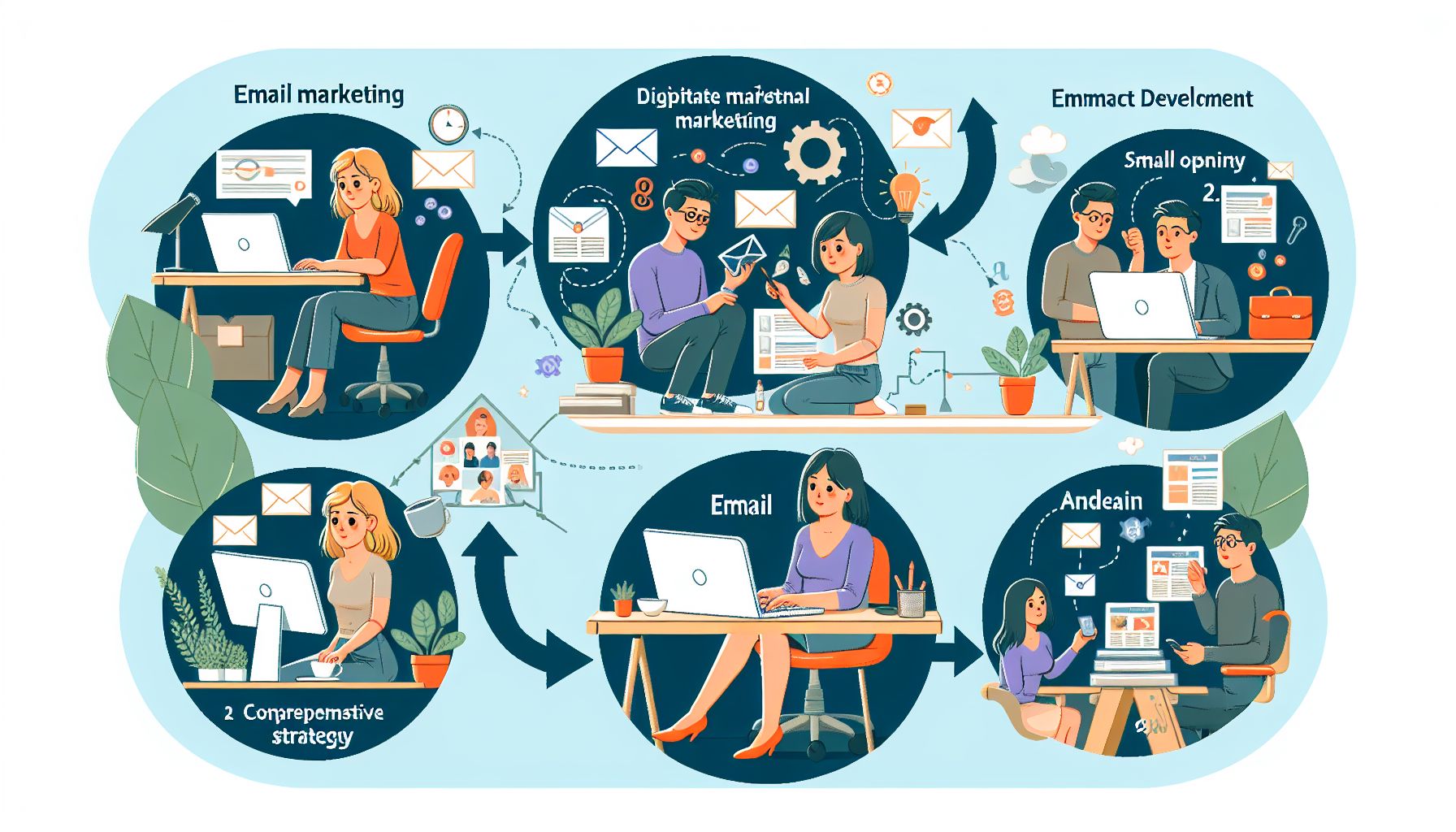
Email marketing is a cost-effective way to stay in touch with your customers and promote your products or services. By creating a monthly newsletter or sending out promotional emails, you can drive traffic to your website and increase sales. Make sure your emails are mobile-friendly and include a call-to-action that encourages recipients to visit your business or make a purchase.

Consider offering a discount or special promotion to subscribers who sign up for your email list to incentivize them to join. You can also segment your email list based on customer preferences or purchase history to personalize your marketing messages and increase engagement.

Local Events and Sponsorships

Hosting local events or sponsoring community organizations can help you connect with your target audience and increase brand awareness. Consider hosting a customer appreciation day or participating in a local charity event to show your support for the community. You can also collaborate with other local businesses to cross-promote each other and reach a wider audience.

By participating in local events and sponsorships, you can build relationships with customers and demonstrate your commitment to the community. Consider offering samples of your products or services at events to attract new customers and generate word-of-mouth referrals.

In conclusion, marketing ideas for local businesses can help you attract and retain customers in your community. By leveraging social media marketing, local SEO, email marketing, and local events and sponsorships, you can stand out from the competition and grow your business. Remember to track your marketing efforts and adjust your strategies based on what resonates with your target audience. With the right marketing strategies in place, you can build a loyal customer base and achieve long-term success for your local business.


#Growing Your Online Audience for Business: A Sales-Driven Approach

#Growing Your Online Audience for Business: A Sales-Driven Approach

Are you a business owner looking to expand your online presence and grow your audience? In today’s digital age, having a strong online following is crucial for success. With the right strategies and tactics in place, you can attract more customers, increase brand visibility, and ultimately drive sales. In this article, we will discuss how you can effectively grow your online audience for your business in a sales-driven tone.

Invest in Email Marketing

One of the most powerful tools for growing your online audience is email marketing. By collecting email addresses from your website visitors and existing customers, you can create a direct line of communication with them. This allows you to send targeted promotional messages, product updates, and special offers to keep them engaged and interested in your business.

Investing in a robust email marketing platform can help you automate your email campaigns and track their performance. By analyzing key metrics such as open rates, click-through rates, and conversion rates, you can optimize your email marketing strategy for maximum impact. Remember, the key to successful email marketing is to provide value to your subscribers and not overwhelm them with too many promotions.

Create Compelling Content

Another effective way to grow your online audience is to create high-quality, engaging content that resonates with your target audience. Whether it’s blog posts, videos, podcasts, or social media posts, content is king when it comes to attracting and retaining followers.

Invest time and resources into developing a content strategy that showcases your expertise, educates your audience, and entertains them. By consistently producing valuable content that solves their problems or entertains them, you can position your business as a trusted authority in your industry and attract a loyal following.

Utilize Social Media Advertising

In addition to organic content, you can also leverage social media advertising to expand your reach and attract new followers. Platforms like Facebook, Instagram, and LinkedIn offer powerful advertising tools that allow you to target specific demographics, interests, and behaviors to reach your ideal audience.

Investing in social media advertising can help you increase brand awareness, drive traffic to your website, and generate leads for your business. By creating compelling ad creative and targeting the right audience segments, you can maximize the effectiveness of your ad campaigns and grow your online audience.

Conclusion

Growing your online audience for your business requires a strategic and sales-driven approach. By investing in email marketing, creating compelling content, and utilizing social media advertising, you can attract more customers, increase brand visibility, and drive sales. Remember, building a strong online following takes time and effort, but the payoff is well worth it in the long run. By implementing these strategies and tactics, you can set your business up for success in the digital age.

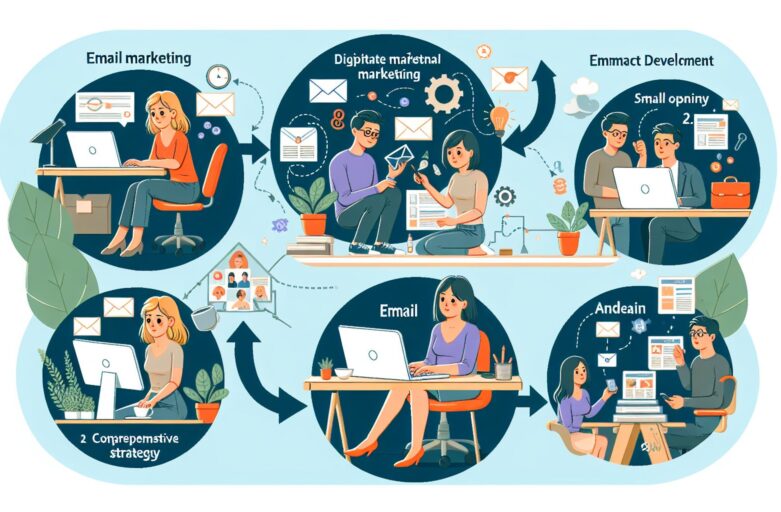
How Email Marketing Works

How Email Marketing Works

In today’s digital age, email marketing has become a crucial tool for businesses looking to reach their target audience effectively. But how exactly does email marketing work? Let’s delve into the process and explore the ins and outs of this powerful marketing strategy.

Introduction

Email marketing involves sending promotional messages or content to a group of people using email. This method allows businesses to communicate with their customers, promote products or services, and build brand awareness. But how does email marketing actually work? Let’s break it down step by step.

Body

Building an Email List

The first step in email marketing is building an email list. This involves collecting email addresses from individuals who have opted in to receive communications from your business. There are various ways to grow your email list, such as offering incentives like discounts or exclusive content in exchange for signing up.

Creating Engaging Content

Once you have a list of subscribers, the next step is to create engaging content that will resonate with your audience. This could include promotional offers, informative newsletters, or helpful tips related to your products or services. By providing valuable content, you can establish rapport with your subscribers and keep them engaged.

Sending Targeted Campaigns

Email marketing allows you to segment your email list based on various factors such as demographics, interests, or purchase history. This enables you to send targeted campaigns that are tailored to specific groups of subscribers. By sending relevant content to the right audience, you can increase the chances of conversions and drive engagement.

Tracking Performance

One of the key advantages of email marketing is the ability to track performance metrics. By monitoring metrics such as open rates, click-through rates, and conversion rates, you can assess the effectiveness of your campaigns and make data-driven decisions to improve results. This data can also help you understand your audience better and refine your strategies for future campaigns.

Paid Traffic and Cost Per Lead

In addition to growing your email list organically, you can also use paid advertising to increase your reach. Paid traffic refers to traffic that is generated through paid channels such as social media ads or Google AdWords. By investing in paid traffic, you can expand your audience and attract new subscribers to your email list.

Cost per lead (CPL) is a metric that measures the cost of acquiring a new lead through your marketing efforts. By calculating your CPL, you can determine the effectiveness of your campaigns and optimize your budget allocation to maximize ROI. This metric can help you make informed decisions about where to invest your resources for the best results.

Conclusion

In conclusion, email marketing is a powerful tool for businesses looking to engage with their audience, promote their products or services, and drive conversions. By building an email list, creating engaging content, sending targeted campaigns, and tracking performance metrics, businesses can leverage the power of email marketing to achieve their marketing goals. And with the use of paid traffic and cost per lead metrics, businesses can further optimize their email marketing strategies for success.

Marketing Ideas for Local Businesses

Marketing Ideas for Local Businesses

When it comes to marketing your local business, it can be overwhelming to decide where to allocate your resources for the best ROI. With so many options available, it’s important to choose strategies that will effectively reach your target audience and drive results. In this blog post, we’ll explore some creative marketing ideas for local businesses that can help you generate leads and increase brand awareness in your community.

Utilize Local SEO

One of the most effective ways to attract local customers to your business is through local search engine optimization (SEO). By optimizing your website with local keywords, creating a Google My Business listing, and consistently updating your online citations, you can increase your visibility in local search results. This can help drive organic traffic to your website and increase your chances of converting leads into customers.

Host Local Events

Hosting local events is a great way to engage with your community and attract new customers to your business. Whether it’s a grand opening celebration, a customer appreciation day, or a workshop related to your industry, events can help you connect with potential customers on a personal level. Promote your events through social media, local publications, and email marketing to maximize attendance and generate leads.

Partner with Local Influencers

Collaborating with local influencers can help you reach a wider audience and build credibility for your brand. Look for influencers in your community who have a large following on social media or a popular blog. Reach out to them to discuss potential partnerships, such as sponsored posts, giveaways, or event promotions. This can help you tap into their audience and generate leads for your business.

Offer Incentives for Referrals

Word-of-mouth marketing is still one of the most powerful ways to attract new customers to your business. Encourage your existing customers to refer their friends and family by offering incentives such as discounts, freebies, or exclusive promotions. This can help you generate leads at a low cost per lead while also rewarding your loyal customers for their support.

Invest in Local Advertising

While digital marketing is essential for reaching a wider audience, don’t overlook the power of traditional local advertising. Consider investing in local radio ads, newspaper ads, or direct mail campaigns to target customers in your area. By combining online and offline marketing strategies, you can maximize your reach and increase your brand visibility in the local community.

Conclusion

Marketing your local business doesn’t have to be expensive or complex. By utilizing local SEO, hosting events, partnering with influencers, offering incentives for referrals, and investing in local advertising, you can effectively reach your target audience and generate leads for your business. Remember to track your marketing efforts to determine which strategies are most effective and adjust your approach accordingly. With a strategic marketing plan in place, you can increase brand awareness, attract new customers, and grow your business in the local market.

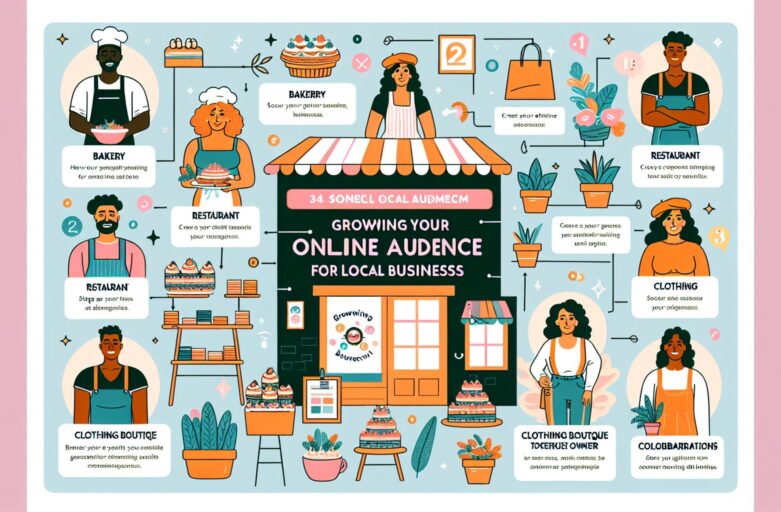
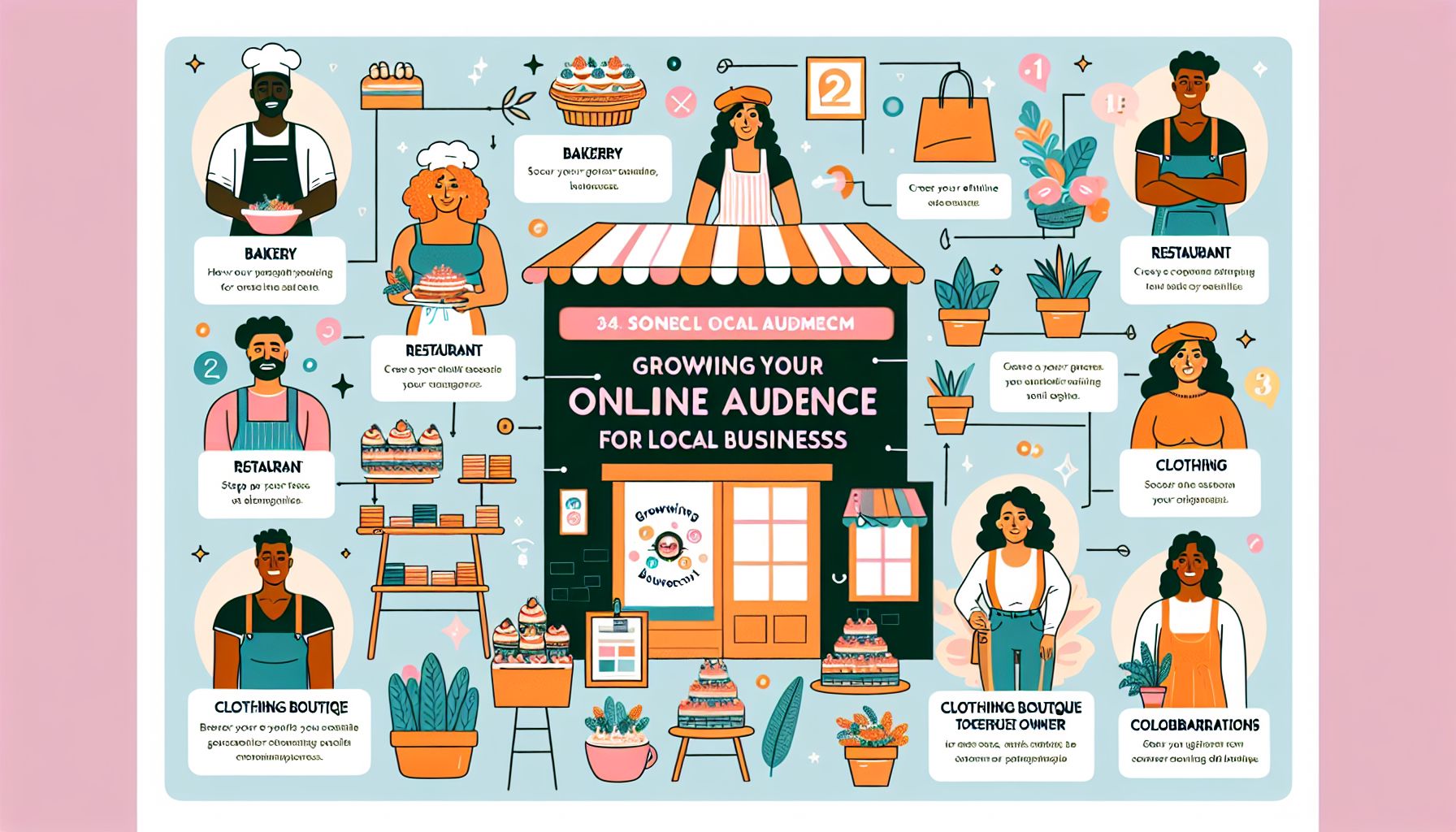
Growing Your Online Audience for Local Businesses

Growing Your Online Audience for Local Businesses

Welcome to the world of online marketing, where the possibilities are endless and the opportunities for growth are abundant. As a local business owner, expanding your online audience is crucial to increasing brand awareness, attracting new customers, and boosting your sales. With the right strategies and a bit of effort, you can reach a larger audience and take your business to the next level. Here are some tips to help you grow your online presence:

1. Create Engaging Content

One of the best ways to attract and retain online followers is by creating engaging content that is relevant to your target audience. Share informative articles, helpful tips, and entertaining videos that showcase your products or services. Be sure to use captivating headlines and high-quality images to grab the attention of your audience.

2. Utilize Social Media Platforms

Social media is a powerful tool for reaching a wider audience and connecting with potential customers. Create profiles on popular platforms such as Facebook, Instagram, and Twitter, and engage with your followers regularly. Share updates about your business, respond to comments and messages, and run special promotions to increase your online following.

3. Collaborate with Influencers

Partnering with influencers in your local community can help you reach a larger audience and boost your online presence. Look for influencers who align with your brand values and have a strong following on social media. Offer them free products or services in exchange for promoting your business to their followers.

4. Invest in Paid Advertising

While organic reach is important, investing in paid advertising can help you reach a larger audience and drive more traffic to your website or social media profiles. Consider running targeted ads on platforms like Google Ads or Facebook Ads to reach potential customers in your local area.

5. Offer Incentives for Online Engagement

Encourage your followers to engage with your online content by offering incentives such as discounts, giveaways, or exclusive promotions. Host contests on social media, ask for feedback on new products or services, or create a loyalty program for your most active online followers.

6. Monitor Your Progress and Adjust Your Strategies

It’s important to track the success of your online marketing efforts and make adjustments as needed. Use analytics tools to monitor your website traffic, social media engagement, and conversion rates. Pay attention to what is working and what isn’t, and make changes to your strategies accordingly.

In conclusion, growing your online audience for your local business is key to increasing brand visibility and attracting new customers. By creating engaging content, utilizing social media, collaborating with influencers, investing in paid advertising, offering incentives for online engagement, and monitoring your progress, you can expand your online presence and take your business to new heights. So, roll up your sleeves, get creative, and start growing your online audience today!

Growing a Following on Social Media for Local Businesses

Growing a Following on Social Media for Local Businesses

In today’s digital age, social media has become a crucial tool for businesses looking to connect with their target audience. With the right strategy, local businesses can effectively grow their following on social media and reach new customers. In this article, we will explore some tips and tricks to help local businesses boost their social media presence and attract more followers.

Create Engaging Content

One of the key ways to grow a following on social media is by creating engaging content that resonates with your target audience. This can include a mix of photos, videos, and written posts that showcase your products or services in a compelling way. By consistently posting high-quality content, you can keep your followers engaged and encourage them to interact with your brand.

Engage with Your Audience

In addition to creating great content, it’s important to actively engage with your audience on social media. Respond to comments and messages in a timely manner, and participate in conversations to show that you care about your followers. By building strong relationships with your audience, you can foster loyalty and encourage them to share your content with their own followers.

Leverage Email Marketing

Another effective way to grow your social media following is by leveraging email marketing. By including social media buttons in your emails and encouraging subscribers to follow you on platforms like Facebook, Twitter, and Instagram, you can drive traffic to your social media profiles and attract new followers. Additionally, you can use email marketing to promote special offers or contests that incentivize people to follow your business on social media.

Collaborate with Influencers

Collaborating with influencers in your industry can also help you grow your social media following. By partnering with influencers who have a large following of their own, you can reach new audiences and attract more followers to your social media profiles. Be sure to choose influencers whose values align with your brand and who have a genuine interest in your products or services.

Run Contests and Giveaways

Running contests and giveaways is another effective strategy for growing your social media following. By offering prizes in exchange for likes, shares, or follows, you can incentivize people to engage with your brand on social media and attract new followers. Be sure to promote your contests across all of your social media platforms and encourage participants to tag their friends for extra entries.

Conclusion

Growing a following on social media for local businesses requires a combination of engaging content, active audience engagement, and strategic marketing tactics. By creating compelling content, engaging with your audience, leveraging email marketing, collaborating with influencers, and running contests and giveaways, you can attract new followers and build a strong social media presence for your business. With dedication and consistency, you can grow your following on social media and connect with more customers in your local community.

Unlocking the Power of SEO for Your Small Business

Unlocking the Power of SEO for Your Small Business

Are you struggling to attract new customers to your small business? Is your online presence lacking the visibility it deserves? If so, it may be time to take a closer look at your SEO strategy. Search Engine Optimization (SEO) is a powerful tool that can help your business climb the rankings on search engines like Google, increasing your online visibility and driving more traffic to your website. In this article, we’ll explore how SEO works for small businesses and how it can benefit your bottom line.

How SEO Works

SEO is the process of optimizing your website so that it ranks higher in search engine results for relevant keywords. When a potential customer types a query into Google, the search engine scans the vast expanse of the internet to find the most relevant and authoritative websites to display. By optimizing your website with high-quality content, targeted keywords, and strategic link-building, you can improve your chances of appearing on the first page of search results.

For small businesses, this is especially important as it can level the playing field with larger competitors. With the right SEO strategy in place, your business can outrank bigger players in your industry, attracting more organic traffic and potential customers to your website.

The Benefits of SEO for Small Businesses

So why should you invest in SEO for your small business? The benefits are numerous and can have a significant impact on your bottom line. Here are just a few reasons why SEO is essential for small businesses:

Increased Online Visibility

By ranking higher in search engine results, your website will be more visible to potential customers searching for products or services like yours. This increased visibility can lead to more website traffic, more leads, and ultimately more sales for your business.

Improved Credibility and Trust

Websites that appear at the top of search results are often seen as more credible and trustworthy by consumers. By investing in SEO, you can build your authority in your industry and establish trust with your target audience.

Cost-Effective Marketing

SEO is a cost-effective marketing strategy for small businesses, as it can deliver long-term results without the need for hefty advertising budgets. By consistently optimizing your website for search engines, you can attract a steady stream of organic traffic without breaking the bank.

Getting Started with SEO

If you’re ready to take your small business to the next level with SEO, there are a few key steps you can take to get started. First, conduct keyword research to identify the phrases and terms that potential customers are searching for online. Next, optimize your website with these keywords, ensuring that your content is relevant and engaging for your target audience.

Additionally, focus on building high-quality backlinks from reputable websites in your industry. These links can help boost your website’s authority and signal to search engines that your content is valuable and trustworthy.

Conclusion

In conclusion, SEO is a powerful marketing tool for small businesses that can drive organic traffic, improve online visibility, and increase sales. By investing in a solid SEO strategy, you can level the playing field with larger competitors and establish your business as a trusted authority in your industry. So what are you waiting for? Start optimizing your website for search engines today and watch your business soar to new heights!

How Email Marketing Works for Small Business Owners

How Email Marketing Works for Small Business Owners

Email marketing is a powerful tool that small business owners can use to effectively reach and engage with their target audience. By sending personalized and targeted emails to their customers, small businesses can drive traffic to their website, increase sales, and build customer loyalty. In this article, we will discuss how email marketing works for small business owners and how they can leverage this marketing strategy to grow their business.

How Email Marketing Works

Email marketing involves sending emails to a group of people who have given permission to receive updates and promotions from a business. These emails can vary in content, from promotional offers and discounts to informative newsletters and updates. By collecting email addresses from customers who have visited their website or made a purchase, small businesses can create a database of contacts to target with their email campaigns.

Small businesses can use email marketing platforms like Mailchimp, Constant Contact, or AWeber to create and send emails to their subscribers. These platforms provide templates for designing professional-looking emails, as well as tools for managing contact lists and tracking the performance of email campaigns. By analyzing metrics like open rates, click-through rates, and conversion rates, small business owners can gain insights into the effectiveness of their email marketing efforts and make adjustments as needed to improve results.

Benefits of Email Marketing for Small Business Owners

There are several benefits of using email marketing to promote a small business. One of the main advantages is the ability to reach a targeted audience with personalized content. By segmenting their email list based on customer preferences and behaviors, small business owners can send relevant and engaging emails that are more likely to resonate with recipients. This can lead to higher open and click-through rates, as well as increased sales and customer satisfaction.

Another benefit of email marketing is the cost-effectiveness of this marketing strategy. Compared to traditional forms of advertising like print or TV ads, email marketing is relatively inexpensive and offers a high return on investment. Small businesses can create and send emails to thousands of subscribers at a fraction of the cost of other marketing channels, making it an affordable option for businesses with limited budgets.

Tips for Successful Email Marketing Campaigns

To make the most of their email marketing efforts, small business owners should follow some best practices to ensure success. Firstly, it is important to create engaging and relevant content that provides value to subscribers. Whether it’s a special offer, a new product announcement, or a helpful tip, the content of emails should be tailored to meet the needs and interests of the target audience.

Additionally, small business owners should pay attention to the design and layout of their emails to ensure they are visually appealing and easy to read. Using eye-catching images, clear calls to action, and mobile-responsive templates can help improve engagement and drive conversions. Lastly, it is essential to track and analyze the performance of email campaigns to optimize future efforts and achieve better results.

In conclusion, email marketing is a valuable tool for small business owners to connect with customers and drive business growth. By creating personalized and targeted email campaigns, small businesses can engage with their audience, increase brand awareness, and boost sales. By following best practices and using email marketing platforms, small business owners can effectively leverage this marketing strategy to achieve their business goals.

Are Call Centers Still Effective for a Cold Audience?

Are Call Centers Still Effective for a Cold Audience?

If you’re a business owner looking to reach out to new customers, you may be wondering if call centers are still an effective way to connect with a cold audience. With the rise of digital marketing and social media, some may argue that traditional call centers are becoming outdated. However, before you write off this tried and true method of customer outreach, consider the following reasons why call centers can still be a valuable tool in your marketing arsenal.

Personal Connection

One of the biggest advantages of using call centers to reach out to a cold audience is the personal connection they provide. While email and social media marketing can be effective in reaching a large number of people, they lack the personal touch that comes with speaking directly to a potential customer. By engaging in a conversation over the phone, you have the opportunity to tailor your pitch to the individual on the other end of the line, making them feel valued and heard.

Instant Feedback

Another benefit of using call centers for cold outreach is the instant feedback they provide. With email and social media campaigns, it can take days or even weeks to see the results of your efforts. However, with a call center, you can quickly gauge the effectiveness of your messaging based on the responses you receive. This real-time feedback allows you to make adjustments to your pitch on the fly, maximizing the impact of your marketing efforts.

Build Relationships

Call centers offer a unique opportunity to build relationships with potential customers. By engaging in a conversation with someone over the phone, you have the chance to address their concerns, answer their questions, and provide personalized recommendations based on their needs. This level of customer service can go a long way in building trust and loyalty, ultimately leading to higher conversion rates and long-term customer relationships.

The Value Ladder

When it comes to marketing strategies, the value ladder is a concept that shouldn’t be overlooked. A value ladder is a tool that allows you to map out your products or services in a way that guides customers from lower-priced offerings to higher-priced ones. Call centers can be a valuable tool in moving customers up your value ladder by upselling and cross-selling additional products or services during a phone conversation. This personalized approach to sales can help increase customer lifetime value and maximize your revenue potential.

Conclusion

In conclusion, call centers can still be an effective way to reach out to a cold audience. By providing a personal connection, instant feedback, and the opportunity to build relationships with potential customers, call centers offer a unique and valuable tool in your marketing toolkit. Additionally, utilizing call centers as part of your value ladder strategy can help increase customer lifetime value and drive revenue growth. So before you discount the power of the phone call in today’s digital world, consider the benefits that call centers can bring to your marketing efforts.

How Social Media Can Boost Your Business as an Influencer

How Social Media Can Boost Your Business as an Influencer

Hey there, aspiring social media influencer! Are you looking to take your business to the next level? Well, you’re in luck because social media is your best friend when it comes to growing your brand and reaching a wider audience. Let’s dive into how social media can work wonders for your business.

Introduction

In today’s digital age, social media has become a powerful tool for businesses to connect with their target audience. As an influencer, you have the unique opportunity to leverage social media platforms to increase your visibility, engage with your followers, and ultimately grow your business.

Building Your Brand

One of the key benefits of using social media for your business is the ability to build your brand. By creating a cohesive and consistent online presence, you can establish yourself as an authority in your niche and differentiate yourself from competitors. Use platforms like Instagram, TikTok, and YouTube to showcase your personality and expertise, and engage with your followers through content that resonates with them.

Engaging with Your Audience

Social media also allows you to engage with your audience in a way that traditional marketing channels cannot. Through comments, DMs, and live streams, you can connect with your followers on a personal level, build relationships, and gain valuable feedback on your products or services. By fostering meaningful interactions with your audience, you can create a loyal community that will support your business.

Driving Sales

Ultimately, the goal of using social media for your business is to drive sales. By strategically promoting your products or services on platforms like Facebook, Twitter, and Pinterest, you can reach a wider audience and convert followers into customers. Use compelling visuals, persuasive copy, and calls to action to entice your audience to make a purchase and take advantage of special promotions or discounts to incentivize conversions.

Measuring Success

To ensure that your social media efforts are paying off, it’s important to track your performance and measure key metrics. Use tools like Google Analytics, Hootsuite, and Sprout Social to monitor your engagement, reach, and conversion rates, and adjust your strategy accordingly. By analyzing your data and making data-driven decisions, you can optimize your social media campaigns and maximize your ROI.

Conclusion

In conclusion, social media is a powerful tool for businesses, and as an influencer, you have the opportunity to leverage it to grow your brand and reach a wider audience. By building your brand, engaging with your audience, driving sales, and measuring success, you can take your business to the next level and achieve your goals. So go ahead, embrace social media, and watch your business soar!

So what are you waiting for? Start harnessing the power of social media for your business today and watch your brand reach new heights! Cheers to your success as a social media influencer!