How to Grow a Following on Social Media for Business Owners

How to Grow a Following on Social Media for Business Owners

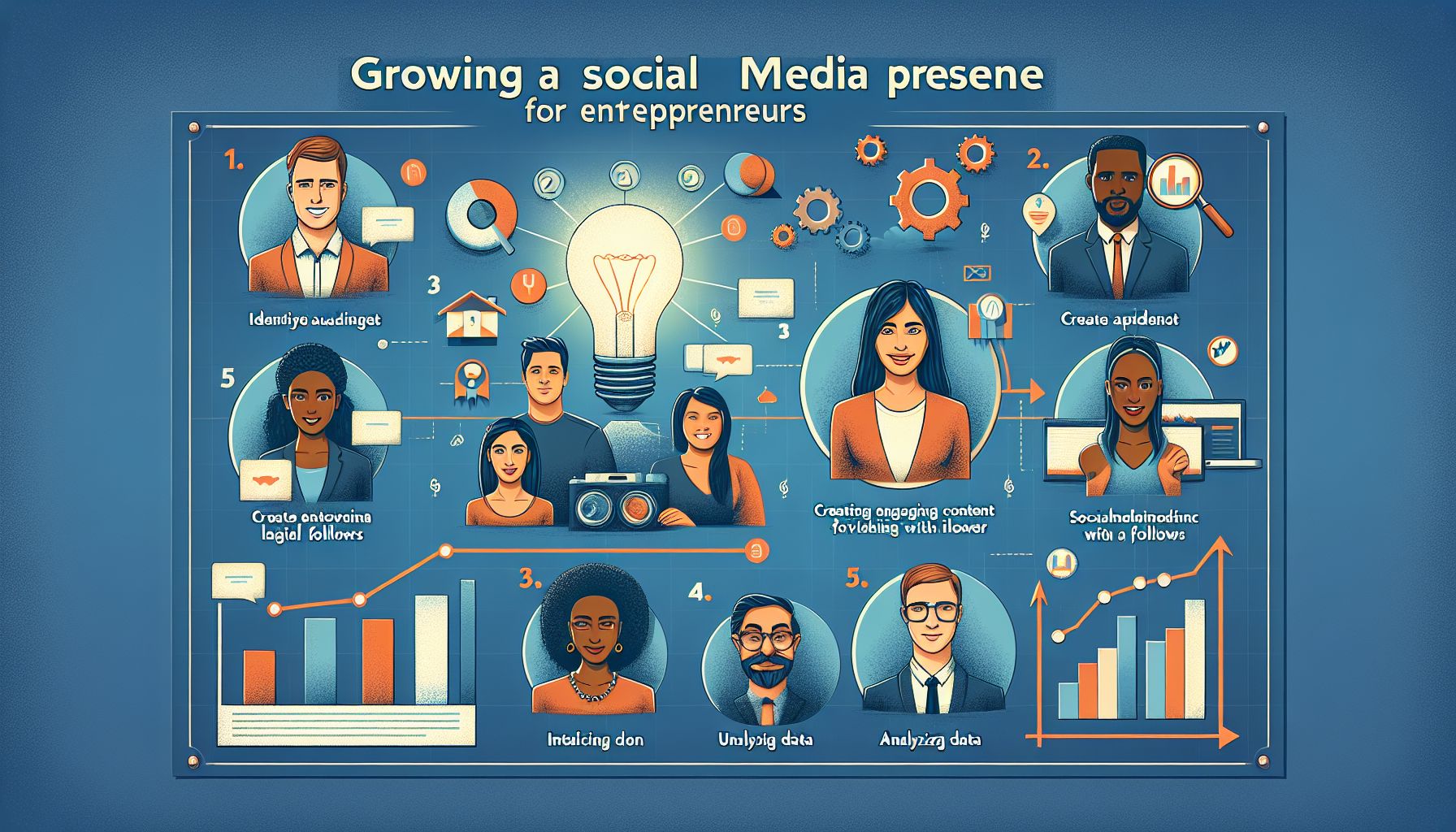
In today’s digital age, having a strong presence on social media is crucial for businesses looking to reach a larger audience and drive sales. But building a following on platforms like Instagram, Facebook, and Twitter can be a daunting task. Luckily, there are several strategies business owners can use to grow their social media following and engage with their target audience.

Introduction

Social media has become a powerful marketing tool for businesses of all sizes. With millions of users active on platforms like Instagram, Facebook, and Twitter every day, the potential to reach a large audience is immense. However, growing a following on social media takes time, effort, and strategic planning. In this blog post, we will discuss some effective strategies that business owners can use to grow their social media following and ultimately drive sales.

Body

1. Define your target audience

Before you start trying to grow your social media following, it’s essential to have a clear understanding of who your target audience is. By defining your target demographic, you can tailor your content and messaging to appeal to their interests and preferences. This will help you attract the right followers who are more likely to engage with your brand.

2. Post quality content regularly

Consistency is key when it comes to growing a social media following. Make sure to post high-quality, engaging content regularly to keep your audience interested and coming back for more. Whether it’s informative blog posts, eye-catching images, or entertaining videos, make sure your content is relevant to your target audience and adds value to their lives.

3. Engage with your audience

Social media is a two-way street, so it’s essential to engage with your followers regularly. Respond to comments, messages, and mentions promptly, and show your appreciation for their support. By building relationships with your audience, you can create a loyal following that is more likely to share your content and recommend your brand to others.

4. Collaborate with influencers

Influencer marketing can be a powerful tool for growing your social media following. Collaborating with influencers in your niche can help expose your brand to a larger audience and build credibility with potential followers. Consider reaching out to influencers who align with your brand values and have a significant following to maximize the impact of your collaborations.

5. Use email marketing

Email marketing is another effective way to grow your social media following. By collecting email addresses from your customers and website visitors, you can send targeted campaigns promoting your social media channels and encouraging them to follow you. Offering exclusive discounts or sneak peeks of upcoming content can incentivize people to engage with your brand on social media.

6. Offer competitive price points

When it comes to attracting followers on social media, offering competitive price points can be a game-changer. Consider running promotions or discounts exclusively for your social media followers to incentivize them to engage with your brand. By providing value to your audience and showing appreciation for their support, you can build a loyal following that will help drive sales and grow your business.

Conclusion

Growing a following on social media requires time, effort, and strategic planning. By defining your target audience, posting quality content regularly, engaging with your audience, collaborating with influencers, using email marketing, and offering competitive price points, business owners can effectively grow their social media following and drive sales. Remember, building a loyal following takes time, so be patient and stay consistent with your efforts. With the right strategies in place, you can reach a larger audience and achieve your business goals through social media marketing.
How Internet Marketing Works for Local Businesses

How Internet Marketing Works for Local Businesses

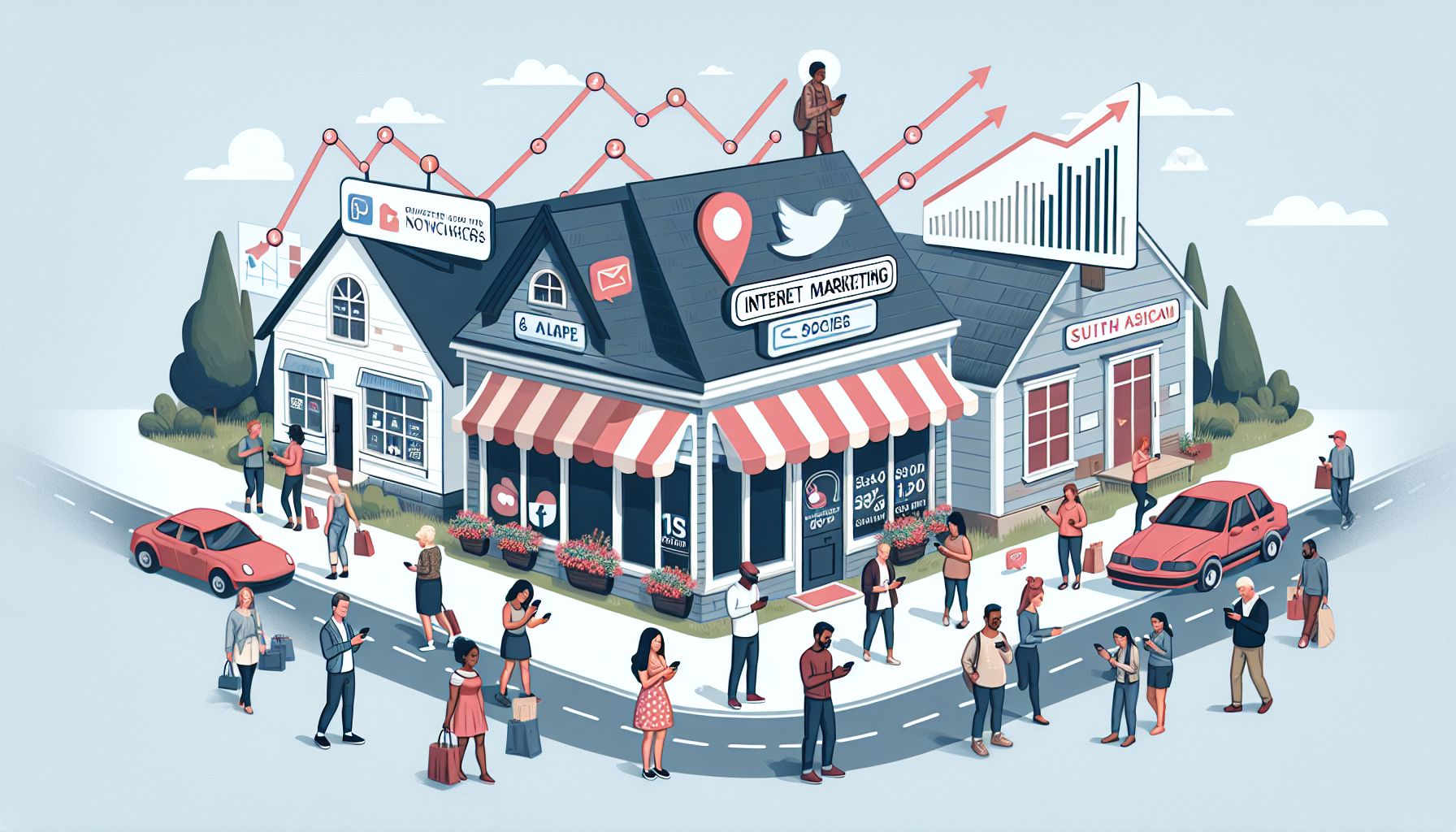
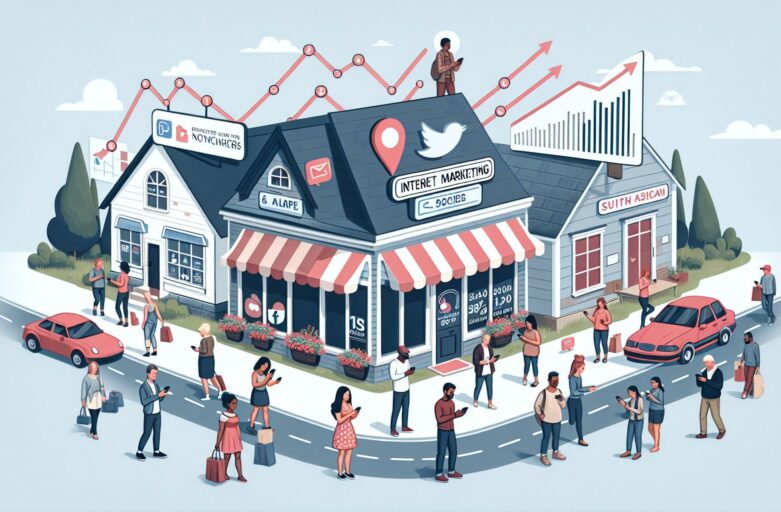
In today’s digital age, having a strong online presence is essential for any local business looking to attract new customers and grow their brand. Internet marketing offers a wide range of strategies and tools that can help businesses reach their target audience, increase their visibility, and ultimately drive sales. In this blog post, we will explore how internet marketing works for local businesses and provide some tips on how to effectively utilize these strategies.

Introduction to Internet Marketing

Internet marketing encompasses a variety of tactics aimed at promoting a business and its products or services online. This can include social media marketing, search engine optimization (SEO), pay-per-click advertising, email marketing, and more. For local businesses, internet marketing offers a cost-effective way to reach potential customers in their target area and drive traffic to their website or physical store.

One key aspect of internet marketing for local businesses is email marketing. By building an email list of subscribers who have opted in to receive news and updates from your business, you can reach out to them with targeted promotions, discounts, and other offers. Email marketing allows you to stay top of mind with your customers and encourage repeat business.

The Power of Video Sales Letters

Another effective tool in the internet marketer’s arsenal is the video sales letter. A video sales letter is a video presentation that showcases your products or services in an engaging and persuasive way. By creating a compelling video that highlights the benefits of your offerings, you can capture the attention of potential customers and drive them to take action, whether that’s making a purchase or contacting your business for more information.

Video sales letters are particularly effective for local businesses, as they allow you to showcase your products or services in a visually appealing way and make a personal connection with your audience. By incorporating video into your internet marketing strategy, you can stand out from the competition and create a memorable impression on potential customers.

Making Internet Marketing Work for Your Local Business

So how can you make internet marketing work for your local business? Here are a few tips to help you get started:

  1. Optimize Your Website for Local Search: Make sure your website is optimized for local search by including relevant keywords, creating location-specific content, and claiming your Google My Business listing.

  2. Use Social Media to Engage with Customers: Social media platforms like Facebook, Instagram, and Twitter are great tools for connecting with your audience, sharing updates and promotions, and building brand loyalty.

  3. Implement Email Marketing Campaigns: Build an email list of subscribers and send out regular newsletters with promotions, discounts, and other offers to keep customers engaged and coming back for more.

  4. Create Engaging Video Content: Incorporate video into your internet marketing strategy to showcase your products or services in a visually compelling way and make a lasting impression on potential customers.

By utilizing these internet marketing strategies, local businesses can effectively reach their target audience, drive traffic to their website or store, and ultimately increase sales and brand awareness. With the right mix of tactics and a well-defined strategy, internet marketing can be a powerful tool for growing your business in today’s competitive marketplace.

In conclusion, internet marketing offers a wealth of opportunities for local businesses to reach their target audience, increase their visibility, and drive sales. By incorporating tactics like email marketing and video sales letters into your strategy, you can engage with customers, showcase your offerings, and stand out from the competition. With the right approach and a focus on providing value to your audience, internet marketing can help local businesses thrive in the digital age.

Top Marketing Ideas for Online Businesses: Reaching Out to Cold Audiences

Top Marketing Ideas for Online Businesses: Reaching Out to Cold Audiences

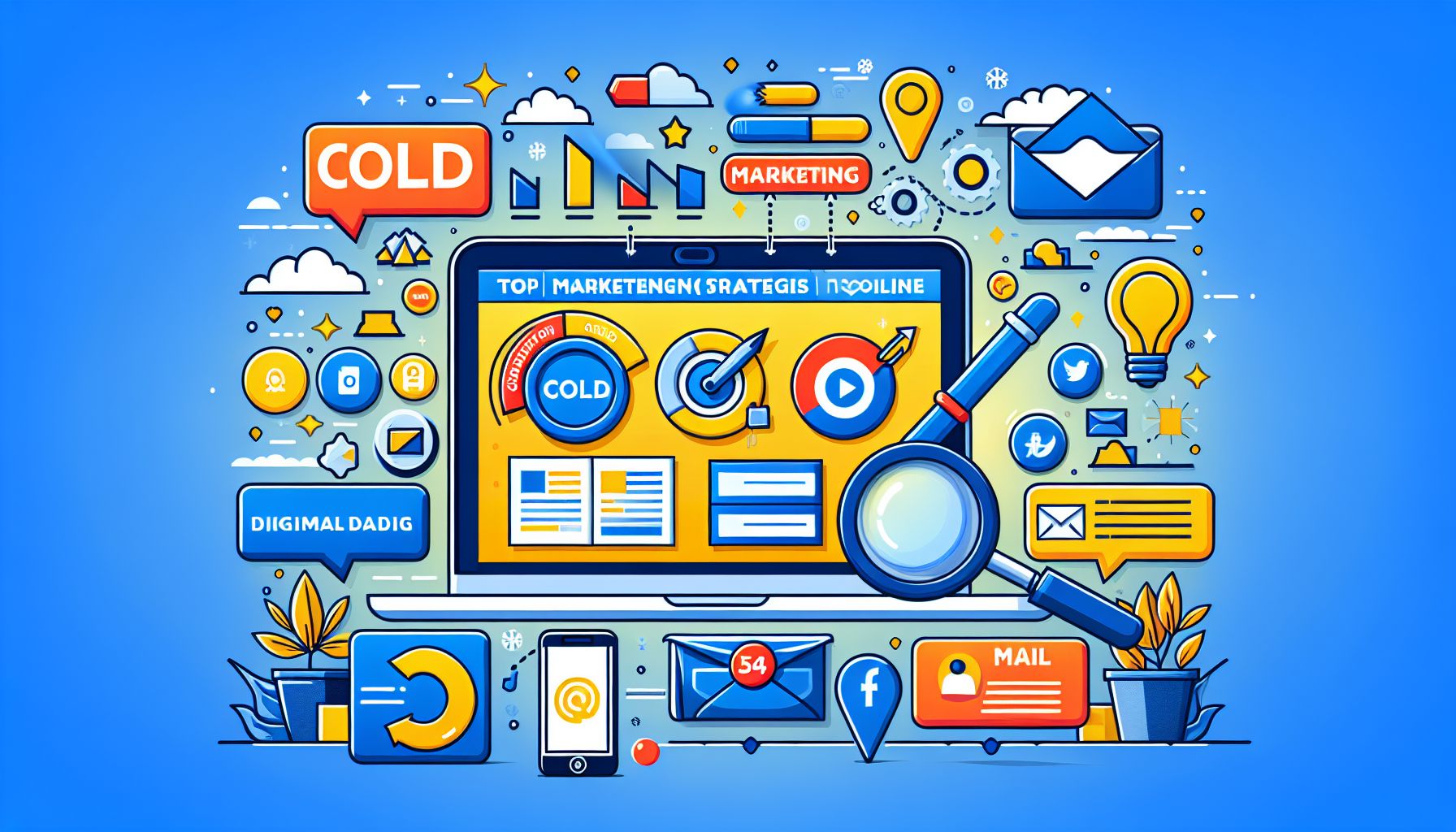
As an online business, one of the key challenges you face is reaching out to new audiences who may not be familiar with your brand or products. These cold audiences represent a great opportunity for growth, but they require a different approach to marketing than warm audiences who are already familiar with your offerings. In this blog post, we will explore some top marketing ideas for online businesses looking to reach out to cold audiences in a professional tone of voice.

Paid Advertising

One of the most effective ways to reach cold audiences is through paid advertising. By using platforms such as Google Ads, Facebook Ads, or LinkedIn Ads, you can target specific demographics, interests, and behaviors to reach potential customers who may be interested in your products or services. One key metric to consider when using paid advertising is cost per lead (CPL), which measures the effectiveness of your campaigns in generating new leads. By tracking your CPL and optimizing your campaigns accordingly, you can ensure that you are getting the most out of your advertising budget.

Content Marketing

Content marketing is another powerful tool for reaching out to cold audiences. By creating high-quality, valuable content such as blog posts, videos, or infographics, you can attract new visitors to your website and build trust with potential customers. One key strategy to consider when using content marketing is to offer a lead magnet, such as a free e-book or webinar, in exchange for a visitor’s contact information. This allows you to capture leads from your content and nurture them through your sales funnel.

Email Marketing

Email marketing is a great way to engage with cold audiences and nurture them into paying customers. By sending targeted, personalized emails to new leads, you can educate them about your products or services, build trust with your brand, and ultimately drive conversions. One key metric to consider when using email marketing is conversion rate, which measures the percentage of leads who take a desired action, such as making a purchase or signing up for a free trial. By tracking your conversion rate and optimizing your email campaigns accordingly, you can maximize the return on your email marketing efforts.

Influencer Marketing

Influencer marketing is a powerful strategy for reaching out to cold audiences and building brand awareness. By partnering with influencers in your industry who have a large and engaged following, you can reach new audiences and generate buzz around your products or services. One key metric to consider when using influencer marketing is return on investment (ROI), which measures the revenue generated from your influencer campaigns compared to the cost of working with the influencer. By tracking your ROI and collaborating with influencers who align with your brand values, you can ensure that you are getting the best results from your influencer marketing efforts.

In conclusion, reaching out to cold audiences as an online business requires a strategic approach to marketing. By using paid advertising, content marketing, email marketing, and influencer marketing, you can effectively engage with new audiences, generate leads, and drive conversions. By tracking key metrics such as cost per lead and conversion rate, you can optimize your marketing efforts and achieve success in reaching out to cold audiences.

Building Your Dream: Starting a Small Business

Building Your Dream: Starting a Small Business

Hey there, entrepreneurs! Are you ready to turn your passion into a thriving small business? Building a small business from the ground up can be both exciting and daunting, but with a clear plan and a positive attitude, you can achieve your dreams of being your own boss. In this blog post, we will explore the steps you need to take to bring your small business vision to life.

The Power of Passion

Before you dive into the logistics of starting a small business, it’s important to identify your passion. What are you truly passionate about? What skills or talents do you possess that you can turn into a business? Starting a small business requires dedication and hard work, so choosing a venture that aligns with your interests will make the journey more fulfilling.

Research and Planning

Once you have honed in on your passion, it’s time to conduct thorough research and create a solid business plan. Research your target market, competition, and industry trends to identify gaps and opportunities for your business. Your business plan will serve as a roadmap for your small business, outlining your goals, strategies, and financial projections.

Financial Considerations

Every small business requires an initial investment to get off the ground. Consider your start-up costs, such as equipment, inventory, and marketing expenses. You may need to secure funding through loans, investors, or personal savings. It’s important to have a clear understanding of your financial situation and be realistic about your budget to ensure the success of your small business.

Building Your Brand

Building a strong brand is essential for the success of your small business. Your brand is more than just a logo – it includes your business’s values, mission, and unique selling proposition. Choose a name that reflects your brand identity and create a visually appealing logo and website. Consistent branding across all communication channels will help you stand out in a crowded market.

Marketing and Sales

Marketing is essential for attracting customers to your small business. Develop a marketing strategy that includes a mix of online and offline tactics, such as social media, email marketing, and networking events. Don’t be afraid to promote your products or services – sales are the lifeblood of any business. Offer promotions or discounts to entice customers and build a loyal client base.

Embracing Challenges

Building a small business is not without its challenges. You may face setbacks, competition, or unexpected hurdles along the way. It’s important to stay resilient and adaptable in the face of adversity. Seek feedback from customers and industry experts, and be willing to pivot your business strategy if necessary. Remember, every challenge is an opportunity for growth and innovation.

Conclusion

Starting a small business is a rewarding journey that requires passion, planning, and perseverance. By following these steps and staying true to your vision, you can build a successful small business that reflects your unique talents and values. Embrace the challenges, celebrate the victories, and never lose sight of your dream. Your small business is just a few steps away from becoming a reality. Let’s make it happen!

How to Grow a Following on Social Media for Business Owners

How to Grow a Following on Social Media for Business Owners

In today’s digital age, having a strong presence on social media is crucial for any business owner looking to reach a wider audience and increase brand awareness. Growing a following on social media can seem daunting at first, but with the right strategies and tactics, it is entirely possible to expand your reach and attract more customers. In this blog post, we will discuss some effective ways for business owners to grow their following on social media.

Utilize Digital Marketing

One of the most effective ways to grow a following on social media is by utilizing digital marketing techniques. Digital marketing encompasses a wide range of strategies, including social media marketing, search engine optimization (SEO), content marketing, email marketing, and more. By leveraging these digital marketing strategies, business owners can reach a larger audience and attract more followers to their social media profiles.

For example, creating engaging and high-quality content that is relevant to your target audience can help attract more followers to your social media profiles. By posting valuable and informative content regularly, you can establish yourself as an industry expert and attract a loyal following of customers who are interested in your products or services.

Implement Video Sales Letters

Another effective strategy for growing a following on social media is by implementing video sales letters. Video sales letters are short, engaging videos that promote your products or services to a targeted audience. By creating compelling video sales letters that showcase the benefits of your products or services, you can attract more followers and generate leads for your business.

Video sales letters are especially effective on social media platforms like Instagram, Facebook, and TikTok, where visual content performs well and attracts more engagement from users. By incorporating video sales letters into your social media marketing strategy, you can increase brand awareness and attract more followers to your profiles.

Engage with Your Audience

In addition to utilizing digital marketing and video sales letters, engaging with your audience is essential for growing a following on social media. Responding to comments, messages, and mentions from your followers shows that you care about their feedback and value their input. By engaging with your audience on a regular basis, you can build stronger relationships with your followers and attract new followers to your social media profiles.

Encouraging user-generated content is another effective way to engage with your audience and grow your following on social media. By encouraging your followers to share photos, videos, and testimonials about your products or services, you can increase brand visibility and attract more followers to your social media profiles.

Conclusion

Growing a following on social media for business owners requires a combination of digital marketing strategies, video sales letters, and audience engagement. By implementing these tactics and techniques, business owners can expand their reach, attract more customers, and increase brand awareness on social media platforms. Remember to create valuable and engaging content, utilize video sales letters, and engage with your audience to grow your following on social media successfully.

The Best Way to Market Your Business Online for Social Media Influencers

The Best Way to Market Your Business Online for Social Media Influencers

In today’s digital age, marketing your business online is crucial for reaching a wider audience and growing your brand. One effective way to do this is by partnering with social media influencers who have a large and engaged following. These influencers have the ability to promote your products or services to their followers, resulting in increased visibility and potential customers for your business. Here, we will discuss the best strategies for marketing your business online through social media influencers.

Introduction

Social media influencers have become an integral part of online marketing strategies for businesses. With their ability to reach a large and targeted audience, influencers can help promote your products or services in a more authentic and relatable way. By partnering with the right influencers, you can effectively drive traffic to your website, increase brand awareness, and ultimately boost sales.

Finding the Right Influencers

When it comes to marketing your business online through social media influencers, it is essential to find the right partners who align with your brand and target audience. Look for influencers who have a strong and engaged following that matches your ideal customer demographic. Consider factors such as the influencer’s content, engagement rate, and audience reach before reaching out for a collaboration.

Building Relationships with Influencers

Once you have identified potential influencers to partner with, it is crucial to build a strong and genuine relationship with them. Take the time to engage with their content, comment on their posts, and show your support for their work. By building rapport with influencers, you can establish trust and credibility, making them more inclined to promote your business to their followers.

Creating Engaging Content

When working with social media influencers to market your business online, it is important to create engaging and compelling content that resonates with their audience. Provide influencers with clear guidelines and key messages to ensure that your brand is represented accurately. Encourage influencers to showcase your products or services in creative and authentic ways that will capture the attention of their followers.

Tracking and Measuring Results

To gauge the success of your online marketing efforts with social media influencers, it is essential to track and measure key performance indicators (KPIs). Monitor metrics such as website traffic, social media engagement, and sales conversions to determine the impact of your influencer partnerships. Use analytics tools to analyze data and make informed decisions on future marketing strategies.

Conclusion

In conclusion, partnering with social media influencers is a powerful way to market your business online and reach a wider audience. By finding the right influencers, building strong relationships, creating engaging content, and tracking results, you can effectively promote your brand and attract new customers. Remember to stay authentic and transparent in your collaborations with influencers to build trust with your target audience. With the right strategies in place, you can leverage the influence of social media personalities to grow your business and achieve your marketing goals.

Are Call Centers Still Effective for Local Businesses?

Are Call Centers Still Effective for Local Businesses?

In today’s fast-paced digital age, many businesses are turning to technology-driven communication methods such as social media, email, and chatbots to connect with their customers. However, the question remains: are call centers still an effective tool for local businesses?

Call centers have been a staple in the business world for decades, providing a centralized hub for customer service inquiries, sales support, and general information. While they may seem old-fashioned compared to newer technologies, call centers still play a vital role in the success of many businesses, especially local ones.

For small to medium-sized businesses just starting out, call centers can be a cost-effective way to provide personalized customer service. Instead of hiring a full-time staff to manage phone calls, local businesses can outsource their call center needs to professionals who specialize in handling customer inquiries. This allows businesses to focus on their core operations while ensuring that their customers are taken care of.

Furthermore, call centers can provide a human touch that simply cannot be replicated by automated technologies. Having a real person on the other end of the line can make customers feel valued and heard, leading to increased customer satisfaction and retention. This personal connection is particularly important for local businesses looking to build lasting relationships with their customer base.

Additionally, call centers can help local businesses manage high call volumes during peak times, such as holidays or promotional events. By outsourcing their call center needs, businesses can ensure that every customer inquiry is promptly addressed, leading to improved customer service and overall satisfaction.

In terms of sales support, call centers can also be an invaluable tool for local businesses. Trained representatives can help customers make informed purchasing decisions, provide product information, and even upsell additional products or services. This human interaction can lead to higher conversion rates and increased revenue for businesses.

However, it’s important to note that not all call centers are created equal. Local businesses should carefully vet potential call center partners to ensure they have the necessary skills, expertise, and resources to effectively support their business needs. Look for call centers that have experience working with businesses in your industry and provide excellent training for their representatives.

Ultimately, while technology may continue to advance, the human touch provided by call centers remains a valuable asset for local businesses. By outsourcing their call center needs, businesses can ensure that their customers receive top-notch service and support, leading to increased satisfaction and loyalty.

In conclusion, call centers are still a relevant and effective tool for local businesses looking to provide personalized customer service, manage high call volumes, and drive sales. By partnering with the right call center provider, businesses can leverage this human touch to strengthen their customer relationships and achieve their business goals.

Marketing Ideas for Local Businesses: Connecting with Your Community

Marketing Ideas for Local Businesses: Connecting with Your Community

As a local business owner, you know the importance of connecting with your community. Building relationships with customers in your area is essential for long-term success. So, how can you effectively market your business to a warm audience in your local community? Here are some marketing ideas that can help you reach your neighbors and grow your business.

Host Community Events

One great way to connect with your community is by hosting local events. Whether it’s a grand opening celebration, a workshop, or a charity drive, hosting events can attract new customers and create buzz around your business. Consider partnering with other local businesses or community organizations to maximize your reach and impact. The initial investment in hosting events can pay off in the form of increased foot traffic and loyal customers.

Collaborate with Local Influencers

Influencer marketing isn’t just for big brands. Working with local influencers who have a following in your community can help spread the word about your business to a wider audience. Reach out to bloggers, social media personalities, or even local celebrities who align with your brand values. Offer them exclusive deals or free products in exchange for promoting your business to their followers. The investment in collaborating with local influencers can generate buzz and drive traffic to your store.

Run Localized Ad Campaigns

While digital marketing is essential for reaching a broader audience, don’t overlook the power of localized advertising. Platforms like Facebook and Google allow you to target ads specifically to people in your area. Create targeted campaigns highlighting promotions, events, or new products to attract local customers. The initial investment in running localized ad campaigns can pay off in the form of increased brand awareness and customer engagement.

Partner with Local Businesses

Collaborating with other local businesses can be mutually beneficial for all parties involved. Partnering with complementary businesses can help you reach new customers and expand your network. Consider cross-promoting each other’s products or services, co-hosting events, or offering bundled deals to attract customers. The initial investment in partnering with local businesses can lead to increased exposure and sales for both parties.

Support Community Causes

Giving back to your community is not only the right thing to do but can also help market your business in a positive light. Sponsor local events, donate products or services to charity auctions, or participate in community service projects. Supporting community causes can help build goodwill and loyalty among customers. The initial investment in supporting community causes can lead to long-term relationships and positive word-of-mouth advertising.

Conclusion

Marketing your local business to a warm audience doesn’t have to break the bank. By implementing these marketing ideas, you can connect with your community, attract new customers, and grow your business. Remember, building relationships with customers in your area is key to long-term success. So, get creative, think outside the box, and show your community why your business is a valuable asset to their lives. With a little investment and a lot of heart, you can make a big impact in your local community.

The Ins and Outs of Internet Marketing for Business Owners

The Ins and Outs of Internet Marketing for Business Owners

In today’s digitally-driven world, having a strong online presence is essential for the success of any business. Internet marketing, also known as online marketing, is a powerful tool that allows business owners to reach a wider audience, generate leads, and ultimately increase sales. But how exactly does internet marketing work, and what strategies can business owners use to leverage its benefits?

Introduction to Internet Marketing

Internet marketing encompasses a wide range of strategies and tactics that aim to promote a business and its products or services online. These strategies can include search engine optimization (SEO), social media marketing, email marketing, content marketing, and more. The goal of internet marketing is to drive traffic to a business’s website, convert that traffic into leads or customers, and ultimately increase revenue.

How Internet Marketing Works

One of the key components of internet marketing is SEO, which involves optimizing a website so that it ranks higher in search engine results. By using relevant keywords, creating high-quality content, and building backlinks, businesses can improve their visibility online and attract more organic traffic. Social media marketing is another important aspect of internet marketing, as it allows businesses to engage with their audience, build brand awareness, and drive traffic to their website.

Email marketing is also a powerful tool for business owners, as it allows them to communicate directly with their customers and leads. By sending personalized and targeted emails, businesses can nurture relationships with their audience, promote their products or services, and drive conversions. Content marketing, on the other hand, involves creating valuable and engaging content, such as blog posts, videos, and infographics, to attract and engage with potential customers.

Leveraging Internet Marketing Strategies

One effective strategy that business owners can use to leverage the power of internet marketing is video sales letters (VSLs). VSLs are short video presentations that explain a product or service in a compelling and persuasive way. By using VSLs, businesses can capture the attention of their audience, showcase the benefits of their products or services, and drive conversions. Additionally, VSLs are highly shareable and can help businesses reach a wider audience.

Another effective internet marketing strategy is retargeting, which involves showing targeted ads to users who have previously visited a business’s website. By using cookies and tracking pixels, businesses can show ads to users across the web, reminding them of products or services they have shown interest in. Retargeting can help businesses re-engage with potential customers and drive them back to their website to complete a purchase.

Conclusion

Internet marketing is a powerful tool that can help business owners reach a wider audience, generate leads, and increase sales. By leveraging strategies such as SEO, social media marketing, email marketing, content marketing, VSLs, and retargeting, businesses can effectively promote their products or services online and achieve their marketing goals. With the right approach and techniques, business owners can harness the power of internet marketing to grow their business and stay ahead of the competition.

Building a Small Business: A Beginner’s Guide

Building a Small Business: A Beginner’s Guide

Starting your own small business can be an exciting and rewarding venture. However, it can also be daunting and overwhelming, especially if you are new to the world of entrepreneurship. In this blog post, we will discuss the steps you need to take to build a successful small business, from coming up with a business idea to implementing an effective email marketing strategy to reach your target audience.

Step 1: Find Your Niche

The first step in building a small business is to identify a niche or market that you are passionate about. This could be a product or service that you have expertise in or something that you have always wanted to explore. Conduct market research to determine if there is a demand for your product or service and to identify your target audience.

Step 2: Develop a Business Plan

Once you have identified your niche, it is important to create a solid business plan. This plan will outline your business goals, target market, competition, marketing strategy, and financial projections. A well-thought-out business plan will serve as a roadmap for your small business and will help you stay focused and organized as you work towards your goals.

Step 3: Build Your Brand

Next, you need to establish your brand identity. This includes coming up with a catchy business name, designing a logo, and developing a strong brand message that resonates with your target audience. Your brand identity should be consistent across all marketing materials, from your website to your social media profiles.

Step 4: Implement an Email Marketing Strategy

Email marketing is a cost-effective and powerful tool for reaching your target audience and promoting your small business. Create an email list of potential customers and regularly send out newsletters, promotions, and updates to keep them engaged. Remember to personalize your emails and provide valuable content to build trust with your audience.

Step 5: Generate Leads

To grow your small business, you need to generate leads – potential customers who have expressed interest in your product or service. There are many ways to generate leads, such as offering free trials, hosting webinars, or running social media ads. Calculate your cost per lead to determine the effectiveness of your lead generation efforts and adjust your strategy as needed.

Conclusion

Building a small business requires hard work, dedication, and a clear vision. By following these steps and implementing an effective email marketing strategy, you can create a successful business that resonates with your target audience and generates leads. Remember to stay agile and adaptable as you navigate the challenges of entrepreneurship, and don’t be afraid to seek help and advice from mentors and industry experts along the way. Good luck on your small business journey!