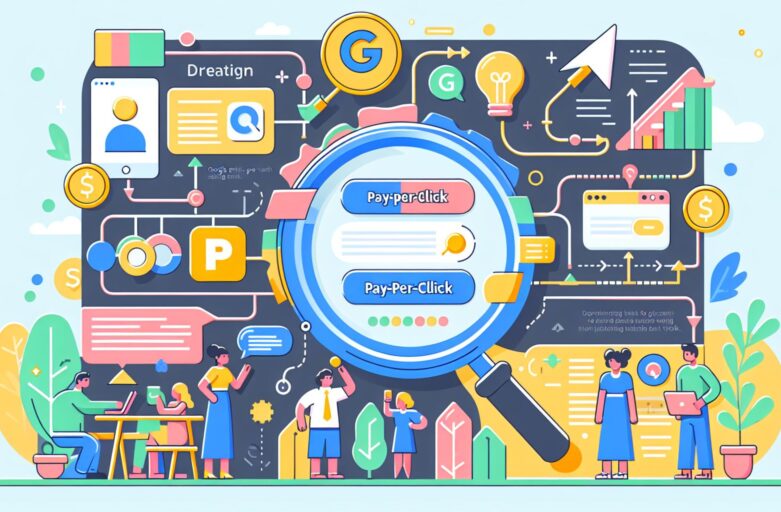
Demystifying Google Pay-Per-Click for Small Business Owners

Demystifying Google Pay-Per-Click for Small Business Owners

Being a small business owner in today’s digital world can feel like trying to navigate a vast, complex labyrinth. You’re constantly jostling for visibility amongst a sea of competitors, and turning to online marketing seems like a viable step. However, with various platforms and services available, knowing where to start is crucial. Google Pay-Per-Click (PPC) might just be the answer.

How Google PPC Works

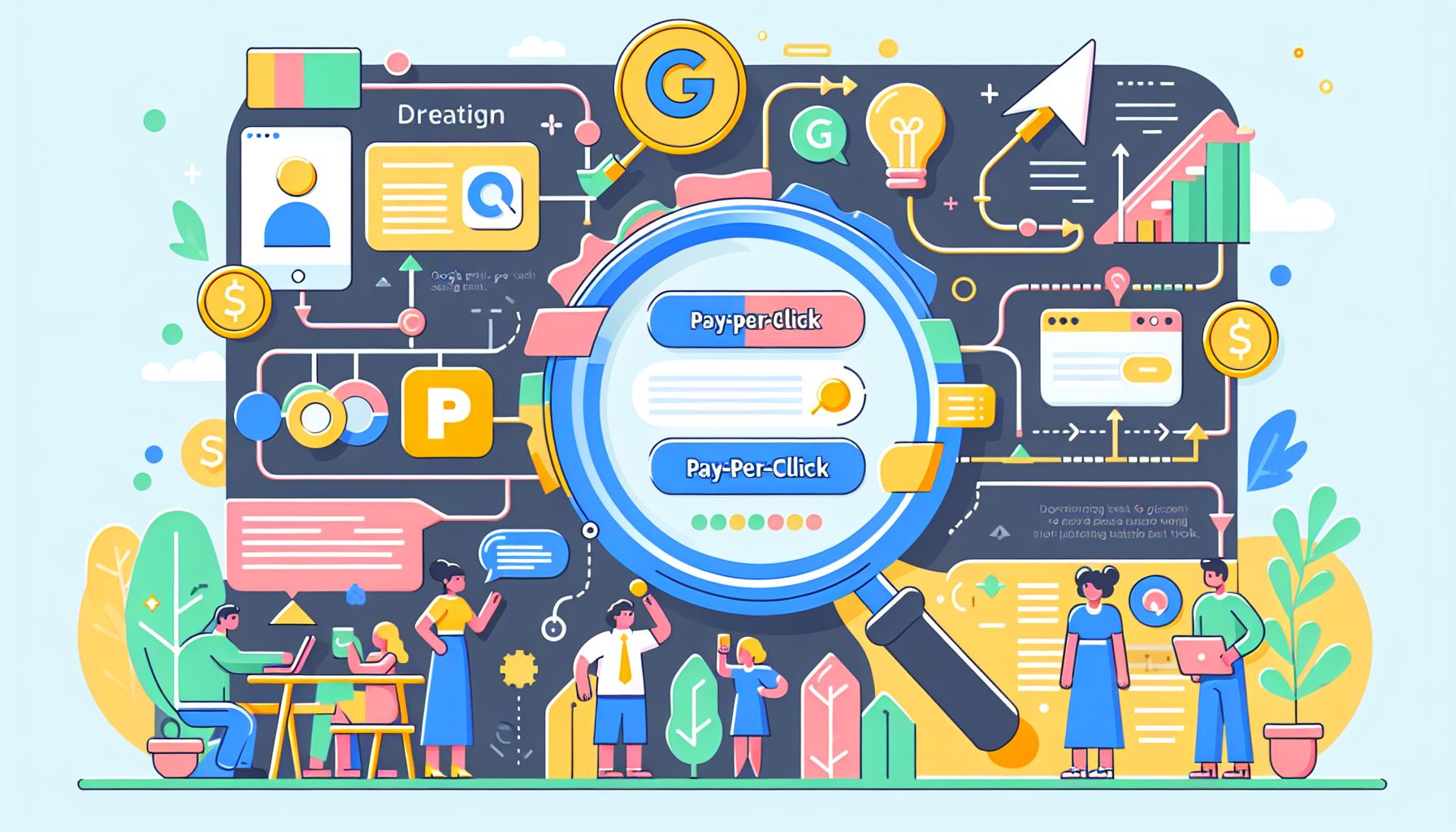
Google PPC is a model of digital marketing where advertisers pay a fee each time their ad is clicked. In simple terms, it’s a way of buying visits to your website, rather than trying to earn visits organically.

Each time a user enters a search query on Google, the search engine digs into the pool of advertisers and selects a set of winners to appear in the ad space on its search results page. These winners are determined based on various factors, including the quality and relevance of their keywords and ad campaigns, and the size of their keyword bids.

The Merits of Google PPC for Small Businesses

1. Level Playing Field

One of the primary benefits of Google PPC is that it levels the playing field for small businesses. Regardless of business size, anyone can set up an ad campaign, determine a budget, and start driving traffic to their site. You’re no longer competing just on resources but on relevancy and quality of your ad campaigns.

2. Budget Flexibility

With Google PPC, you have full control over your budget. You can start small and increase your investment as you start seeing results. The beauty lies in its pay-as-you-go model — you only pay when someone interacts with your ad.

3. Measurable Results

Another beauty of PPC advertising lies in its measurable nature. Google provides detailed analytics showing how your ads are performing, enabling you to understand what’s working and what isn’t. You can make data-driven decisions to optimize your campaigns and get better returns on your investment.

Getting Started with Google PPC

1. Identify Your Target Audience

The first step in any successful PPC campaign is to clearly define your target audience — knowing their demographics, interests, behavior, and needs.

2. Conduct Keyword Research

Your next step is to identify the search terms or “keywords” that your target audience uses when they’re looking for your type of products or services. You can use tools like Google’s Keyword Planner for this process.

3. Setup Your Ad Campaign

Now that you’ve identified your target audience and keywords, you can set up your ad campaign in the Google Ads platform. This process involves writing your ad copy, setting a budget, and determining your bid amount for each keyword you’re targeting.

4. Monitor and Optimize

After launching your PPC campaign, it’s crucial to continuously monitor and measure your results, and optimize your campaign based on these insights.

Looking Ahead

Whether you’re a new business owner seeking to enter the digital marketing space or an experienced marketer wanting to diversify your marketing strategies, Google PPC advertising is a tool you can’t afford to ignore. Utilizing its power can lead to increased visibility, more leads, and ultimately, higher conversions and sales.

Embrace the complexity, appreciate the flexibility, and harness the power of data with Google PPC. In doing so, you will unlock a new level of growth and success for your business. And remember, whether you’re on the first rung of the ladder or higher up, every step is a step towards achieving your business objectives.


The Art of Self-marketing: A Guide for Adults

The Art of Self-marketing: A Guide for Adults

Self-marketing is the art of selling your image, skills, knowledge, and experience professionally. Whether you’re an entrepreneur, freelancer, or just hunting for your dream job, your success hinges on how well you market yourself. This is especially important in our increasingly digital world, where first impressions are often formed online.

While advertising your skills and talents might feel uncomfortable, it’s essential to understand that everyone is constantly marketing themselves indirectly. Every action you make, every post you share, and every word you utter speaks volumes about you – especially in the professional space.

However, the good news is that you’re entirely in control of what others perceive about you. Therefore it’s critical to master how to market yourself correctly. Here’s a guide on how to do that with proper utilization of paid advertising and video sales letters.

Understand Your Value Proposition

Your value proposition is what uniquely sets you apart from the field. Understanding and articulating this gives you the ability to tell compelling stories about your past successes, skills, and potential. Ultimately, what problem can you solve? What skills or personalities do you bring to the table that makes you unique?

It would help if you painted an accurate picture of who you are, your abilities, and how you would ideally like to be seen professionally.

Use Paid Advertising

Once your value proposition is clear, you might want to venture into paid advertising to enhance your visibility. Platforms like LinkedIn, Facebook, Google AdWords, and Twitter offer advertising services that target specific user demographics. Here you can strategically place advertisements about your skills and services.

For instance, if you’re a software developer, you may want your ads to appear where tech companies or other potential employers can see them. The same applies to any business or freelancer seeking a particular market segment. Be sure to optimize your ads for mobile users as well, given the vast amount of web traffic from smartphones and tablets.

However, keep in mind that ads should be engaging, concise, and informative. While the primary aim is to sell yourself, it should not come out as overly promotional but as authentically as possible.

Harness the Power of Video Sales Letters

Video Sales Letters (VSLs) is another effective medium to market yourself. Videos are more engaging than plain text and tend to leave a lasting impression. They provide an avenue to showcase your personality, communication skills, and professionalism.

You can use VSLs to give a brief introduction of yourself, highlight your skills, share your accomplishments, or even demonstrate your expertise. The emotive aspect of video enables you to connect with viewers on a deeper level, increasing the chances of your message being well received and remembered.

For best results, ensure your VSLs are professionally made, have good audio, and are short—ideally between 2 to 5 minutes. Keep in mind to make it about the viewer; tell them what they stand to gain by hiring, contracting, or partnering with you.

Stay Consistent and Persistent

Effective self-marketing is a consistent and persistent effort. Gradually, as more and more people come into contact with the unique and professional ‘you,’ they’ll start associating you with your field. This isn’t a one-off thing; it’s a habit that has to be cultivated and maintained.

Paid advertising and the smart use of Video Sales Letters aren’t just for the big corporations. As an individual, they can be powerful self-marketing tools to amplify your brand, increase your online visibility, and ultimately land your dream job or clients. They might be what’s standing between you and your career dreams.

In conclusion, marketing yourself is about believing in your abilities and comprehending your professional worth. It’s about showcasing these valuable qualities to potential clients, employers, business partners, or even your audience. It’s necessary in today’s highly digital world to make use of these tools to market yourself strategically, leading to personal and professional growth. Remember, your greatest asset is you, so market yourself like you mean it.

#Mastering the Art of Online Marketing: Connect with Cold Audiences intuitively

#Mastering the Art of Online Marketing: Connect with Cold Audiences intuitively

As businesses increasingly recognize the significance of establishing a strong online presence, the digital landscape continually evolves. The challenge most businesses face today is efficacy in their marketing strategies, specifically, connecting to a cold audience. How do you introduce yourself to potential clients who are unfamiliar with your brand? Advertising your business to a cold audience —people who have never engaged with or heard of your product— requires a nuanced approach; it’s akin to pitching to a motel full of unfamiliar faces.

In this post, we explore the best ways to market your business online to a cold audience. We incorporate practical techniques intermingled with optimal SEO strategies. Designed for professionals aiming to capture new traffic, our focus is on creating an elegant, efficient marketing sequence through a compelling marketing narrative.

Start with Research

You must understand your audience before you can reach out effectively. Research your demographics thoroughly and create detailed personas for the audience segments you’re targeting. Google Analytics or similar tools can provide comprehensive data about your current visitors’ behavior, though you might also consider professional market research services. If you have a defined target demographic, tools like Quantcast Measure can offer valuable insights into your audience’s interest and behavior for free.

Create High-Quality Content

We live in an era ushering ‘Content is King’. Remember, the majority of your cold audience may not be ready to purchase at this stage. Instead, they are seeking answers, solutions, or entertainment. It’s your job to provide these through high-quality, compelling content. Focus on crafting blog posts and articles; they are not only affordable but also effective as there are approximately 4.4 billion blog readers worldwide.

The primary principle behind this approach is SEO, which optimizes your website to increase its visibility for relevant searches. The better visibility your pages have in search results, the more likely you are to garner attention and attract users. If your business blog is properly optimized for search engines, you could see an average increase in lead growth up to 126% compared with traditional marketing methods.

Paid Advertising

While organic traffic is impactful, one cannot undermine the relevance of paid advertising. If you have the budget, investing in paid methods like pay-per-click (PPC) advertising on Google Adwords, LinkedIn, Facebook, or Instagram can yield impressive results. With a well-calibrated PPC campaign, marketers can expect an average return on investment (ROI) of 200% – that’s $2 in income for every $1 spent!

Exploring E-mail Marketing

Once you’ve captivated your audience through content or paid advertising, it’s time to retain them. Email marketing provides a chance to deepen your relationship with potential customers at a marginal price point. You can either set up funnels, enabling your prospects to gain regular exposure to your brand or run email campaigns optimized at specific conversion points.

Build Trust With Social Proof

Add social proof in the form of testimonials, reviews, and ratings on your website or social media pages. They help to assure your cold audience of your business’s worth and credibility. Also, having a portfolio displaying your professional accomplishments can drive significant conversion at nominal costs.

Wrapping Up

The art of marketing your business to a cold audience is certainly not a walk in the park. However, by finely aligning your strategies with your audience’s inclinations, you can warm them up to becoming loyal customers over time. High-quality content, SEO optimization, and accurate advertising alongside a robust email marketing plan can help hijack their attention and present your brand as a trustworthy, parched oasis in the arid professional realm.

Understanding Google Pay Per Click for Business Owners

Understanding Google Pay Per Click for Business Owners

Business today operates in a digital realm where traditional marketing techniques barely scratch the surface of potential reach. A key component of this digital marketing world is Google Pay Per Click (PPC). Specifically designed to boost traffic, increase brand exposure, and lead to conversions, Google PPC can be a powerful tool in the hands of savvy business owners. In this post, we’ll explore how Google PPC works and its potential impact for businesses seeking growth.

What is Google Pay Per Click?

Google Pay Per Click is a model of internet marketing where advertisers pay a fee each time their advert is clicked. Google PPC advertisements are those you see at the top of Google’s search result listings marked ‘Ad.’ These advertisements are not organically ranked at the top of the search engine results (SERPs); instead, advertisers bid for ad placement in sponsored links whenever someone searches a keyword related to their business offering.

How does Google PPC work?

Google PPC platform is built around the paradigm of Ad Auction, an automated process that Google uses to determine the relevance and validity of advertisements that appear on SERPs. Advertisers have to select a list of keywords related to their business and prepare a bid – how much they are willing to pay Google Ads every time a searcher clicks on their ad.

For example, if you are an owner of a shoe store, you might opt for keywords such as “buy shoes,” “sports shoes,” “leather shoes,” etc. When a Google user types in these keywords, your ad might be one of the several that appear in the sponsored links of the search result page.

Why is Google PPC important for your business?

The digital landscape is extremely competitive, with thousands, if not millions, of businesses vying for the attention of consumers. Google PPC provides an effective way to cut through the noise and get your business noticed. A well-executed Google PPC campaign can yield a significant return on investment (ROI) by drawing high-quality leads to your website or online store.

Cost-Efficiency

One of the many benefits of Google PPC is its cost-efficiency. Businesses only pay when a user clicks their ads. This means that the money spent goes towards leads that have some degree of interest in your offering. This method is different from traditional forms of advertising where you spend a lot of buck with no guarantee that your ad will reach your intended audience.

Targeted Advertising

With Google PPC, you can define your target market based on several parameters such as demographics, location, and device, among others. This means you can laser-target your ads to people who are most likely to be interested in your products or services.

Measurable Results

Lastly, Google PPC provides you with measurable results. You can determine exactly how your ads are performing, the number of clicks, impressions, conversions, and the average cost per lead.

In conclusion, Google Pay Per Click is a digital marketing tool that allows businesses to reach potential customers more effectively and efficiently. By investing in a well-crafted Google PPC campaign, businesses can increase their online visibility, reach their target audience, and improve their bottom line. However, like any marketing strategy, it takes effort, skills, and patience to make the most out of Google PPC. Understanding your business niche, audience, and setting clear goals can greatly enhance the success of your campaigns.

Are Call Centers Still Effective for Local Businesses?

Are Call Centers Still Effective for Local Businesses?

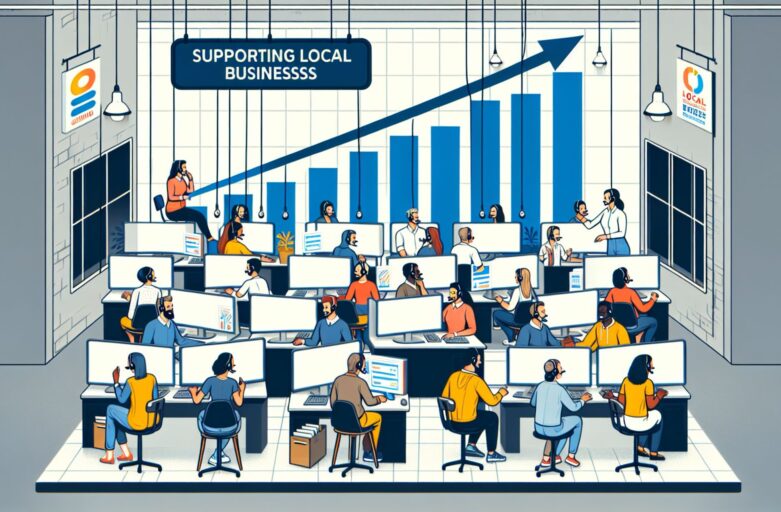
In today’s fast-paced digital world, businesses are constantly looking for new ways to reach their target audience and convert leads into customers. With the rise of online marketing strategies and social media platforms, many have started to question the effectiveness of traditional call centers for local businesses. However, despite the ever-changing landscape of marketing, call centers still remain a valuable tool for businesses looking to increase their sales and customer base.

One of the key advantages of using a call center for local businesses is the personal touch it provides. In a world where most customer interactions take place online, speaking directly to a potential customer over the phone can help establish trust and build a connection. This personal interaction can make a significant impact on a prospect’s decision-making process and increase the likelihood of a sale.

Additionally, call centers offer a level of flexibility that other marketing strategies may not provide. By having trained sales representatives making outbound calls, businesses can tailor their pitch to each individual customer, addressing their specific needs and concerns. This personalized approach can lead to higher conversion rates and a greater return on investment.

Furthermore, call centers can be a cost-effective way for local businesses to generate leads. When compared to other marketing tactics, such as digital advertising or direct mail campaigns, the cost per lead for a call center is typically lower. This means that businesses can reach a larger audience without breaking the bank, ultimately increasing their chances of turning leads into loyal customers.

Despite the rise of online marketing strategies, many consumers still prefer to communicate over the phone when making purchasing decisions. By utilizing a call center, local businesses can tap into this preference and provide a convenient and efficient way for customers to get the information they need. This can ultimately lead to higher sales and customer satisfaction, helping businesses stand out in a competitive market.

In conclusion, call centers are still an effective tool for local businesses looking to increase their sales and customer base. With the personal touch they provide, the flexibility to tailor pitches to individual customers, and the cost-effectiveness in generating leads, call centers can help businesses reach their sales goals and grow their customer relationships. So if you’re looking to take your local business to the next level, consider leveraging the power of a call center to drive your sales and boost your bottom line.

How to Grow a Following on Social Media for Small Business Owners

How to Grow a Following on Social Media for Small Business Owners

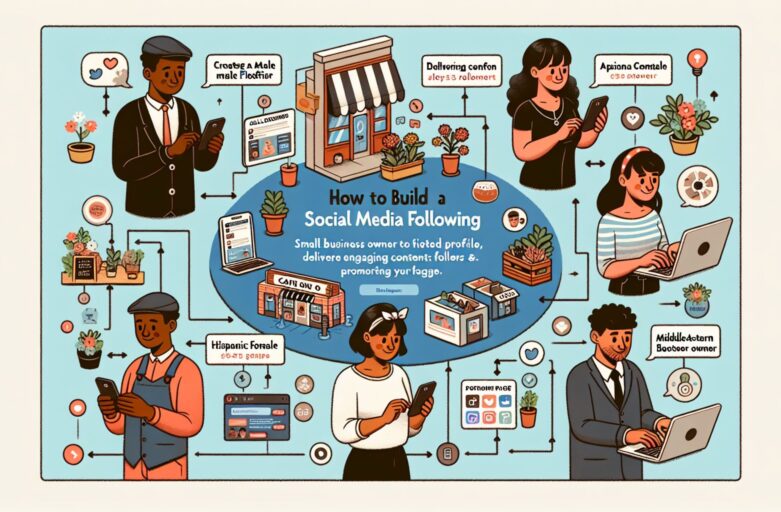
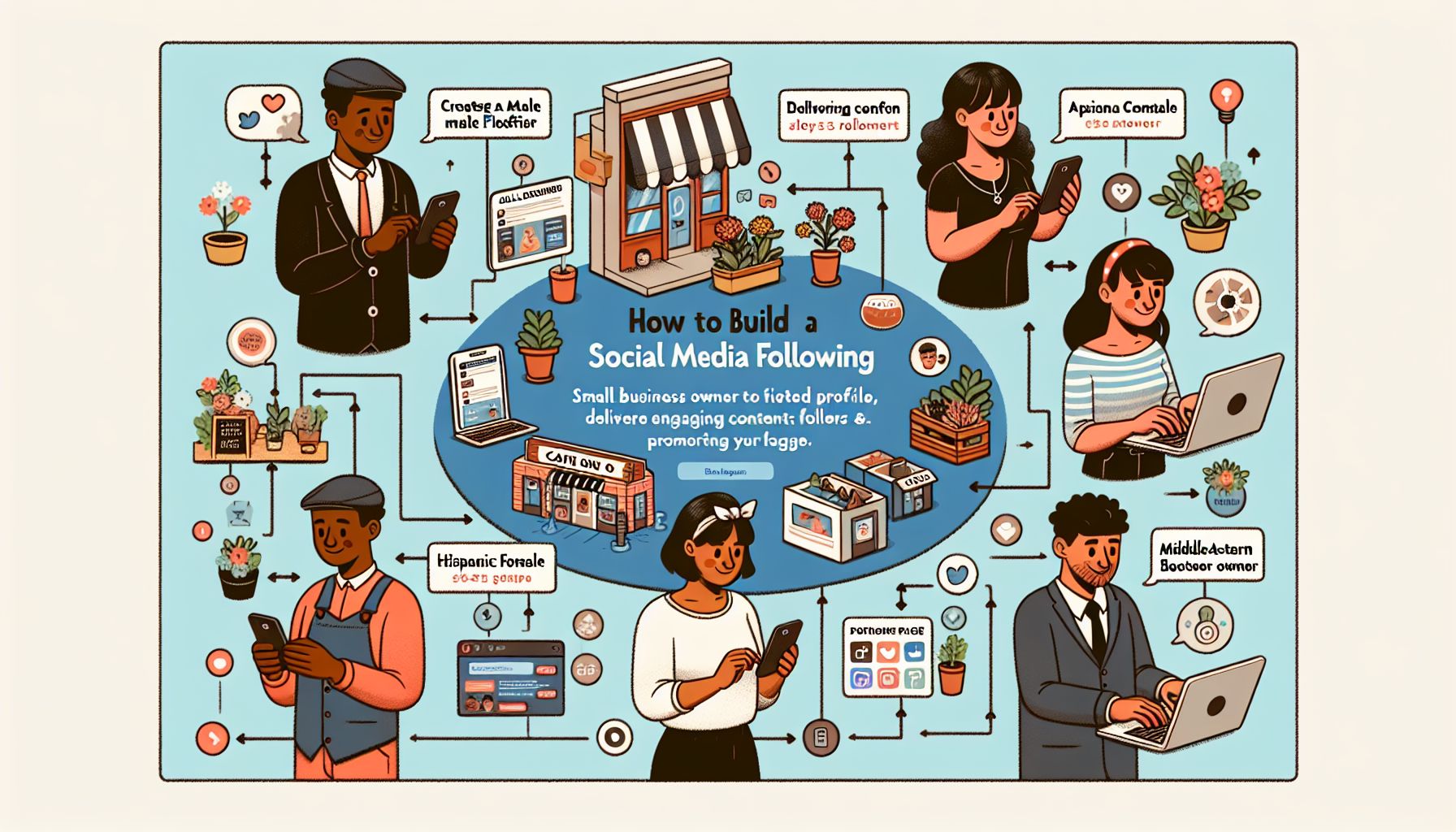
In today’s digital age, having a strong presence on social media is crucial for the success of small businesses. With millions of users scrolling through various platforms each day, there is a significant opportunity for businesses to reach and engage with their target audience. However, growing a following on social media can be a daunting task, especially for small business owners with limited resources.

Here are some tips to help small business owners effectively grow their following on social media:

1. Define Your Target Audience

Before you start creating content and engaging with users on social media, it’s essential to define your target audience. Who are your ideal customers? What are their interests, needs, and pain points? By understanding your target audience, you can tailor your content to resonate with them and attract their attention.

2. Create Engaging Content

One of the most effective ways to grow a following on social media is by creating engaging and valuable content. Whether it’s informative blog posts, entertaining videos, captivating images, or interactive polls, make sure your content adds value to your audience. By consistently sharing interesting and relevant content, you can attract new followers and keep existing ones engaged.

3. Be Consistent

Consistency is key when it comes to growing a following on social media. Make sure you post regularly and at the right times to maximize your reach and engagement. Create a content calendar to plan your posts in advance and maintain a consistent brand voice and aesthetic across all your social media platforms.

4. Engage with Your Audience

Building a loyal following on social media requires more than just posting content. It’s essential to actively engage with your audience by responding to comments, messages, and mentions. Show your followers that you value their feedback and input by starting conversations, asking questions, and sharing user-generated content.

5. Collaborate with Influencers

Partnering with influencers or industry experts can help you reach a larger audience and attract new followers. Identify influencers who align with your brand values and target audience, and collaborate with them on sponsored posts, giveaways, or co-created content. Influencer marketing can be a cost-effective way to grow your following and increase brand awareness.

6. Run Contests and Giveaways

Running contests and giveaways on social media is a great way to incentivize users to follow your account and engage with your content. Offer a valuable prize or exclusive discount in exchange for likes, shares, comments, or follows. Contests and giveaways can help you quickly grow your following and create buzz around your brand.

7. Analyze Your Performance

To optimize your social media strategy and grow your following effectively, it’s essential to track and analyze your performance. Use social media analytics tools to measure key metrics such as reach, engagement, and follower growth. Identify what’s working well and what areas need improvement, and adjust your strategy accordingly.

In conclusion, growing a following on social media for small business owners requires a strategic and consistent approach. By defining your target audience, creating engaging content, being consistent, engaging with your audience, collaborating with influencers, running contests and giveaways, and analyzing your performance, you can effectively grow your following and build a strong presence on social media. With dedication and persistence, small business owners can successfully leverage social media to reach and engage with their target audience and drive business growth.

Do Traditional Mailing Coatings Work for Small Business Owners?

Do Traditional Mailing Coatings Work for Small Business Owners?

In a world dominated by digital marketing, some small business owners may wonder if traditional mailing coatings still have a place in their marketing strategies. While the rise of email marketing and social media advertising has undoubtedly changed the game, traditional mailing coatings can still be a valuable tool for reaching customers in a tangible and personalized way.

One of the key advantages of traditional mailing coatings is their ability to stand out in a crowded digital landscape. With so many businesses vying for consumers’ attention online, it can be easy for your message to get lost in the noise. By sending a physical piece of mail with a unique coating, you can capture the recipient’s attention and make a lasting impression.

Additionally, traditional mailing coatings can help you target specific demographics more effectively than digital channels. While online advertising relies on algorithms to determine who sees your message, direct mail allows you to hand-pick your audience based on location, income, interests, and more. This targeted approach can lead to higher response rates and a better return on investment for your marketing dollars.

Another advantage of traditional mailing coatings is their ability to convey a sense of professionalism and credibility. In a world where anyone can create a website or social media account, receiving a well-designed piece of mail can help establish your business as reputable and trustworthy. A high-quality coating can enhance this perception even further, making your communication feel more luxurious and exclusive.

When considering the cost of traditional mailing coatings, it’s essential to weigh the potential benefits against the upfront investment. While digital marketing can often be more affordable in terms of printing and postage, the higher response rates and increased brand visibility associated with direct mail can make it a worthwhile expense for small businesses. Additionally, the tactile nature of a physical piece of mail can make it more memorable and engaging for recipients, leading to a higher likelihood of conversion.

In terms of price points, traditional mailing coatings can vary depending on the type of coating and the volume of pieces being mailed. For small businesses looking to dip their toes into direct mail, a simple gloss or matte finish can be a cost-effective option that still adds a touch of sophistication to your mailers. If you’re willing to invest a bit more, specialty coatings like soft touch or raised spot UV can create a truly luxurious feel that sets your mail apart from the competition.

In conclusion, traditional mailing coatings can still be a valuable tool for small business owners looking to stand out in a crowded marketplace. By leveraging the unique advantages of physical mail, such as increased visibility, targeted messaging, and a sense of professionalism, you can create a memorable and impactful marketing campaign that drives results. While the upfront costs of traditional mailing coatings may be higher than digital alternatives, the potential return on investment and brand-building benefits make them a worthwhile investment for businesses of all sizes.

How to Market Your Business Online to a Warm Audience

How to Market Your Business Online to a Warm Audience

In today’s digital age, having a strong online presence is essential for any business looking to reach a wider audience and increase sales. Whether you are a small start-up or a well-established company, marketing your business online to a warm audience can help you connect with potential customers who are already interested in what you have to offer. Here are some tips on how to effectively market your business online to a warm audience.

1. Know Your Audience

Before you start marketing your business online, it’s important to have a clear understanding of who your target audience is. What are their interests, needs, and preferences? By knowing your audience, you can create targeted marketing campaigns that will resonate with them and drive engagement. You can use tools like Google Analytics or social media insights to gather data about your audience and tailor your marketing strategies accordingly.

2. Create Quality Content

One of the most effective ways to market your business online to a warm audience is through content marketing. By creating high-quality, relevant content that provides value to your audience, you can position yourself as an authority in your industry and build trust with potential customers. Whether it’s blog posts, videos, infographics, or social media posts, make sure your content is informative, engaging, and shareable.

3. Engage with Your Audience

Engagement is key to building relationships with your audience and turning them into loyal customers. Respond to comments on your social media posts, participate in online discussions, and ask for feedback from your audience. By actively engaging with your audience, you can show them that you value their opinions and are committed to meeting their needs.

4. Use Email Marketing

Email marketing is a powerful tool for reaching out to your warm audience and promoting your products or services. Build an email list of interested customers and send them personalized messages with exclusive offers, discounts, and updates about your business. Make sure your emails are relevant, timely, and visually appealing to capture the attention of your audience.

5. Collaborate with Influencers

Influencer marketing has become increasingly popular in recent years as a way to reach a larger audience and increase brand awareness. Identify influencers in your industry who have a strong following and engage with your target audience. Collaborate with them on sponsored posts or partnerships to expose your business to a wider audience and gain credibility in the eyes of your customers.

6. Monitor Your Results

Finally, it’s important to track and analyze the results of your online marketing efforts to see what’s working and what can be improved. Use tools like Google Analytics, social media insights, and email marketing metrics to monitor your performance and make data-driven decisions. By continuously optimizing your strategies based on your results, you can ensure that your online marketing efforts are effective in reaching your warm audience.

In conclusion, marketing your business online to a warm audience requires a combination of creativity, strategy, and consistency. By knowing your audience, creating quality content, engaging with your audience, using email marketing, collaborating with influencers, and monitoring your results, you can effectively reach potential customers who are already interested in what you have to offer. Remember to stay authentic and customer-centric in your approach to build lasting relationships with your audience and drive business growth.

Are Call Centers Still Effective for Local Businesses?

Are Call Centers Still Effective for Local Businesses?

In the fast-paced world of business, it can be easy for local businesses to get lost in the shuffle. With the rise of digital marketing strategies and online customer service tools, some may question the relevance of traditional call centers for local businesses. However, call centers continue to be a valuable asset for businesses of all sizes, providing personalized customer service and helping to drive sales and customer retention.

One of the main benefits of call centers for local businesses is the ability to provide customers with personalized assistance. Unlike automated chatbots or impersonal online forms, call center agents can offer a human touch, helping customers feel valued and understood. This personalized service can help build trust and loyalty with customers, leading to repeat business and positive word-of-mouth referrals.

For startup businesses looking to make a name for themselves in a competitive market, call centers can be a cost-effective way to reach out to potential customers. By outsourcing their customer service needs to a call center, startups can focus on other aspects of their business while trained professionals handle customer inquiries and concerns. This can help startups save time and resources, allowing them to grow and expand their customer base more quickly.

In addition to providing personalized service, call centers can also help local businesses improve their overall customer satisfaction. By promptly addressing customer inquiries and resolving issues in a timely manner, call center agents can help businesses retain customers and prevent negative reviews or feedback. This focus on customer satisfaction can lead to increased customer loyalty and repeat business, ultimately driving sales and revenue for the business.

Another benefit of call centers for local businesses is the ability to track and analyze customer interactions. By monitoring calls and collecting data on customer preferences and behaviors, businesses can gain valuable insights into their target market. This data can help businesses tailor their products and services to better meet customer needs, leading to increased customer satisfaction and loyalty.

While digital marketing strategies and online customer service tools may be popular in today’s business landscape, call centers continue to be an effective and valuable resource for local businesses. By providing personalized service, improving customer satisfaction, and offering valuable insights into customer behavior, call centers can help local businesses stand out in a competitive market and drive sales and revenue. Whether you’re a startup looking to expand your customer base or an established business looking to improve customer retention, call centers can be a valuable asset for businesses of all sizes.

Building a Small Business: Tips for Local Businesses

Building a Small Business: Tips for Local Businesses

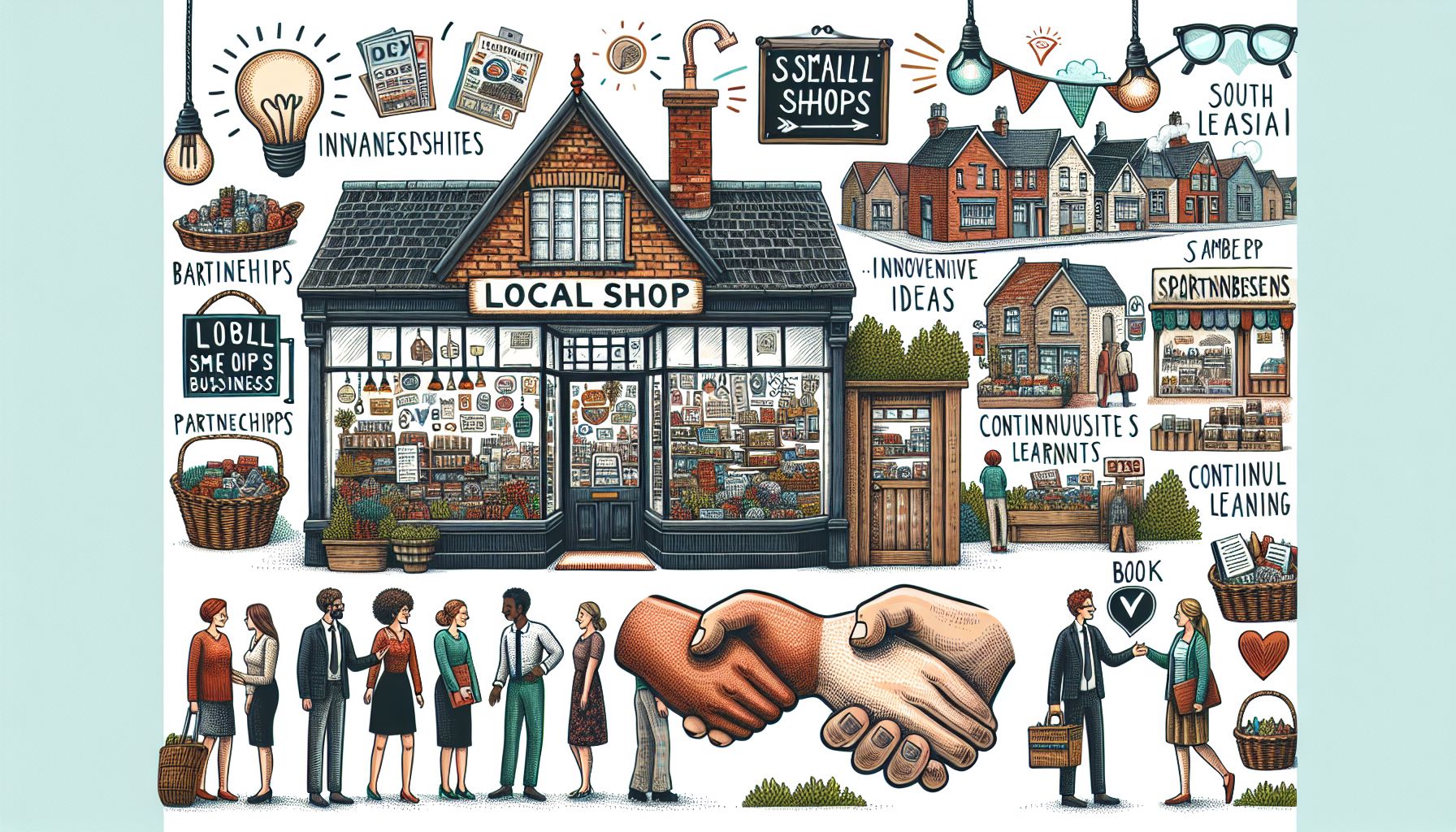
As a local business owner, you understand the challenges and rewards of building a thriving business in your community. Whether you’re just starting out or looking to grow your existing business, there are several key strategies you can implement to help your business succeed. In this post, we’ll explore some valuable tips for building a small business in your local area.

Utilize Local Marketing Strategies

One of the most effective ways to reach local customers is through targeted marketing strategies. This can include advertising in local publications, sponsoring community events, and utilizing social media platforms to engage with your target audience. By focusing on the local market, you can build relationships with customers in your community and create a loyal customer base.

In addition to traditional marketing methods, video marketing can be a powerful tool for local businesses. By creating engaging and informative videos that showcase your products or services, you can attract new customers and increase brand awareness. Consider creating how-to videos, product demonstrations, or customer testimonials to showcase your business in a creative and compelling way.

Provide Exceptional Customer Service

One of the key factors that sets local businesses apart from larger corporations is the level of personalized customer service they can provide. By going above and beyond to meet the needs of your customers, you can build trust and loyalty that will keep them coming back for more. Make sure to train your employees to provide excellent customer service and be responsive to customer feedback and inquiries.

Build a Strong Online Presence

In today’s digital age, having a strong online presence is crucial for the success of any business. Create a professional website that showcases your products or services and provides information about your business. You can also take advantage of online platforms such as Google My Business, Yelp, and social media to connect with customers and promote your business.

In addition to a website, consider using search engine optimization (SEO) techniques to improve your online visibility and drive traffic to your site. By optimizing your website for relevant keywords and creating valuable content, you can improve your search engine rankings and attract more visitors to your site.

Network with Other Local Businesses

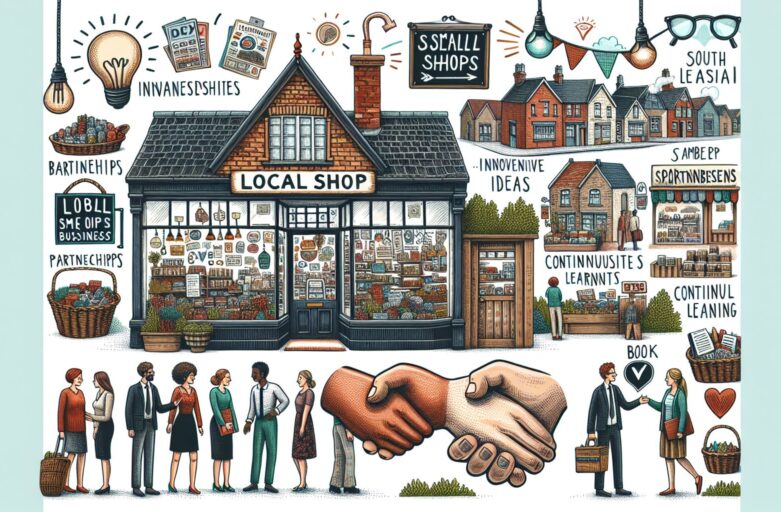
Building relationships with other local businesses can provide valuable opportunities for collaboration and growth. Consider joining local business associations or networking groups to connect with other entrepreneurs in your community. By partnering with complementary businesses or participating in joint marketing initiatives, you can expand your reach and attract new customers.

Conclusion

Building a small business in your local area requires dedication, creativity, and a strong focus on customer service. By utilizing targeted marketing strategies, providing exceptional customer service, building a strong online presence, and networking with other local businesses, you can set your business up for success. Remember to stay engaged with your community, listen to customer feedback, and be willing to adapt and evolve as your business grows. With the right approach, your small business can thrive and become an integral part of your local economy.