Marketing Ideas for Online Businesses: Reaching Your Warm Audience

Marketing Ideas for Online Businesses: Reaching Your Warm Audience

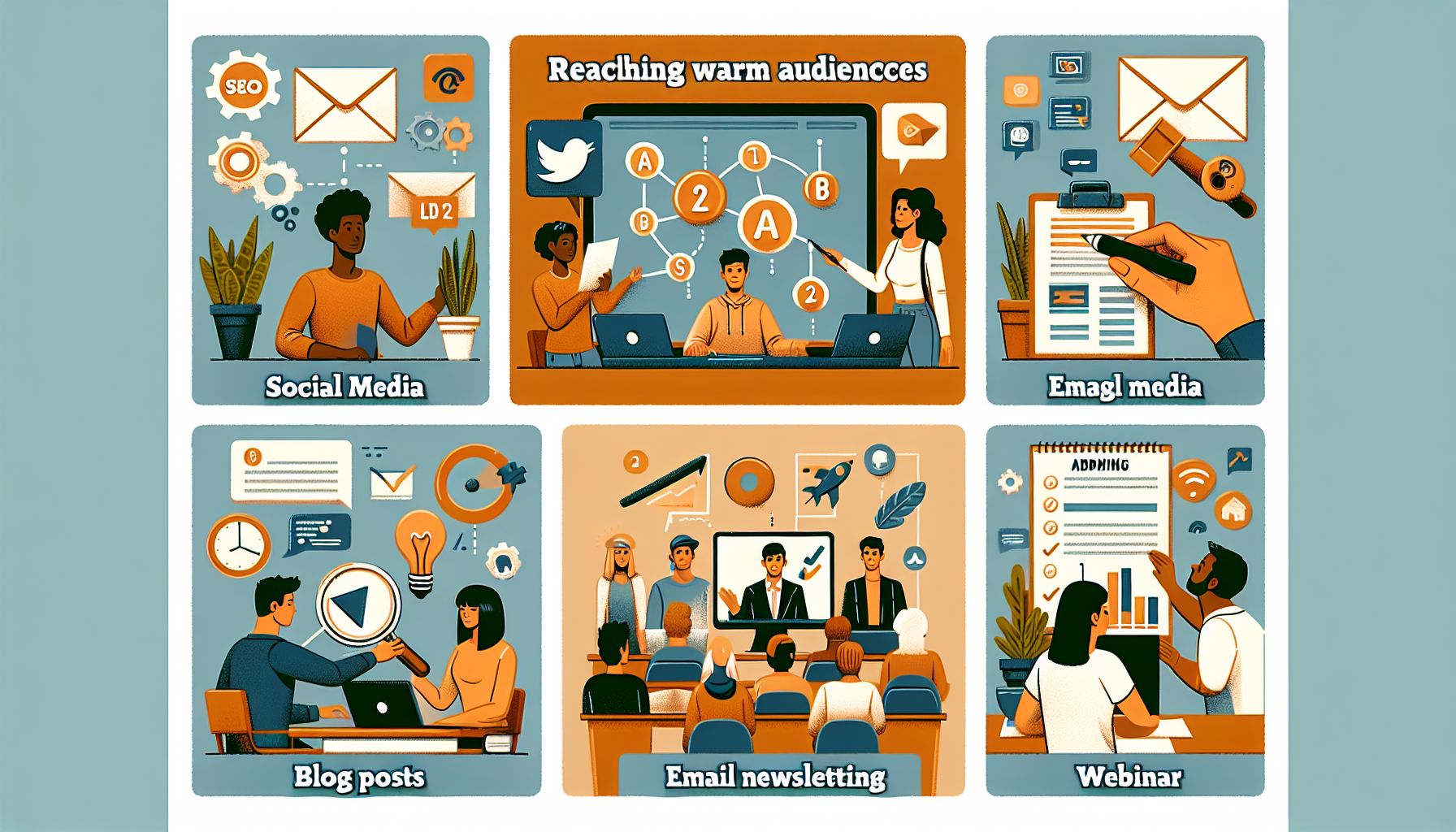
In the ever-evolving world of online business, it’s crucial to have a solid marketing strategy in place to effectively reach your warm audience. These are the people who have already shown interest in your products or services and are more likely to convert into loyal customers. Here are some marketing ideas to help you connect with your warm audience and drive sales for your online business.

Utilize Paid Advertising

Paid advertising is a powerful tool for reaching your warm audience and driving targeted traffic to your website. Platforms like Google Ads, Facebook Ads, and Instagram Ads allow you to create highly targeted campaigns that reach the people most likely to be interested in your products or services. By using audience segmentation and demographic targeting, you can ensure that your ads are seen by the right people at the right time.

One effective strategy is to retarget people who have visited your website but haven’t made a purchase. By serving them targeted ads based on their browsing history, you can remind them of your products and incentivize them to complete their purchase. This can help increase conversion rates and drive sales for your online business.

Implement Video Sales Letters

Video sales letters (VSLs) are a powerful way to engage your warm audience and communicate the value of your products or services. By creating compelling videos that highlight the benefits of your offerings and address common pain points, you can capture the attention of your audience and encourage them to take action.

When creating VSLs, it’s important to keep your messaging clear and concise, and to focus on showcasing the unique selling points of your products or services. Including customer testimonials, product demonstrations, and compelling visuals can help increase engagement and drive conversions. You can also include a strong call-to-action at the end of your video to encourage viewers to make a purchase or sign up for your services.

Leverage Email Marketing

Email marketing is a powerful tool for nurturing your warm audience and building relationships with your customers. By sending personalized and targeted email campaigns, you can keep your audience engaged and informed about your latest offerings, promotions, and updates. You can also use email marketing to segment your audience based on their preferences and behaviors, ensuring that they receive relevant content that resonates with their interests.

One effective email marketing strategy is to send targeted offers and promotions to your warm audience based on their previous interactions with your brand. For example, you can send personalized recommendations based on their browsing history or past purchases, or offer exclusive discounts to encourage them to make a purchase. By delivering valuable and relevant content to your audience, you can increase brand loyalty and drive repeat sales for your online business.

Conclusion

Reaching your warm audience is essential for the success of your online business. By utilizing paid advertising, implementing video sales letters, and leveraging email marketing, you can effectively connect with your audience and drive sales for your products or services. By creating targeted campaigns and delivering valuable content to your warm audience, you can build trust and loyalty with your customers and grow your online business.


How to Grow Your Following on Social Media

How to Grow Your Following on Social Media

In today’s digital age, having a strong presence on social media has become essential for businesses and professionals alike. Whether you’re looking to promote your brand, build a network of potential clients, or establish yourself as an industry expert, growing your following on social media can help you achieve these goals. In this blog post, we will explore some effective strategies to boost your social media following and maximize your online reach.

1. Define Your Target Audience

Before embarking on your social media growth journey, it is crucial to identify your target audience. Understanding who your ideal followers are will allow you to tailor your content to their interests and needs. Conduct thorough market research, analyze your existing customer base, and create buyer personas to gain a deep understanding of your intended audience. This data will serve as the foundation of your social media strategy.

2. Consistency is Key

In order to attract and retain followers, it is essential to establish a consistent posting schedule. Consistency not only keeps your audience engaged but also helps build trust and credibility. Develop a content calendar and plan your posts in advance. Utilize social media management tools that allow you to schedule your posts across multiple platforms. By maintaining a regular presence, you ensure that your audience never misses out on your valuable content.

3. Engage and Interact with Your Audience

Social media is not a one-way street. To foster organic growth, it is imperative to actively engage with your audience. Respond to comments, messages, and mentions promptly. Show appreciation for positive feedback and address any concerns or issues raised by your followers. By establishing a two-way communication channel, you build a loyal community around your brand and encourage others to join in the conversation.

4. Cross-Promote Your Social Media Channels

Don’t limit yourself to only one social media platform. Cross-promotion is a powerful technique to increase your following across different channels. If you have a substantial following on one platform, leverage it to gain traction on others. For example, include links to your social media profiles in your email signature and on your website. Mention your social media accounts in blog posts and encourage readers to connect with you on various platforms.

5. Collaborate with Influencers

Influencer marketing has become a go-to strategy for many businesses to expand their social media following. Identify influencers in your industry who align with your brand values and target audience. Collaborate with them to create engaging content, such as guest blog posts or live video sessions. This not only exposes you to a wider audience but also boosts your credibility by associating yourself with established influencers.

6. Offer Exclusive Incentives

People love being a part of exclusive communities and receiving unique benefits. Offer your social media followers incentives that reward their loyalty. This could be in the form of early access to new products, discounts, or exclusive content. Creating a sense of exclusivity will entice your followers to not only stay connected but also recommend your brand to others.

In conclusion, growing your following on social media requires a strategic approach and consistent effort. Define your target audience, engage with them regularly, and cross-promote your channels. Collaborate with influencers and provide exclusive incentives to foster organic growth. By implementing these strategies, you can expand your social media following and strengthen your online presence.

Remember, social media growth is a long-term commitment. Stay patient, monitor your progress, and continuously adapt your approach based on the insights you gather. Happy growing!

If you’re interested in leveraging the power of email marketing to grow your social media following, check out our affordable email marketing plans starting at just $19.99 per month. Visit our website at www.example.com to learn more!

#The Key to Success for Small Business Owners: Internet Marketing

#The Key to Success for Small Business Owners: Internet Marketing

In today’s digital age, it is essential for small business owners to adapt and embrace new marketing strategies in order to stay competitive. Internet marketing has emerged as a game-changer, revolutionizing the way businesses reach and engage with their target audience. This powerful tool allows businesses of all sizes to establish their online presence and boost their sales. In this blog post, we will explore how internet marketing works for small business owners and how it can help them achieve their goals.

The Power of Internet Marketing

Gone are the days when small businesses relied solely on traditional marketing methods such as print advertisements, flyers, and word-of-mouth. Internet marketing has opened up a world of opportunities, enabling businesses to extend their reach far beyond their physical location. By leveraging various digital channels, small business owners can connect with their potential customers and drive targeted traffic to their websites.

Building a Strong Online Presence

The first step in internet marketing is to establish a strong online presence. This includes creating a professional website that is visually appealing, user-friendly, and optimized for search engines. Additionally, small business owners should have a presence on social media platforms that align with their target market. Through these platforms, businesses can not only build brand awareness but also engage with their audience on a more personal level.

Driving Traffic to Your Website

Once you have a solid online presence, the next step is to drive traffic to your website. This can be achieved through various digital marketing tactics, such as search engine optimization (SEO), pay-per-click advertising (PPC), and content marketing. SEO ensures that your website ranks higher on search engine results pages, making it easier for potential customers to find you. PPC advertising allows you to display ads on search engines and other websites, targeting users who are actively searching for products or services similar to yours. Content marketing involves creating and sharing valuable, relevant, and consistent content to attract and retain your target audience.

Engaging and Converting Your Audience

While driving traffic to your website is crucial, it is equally important to engage and convert that traffic into paying customers. Internet marketing provides numerous opportunities to do so. Email marketing, for example, allows small business owners to nurture leads and build a loyal customer base. By sending personalized and relevant emails, you can keep your customers informed about new products, special offers, and company updates. Social media marketing enables direct communication with your audience, allowing you to build relationships and gain valuable feedback. Additionally, optimized landing pages and persuasive call-to-actions can increase your website’s conversion rate and ultimately drive sales.

Measuring and Optimizing Performance

One of the greatest advantages of internet marketing is the ability to track and measure your efforts. Various analytics tools provide valuable insights into your website’s performance, including the number of visitors, their demographics, and their behavior on your site. This data allows you to make informed decisions and optimize your marketing strategies accordingly. Whether it’s tweaking your SEO strategy, adjusting your PPC campaigns, or refining your content marketing approach, continuous analysis and refinements are essential to achieving optimal results.

In Conclusion

Internet marketing has undoubtedly transformed the way small businesses operate in today’s digital landscape. By building a strong online presence, driving targeted traffic to their website, engaging with their audience, and constantly measuring and optimizing their efforts, small business owners can level the playing field and compete successfully. Embrace the power of internet marketing, and unlock the doors to unlimited growth and success for your small business.

The Smart Way to Market Yourself as a Small Business Owner

The Smart Way to Market Yourself as a Small Business Owner

As a small business owner, marketing yourself effectively is crucial for the growth and success of your business. However, with so many marketing strategies and tools available, it can often be overwhelming to know where to begin. In this blog post, we will explore some smart and effective ways to market yourself as a small business owner.

Introduction: The Importance of Marketing Yourself

Marketing yourself as a small business owner is essential to attract customers and increase your brand awareness. It enables you to differentiate yourself from your competitors and establish yourself as an expert in your industry. By showcasing your unique value proposition and building strong relationships with your target audience, you can create a loyal customer base that drives sales and business growth.

1. Identify Your Target Audience

Before diving into any marketing activities, it is crucial to identify your target audience. By understanding who your ideal customers are, their interests, demographics, and pain points, you can tailor your marketing messages to resonate with them effectively. Conduct market research, create buyer personas, and use customer feedback to gain insights into your target audience.

2. Build an Engaging Online Presence

In today’s digital age, having a strong online presence is fundamental. Create a professional website that showcases your products or services, provides valuable content, and is easy to navigate. Optimize your website for search engines (SEO) to increase visibility.

In addition to your website, establish a presence on social media platforms where your target audience is active. Use platforms like Facebook, Instagram, or LinkedIn to share engaging content, interact with your audience, and build relationships. Consider using paid traffic to target a wider audience and drive them to your website or social media pages.

3. Content is King

Developing and sharing valuable content is an effective way to market yourself as an expert in your industry. Create blog posts, articles, videos, or podcasts that address your target audience’s pain points and provide practical solutions. By offering valuable insights, you can gain trust and establish yourself as a go-to source of information.

Promote your content through your website, social media channels, and through email marketing campaigns. Offer free resources, such as e-books or guides, to entice your audience and capture their contact information for further marketing efforts.

4. Network and Collaborate

As a small business owner, building connections and collaborating with like-minded individuals can significantly expand your reach. Attend industry conferences, join local business organizations or online communities, and participate actively in relevant discussions.

Collaborate with complementary businesses or influencers in your industry to cross-promote each other’s products or services. This allows you to tap into each other’s customer base and benefit from increased exposure.

Conclusion: Your Path to Effective Self-Marketing

Marketing yourself as a small business owner is a continuous process that requires careful planning and consistent efforts. By understanding your target audience, building a strong online presence, creating valuable content, and networking with industry peers, you can effectively market yourself and stand out from the competition.

Remember, marketing is an investment in your business’s growth. Allocating resources – both time and budget – for marketing activities will pay off in the long run. Stay adaptable and open to new approaches, continuously monitor your marketing efforts, and adjust your strategy as needed. With a strategic approach and a commitment to excellence, you can successfully market yourself as a small business owner and drive your business to new heights.

How Social Media Works for Businesses: A Guide for the Cold Audience

How Social Media Works for Businesses: A Guide for the Cold Audience

In today’s digital age, social media has become an integral part of our daily lives. It has revolutionized the way we communicate, connect, and consume information. But do you know that social media can also be a powerful tool for businesses? In this blog post, we will explore how social media works for businesses, specifically targeting a cold audience. So, let’s dive in and discover the potential of social media!

Introduction: Unleashing the Potential of Social Media

Social media platforms, such as Facebook, Instagram, Twitter, LinkedIn, and YouTube, attract billions of users worldwide. This vast audience presents an incredible opportunity for businesses to reach and engage with potential customers. However, to effectively tap into this potential, businesses must understand the inner workings of social media.

Body: Understanding Social Media’s Magic

  1. Establishing an Online Presence:

To connect with a cold audience, businesses should start by creating an appealing and informative online presence. Social media profiles should accurately represent the brand’s identity, offering a concise yet powerful brand message. Businesses should aim to create an authentic and relatable persona that resonates with their target audience.

  1. Building an Engaged Following:

A successful social media strategy requires followers who actively engage with the brand’s content. To attract a cold audience, businesses should develop a content marketing plan focused on their target demographic’s interests and pain points. By consistently providing valuable and shareable content, businesses can build a loyal following, expanding their reach and establishing credibility within their industry.

  1. Leveraging Content Marketing:

Content is king, and effective content marketing is crucial for captivating a cold audience. Engaging and shareable videos, images, blogs, and infographics can work wonders in attracting attention and driving organic traffic to a business’s social media profiles. By offering valuable and relevant content, businesses can position themselves as industry experts and gain the trust of their audience.

  1. Utilizing Paid Advertising:

While organic growth is vital, social media platforms also provide businesses with the opportunity to reach a wider cold audience through paid advertising. Platforms like Facebook Ads, Instagram Ads, and LinkedIn Ads enable businesses to target specific demographics, locations, interests, and behaviors. By segmenting the target audience, businesses can optimize their advertising budget and display tailored content to the right people at the right time.

  1. Engaging with the Audience:

Once a following is established, businesses must actively engage with their audience to maintain strong relationships. Responding to comments, messages, and reviews promptly demonstrates excellent customer service and fosters a sense of community. By initiating conversations, conducting polls, and soliciting feedback, businesses can gain valuable insights and build a loyal customer base.

  1. Measuring and Analyzing Results:

To ensure social media efforts are fruitful, businesses need to regularly measure and analyze their results. Tools like Google Analytics, Facebook Insights, and Twitter Analytics offer valuable data on engagement, reach, click-through rates, conversions, and more. By understanding which strategies are most effective, businesses can refine their approach, leading to continuous improvement and better overall performance.

Conclusion: The Power of Social Media Unleashed

Social media has transformed the way businesses connect with their audiences. By understanding the key principles behind this global phenomenon, businesses can unlock the immense potential of social media to reach and engage with a cold audience. Through online presence, engaging content marketing, paid advertising, audience interaction, and data analysis, businesses can harness the power of social media and propel their brand to new heights. Embrace the opportunity social media offers, and let it elevate your business to unprecedented levels of success!

Now that you have a better understanding of how social media works for businesses, it’s time to put your knowledge into action. Start by developing a strong social media strategy customized to your target audience, and watch your business flourish in the digital landscape!

Do Traditional Mailing Coatings Work for Local Businesses?

Do Traditional Mailing Coatings Work for Local Businesses?

In today’s modern age, where digital marketing dominates the scene, it’s easy to overlook traditional marketing methods such as direct mail. However, research has shown that traditional mailing coatings can still be effective, especially for local businesses. In this blog post, we will explore the benefits and potential drawbacks of using traditional mailing coatings as a marketing strategy for local businesses.

Introduction: The Power of Traditional Mailing Coatings

In an era where digital ads bombard consumers on a daily basis, direct mail marketing can provide a breath of fresh air for local businesses. Traditional mailing coatings, when done right, can help businesses stand out from the competition and reach their target audience effectively.

The Benefits of Traditional Mailing Coatings for Local Businesses

1. Tangible and Personal

Unlike digital marketing, traditional mailing coatings provide a tangible experience for recipients. The physical nature of direct mail allows recipients to hold the message in their hands, making it more memorable. Personalizing direct mail through variable printing techniques allows businesses to create a deeper connection with their target audience.

2. Targeted Reach

With direct mail, local businesses have the advantage of reaching their target market with precision. By using address lists and demographics, businesses can ensure that their mailings are going to households or businesses that are most likely to be interested in their products or services.

3. Less Competition in the Mailbox

While email inboxes are often flooded with promotional messages, physical mailboxes are less crowded. This offers local businesses an opportunity to stand out and capture the recipient’s attention. With fewer competitors in the mailbox, the chances of your message being seen and remembered increase significantly.

4. Increased Response Rates

Research has consistently shown that direct mail can generate higher response rates compared to digital marketing. Whether it’s a coupon, a special offer, or a personalized invitation, traditional mailing coatings have the potential to drive recipients to take action. Increased response rates mean more leads, sales, and ultimately, a positive impact on the bottom line for local businesses.

The Drawbacks and Overcoming Them

While traditional mailing coatings have their benefits, it is essential to be aware of their potential drawbacks and take measures to overcome them.

1. Cost

One of the main concerns with direct mail is the cost associated with printing, postage, and mailing. However, local businesses can leverage paid advertising platforms to offset these expenses. By combining traditional marketing with digital advertising, businesses can create a cohesive and cost-effective marketing campaign.

2. Measurement and Tracking

Unlike digital marketing campaigns, tracking the effectiveness and ROI of direct mail can be challenging. But with today’s technology, businesses can use unique promo codes or landing pages to track response rates and conversions. Implementing video marketing within the direct mail campaign can also help drive recipients to specific online tracking platforms.

In Conclusion: The Power of Traditional Mailing Coatings

In a world where digital marketing dominates, it’s easy to disregard traditional methods like direct mail. However, for local businesses, traditional mailing coatings can be a powerful tool to connect with their target audience effectively. Tangible, targeted, and with the potential for increased response rates, direct mail can provide a unique advantage over digital-only marketing strategies.

While there are drawbacks to consider, such as cost and tracking, local businesses can overcome these obstacles by combining traditional marketing efforts with digital platforms. By leveraging paid advertising and integrating video marketing, local businesses can ensure their direct mail campaigns have a measurable impact.

So, if you’re a local business looking for ways to stand out from the competition and make a memorable impression, don’t overlook the potential of traditional mailing coatings. Embrace the power of direct mail and watch your business thrive in the offline world while complementing your digital marketing efforts.

How Email Marketing Works: A Powerful Tool for Business Growth

How Email Marketing Works: A Powerful Tool for Business Growth

In today’s digital age, email marketing has emerged as a highly effective strategy for businesses to connect with their customers, build brand loyalty, and drive sales. It offers a direct and personalized channel of communication, allowing businesses to deliver targeted messages at scale. In this blog post, we will delve into the intricacies of how email marketing works and why it has become an indispensable tool for businesses worldwide.

Introduction to Email Marketing

Email marketing involves sending commercial messages to a group of people via email. These messages can vary from promotional offers, newsletters, or even personalized recommendations based on a customer’s previous interactions. What sets email marketing apart from other marketing channels is its cost-effectiveness and ability to reach a wide audience instantaneously. Additionally, it allows for precise targeting, thereby increasing the chances of conversions.

Building an Email List

Before embarking on an email marketing campaign, businesses must first build a list of subscribers who have shown an interest in their products or services. There are several methods to acquire email addresses, including opt-in forms on websites, social media advertising, or partnerships with complementary businesses. Offering incentives such as exclusive discounts or valuable content can be effective in enticing customers to share their email addresses willingly.

Creating Engaging Email Content

The key to successful email marketing lies in crafting engaging and compelling content that captures the attention of recipients. Start by considering the target audience and their preferences. Tailor the messaging and tone to align with the brand’s values and the customers’ needs. Personalization is crucial, whether it is addressing recipients by their names or suggesting products based on their purchase history. A captivating subject line is pivotal in enticing recipients to open the email amongst the clutter of their inbox.

Delivering Emails Effectively

To ensure that emails reach recipients’ inboxes successfully, businesses need to pay attention to email deliverability. Choosing a reputable email service provider (ESP) is crucial in ensuring high deliverability rates. ESPs help manage email lists, ensure compliance with anti-spam regulations, and provide powerful analytics to track the effectiveness of campaigns. Optimizing email deliverability involves careful list maintenance, regularly removing inactive subscribers, and providing an easy opt-out option to comply with regulations.

Analyzing and Iterating

One of the greatest advantages of email marketing is the ability to measure and analyze campaign performance. By tracking metrics such as open rates, click-through rates, and conversion rates, businesses gain valuable insights into recipients’ behavior and preferences. This data allows for continuous optimization of email content, subject lines, and targeting strategies. Over time, by A/B testing different elements of emails and analyzing the results, businesses can refine their campaigns and achieve better results.

Conclusion: A Powerful Tool for Business Growth

Email marketing continues to be a vital tool for businesses looking to grow their customer base, drive sales, and build lasting relationships with their audience. By leveraging the advantages of cost-effectiveness, precise targeting, and direct communication, businesses can create personalized and impactful messages that resonate with their customers. Remember, email marketing is not a one-time effort; it requires ongoing analysis, optimization, and adaptation to stay relevant and influential in a rapidly evolving digital landscape.

In conclusion, incorporating email marketing into your business strategy can yield impressive results. From small startups to multinational corporations, businesses across industries have embraced this powerful tool. By building an engaged subscriber list, creating engaging content, ensuring effective delivery, and analyzing campaign performance, businesses can leverage email marketing to forge lasting connections with their customers and unlock growth opportunities. Begin your journey today and witness the transformative power of email marketing for your business.

Direct Marketing for Local Businesses: A Game-Changer for Success

Direct Marketing for Local Businesses: A Game-Changer for Success

In today’s highly competitive marketplace, local businesses are constantly seeking effective ways to reach their target audience while maximizing their return on investment. Direct marketing is a powerful tool that has stood the test of time, providing businesses with a direct line of communication with potential customers. This article will shed light on what direct marketing entails and how it can benefit local businesses.

What is Direct Marketing?

Direct marketing involves reaching out to potential customers directly, either through mail, email, social media, or even telemarketing. Unlike mass marketing, which aims to reach a broad audience, direct marketing focuses on identifying and targeting specific individuals who are most likely to be interested in a product or service. By tailoring messages to suit these individuals’ needs and preferences, businesses can establish a one-on-one connection, greatly increasing the chances of conversion.

Types of Direct Marketing

  1. Direct Mail: Sending promotional materials, such as brochures or flyers, via mail, is a classic form of direct marketing. Physical mail can have a personal touch, especially when personalized with the recipient’s name. The recipient can hold the material in their hands, making it easier to capture their attention and leave a lasting impression.
  2. Email Marketing: By collecting their customers’ email addresses, local businesses can send targeted promotional emails to individuals who have expressed interest in their products or services. Email marketing campaigns can be automated, ensuring consistency and relevancy while saving time and effort.
  3. Social Media: Leveraging platforms like Facebook, Instagram, and Twitter, local businesses can directly engage potential customers by sharing relevant content, running competitions, or offering exclusive promotions. Social media creates an opportunity for businesses to build brand loyalty and interact with their audience, resulting in increased visibility and conversions.
  4. Telemarketing: While it may have received a bad reputation in the past, telemarketing, when done right, can be an effective means of direct marketing. Outbound calls allow businesses to have live conversations, addressing potential customers’ concerns, and providing personalized solutions.

Benefits of Direct Marketing for Local Businesses

  1. Cost-Effectiveness: Direct marketing enables businesses to reach a specific audience without wasting resources on individuals who are unlikely to be interested in their offerings. By implementing targeted strategies, businesses can optimize their marketing budget, achieving higher returns on investment.
  2. Enhanced Customer Relationship: Direct marketing fosters a sense of personal connection and engagement with potential customers. By tailoring messages to their needs, businesses can establish trust, loyalty, and long-term relationships. This personal touch also allows for immediate feedback, enabling businesses to continuously improve their offerings.
  3. Measurability: Direct marketing campaigns are highly measurable. Businesses can track response rates, conversion rates, and other key performance indicators to evaluate the success of their campaigns accurately. By analyzing these metrics, businesses can refine their strategies and further enhance their marketing efforts.
  4. Flexibility: Direct marketing offers flexibility in terms of strategy, timing, and customization. Businesses can experiment with different approaches and adapt their campaigns based on market trends, customer feedback, and changing business objectives. This dynamic nature helps local businesses stay relevant and competitive in their respective markets.

Conclusion

Direct marketing provides local businesses with a targeted, cost-effective, and flexible way to reach their potential customers directly. By leveraging various channels, such as direct mail, email marketing, social media, and even telemarketing, businesses can foster a personal connection and drive conversions. In an increasingly digital world, direct marketing remains a game-changer for local businesses, empowering them to thrive and succeed. So, whether you’re a small retailer, a restaurant, or a service provider, direct marketing could be the missing piece in your marketing strategy puzzle.

How Influencers Make Money on Social Media

How Influencers Make Money on Social Media

In this digital age, social media has become an integral part of our lives. From sharing our thoughts and experiences to connecting with friends and family, it has transformed the way we interact with the world. However, social media platforms are not just a means of communication; they have also become a lucrative source of income for many influencers. In this blog post, we will explore how influencers make money on social media and the various strategies they employ to monetize their online presence.

Introduction

Gone are the days when being an influencer was considered a mere hobby. Today, influencers have become brand ambassadors, trendsetters, and even entrepreneurs. They have amassed a considerable following on platforms like Instagram, YouTube, TikTok, and Snapchat, which serves as a foundation for their revenue-generating strategies.

Body

Sponsored Content

One of the primary ways influencers earn money is through sponsored content. Once an influencer gains a significant following, brands approach them to promote their products or services on their social media platforms. Influencers create engaging content like posts, videos, or stories highlighting the brand’s offerings, leading their followers to consider purchasing or trying out the products. In return, influencers receive a fee or are provided with free products or services. This mutually beneficial partnership allows brands to reach their target audience through a trusted source while providing influencers with financial compensation.

Affiliate Marketing

Affiliate marketing is another popular method utilized by influencers to monetize their social media presence. By sharing personalized discount codes or referral links to products or services, influencers earn a commission for each sale they drive. This approach leverages the influencer’s credibility and influence to encourage their followers to make a purchase. Affiliate marketing not only generates income but also enables influencers to recommend products they genuinely enjoy and believe in, maintaining the trust and loyalty of their audience.

Brand Collaborations

As influencers establish themselves in their respective niches, brands often seek long-term collaborations with them. These collaborations go beyond the typical sponsored content and involve the influencer becoming a brand ambassador, attending events, or participating in brand campaigns. These partnerships provide influencers with a stable source of income and often include incentives such as exclusive product launches, access to brand events, or even the creation of customized products in collaboration with the brand.

Content Creation

In addition to collaborations and sponsored content, influencer-generated content itself can be monetized. Influencers can leverage their skills in photography, videography, writing, or any other creative domain to offer their services to brands or individuals. They can create captivating content for brand campaigns, product launches, or even become freelance content creators. This enables influencers to earn money by doing what they love while showcasing their talent to a wider audience.

Merchandise and Product Sales

Influencers also capitalize on their popularity by launching their own merchandise or product lines. They design products that align with their personal brand and resonate with their followers. From clothing and accessories to digital products and courses, influencers monetize their influence by selling directly to their audience. This not only generates revenue but also strengthens their relationship with their followers, who appreciate the opportunity to support their favorite influencers in a tangible way.

Conclusion

The rise of social media has transformed the way influencers earn money. By leveraging their online presence, influencers can collaborate with brands, engage in affiliate marketing, create their own content, or launch merchandise lines. These diverse strategies showcase the entrepreneurial spirit of influencers, allowing them to turn their passion into a profitable career. As social media continues to evolve, influencers will undoubtedly find new avenues to monetize their online presence and create innovative ways to connect with their followers while generating income.

#Are Call Centers Still Effective for Business Owners?

#Are Call Centers Still Effective for Business Owners?

In today’s fast-paced digital world, it’s easy to overlook the role of call centers in driving business growth. In an era dominated by websites, chatbots, and social media, you might wonder if call centers are still effective for business owners. The truth is, call centers remain an invaluable tool that can elevate your business to new heights. Let’s delve deeper into why call centers should be an integral part of your business strategy.

Increase Customer Satisfaction and Loyalty

Customers appreciate the personal touch that call centers provide. Nothing beats speaking to a real person who can offer immediate assistance and address concerns. Call centers are tailor-made to provide exceptional customer service, going above and beyond to leave a lasting impression. By offering timely support and resolving issues, call centers nurture customer satisfaction, which in turn fosters loyalty. A satisfied customer is more likely to become a loyal customer – and even spread the word about your business, amplifying your brand’s reputation.

Enhance Sales and Revenue Generation

Call centers not only excel at offering support but also are incredibly effective in driving sales and generating revenue. Trained call center representatives can act as skilled salespersons, articulating the benefits of your products or services and persuading potential customers to make a purchase. They can convey discounts, promotions, or exclusive offers, which often prompt undecided customers to take the leap. With proper training and an engaging script, call centers can become an unstoppable force for boosting your sales figures and revenue.

Optimize Market Research and Customer Insights

One of the most valuable assets for businesses, regardless of their size, is market research and customer insights. Call centers have a unique advantage in gathering such data. During customer interactions, call center representatives can collect feedback, preferences, and opinions that help shape your business decisions. By leveraging this valuable information, you can adapt your products, services, and marketing strategies to better meet your customers’ needs. Call centers act as a direct line to your target market, allowing you to stay ahead of the curve and surpass your competitors.

Expand Reach and Global Presence

For businesses aiming to expand their reach on a global scale, call centers prove to be essential instruments. With well-equipped call centers, you can engage seamlessly with customers from different time zones and cultural backgrounds. By providing linguistically and culturally proficient representatives, you can bridge the gap between your business and customers located miles away. This international presence helps your brand gain credibility, reliability, and trust – vital aspects in today’s interconnected world.

Conclusion

As a business owner, it’s vital to embrace every opportunity that guarantees growth and success. Call centers are a tried and true method that has consistently proven their effectiveness over the years. By leveraging call centers, you can enhance customer satisfaction, increase sales and revenue, collect valuable market research, and expand your business across borders. Embrace the power of call centers and watch your business thrive in the global marketplace!

Remember, implementing a call center requires an initial investment and continuous management. However, the returns on investment can be substantial. Whether it’s paid traffic, customer retention, or market growth, call centers offer a golden opportunity for business owners willing to make that extra effort.